Philia
Magazine
UNFORMED DESIGN
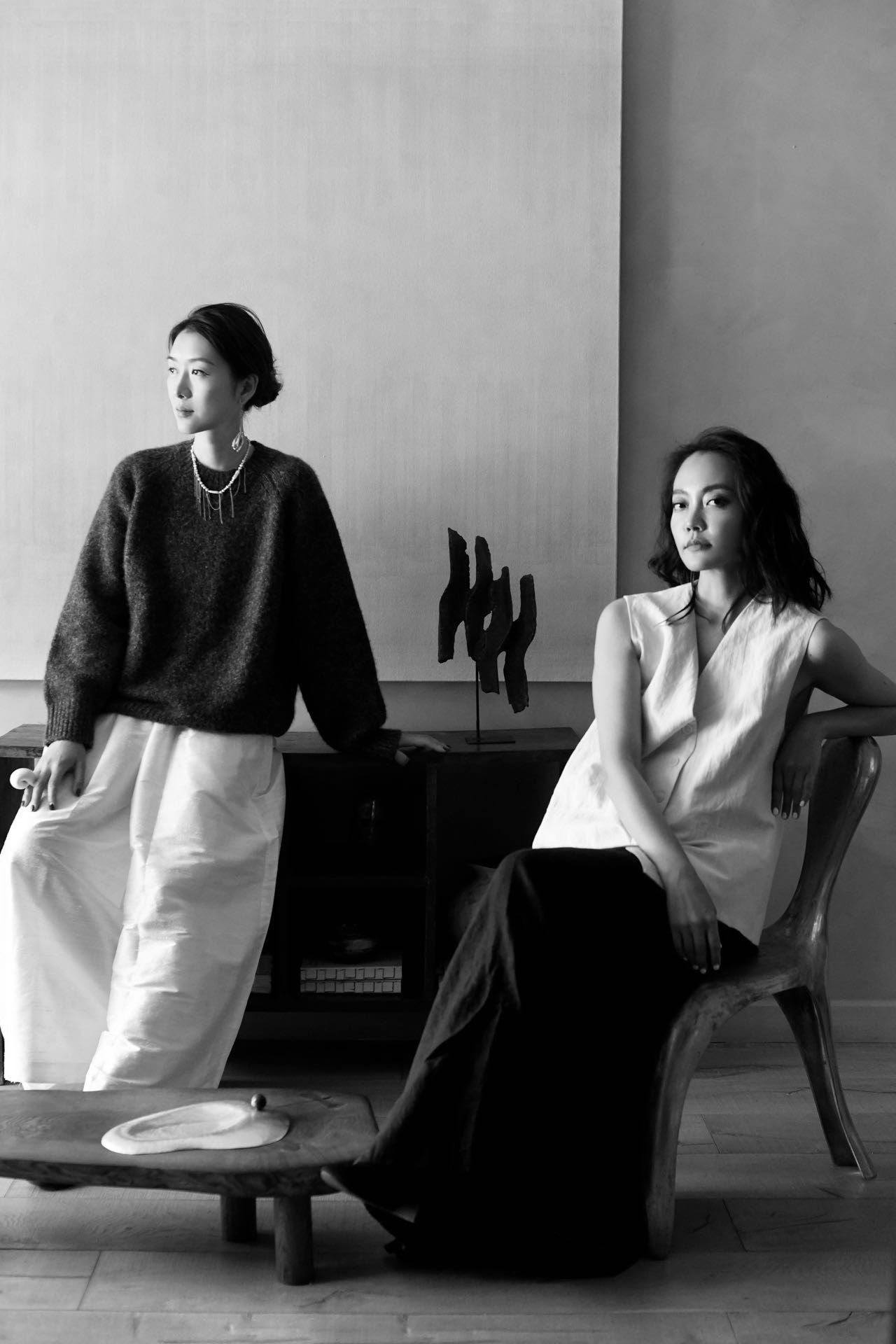
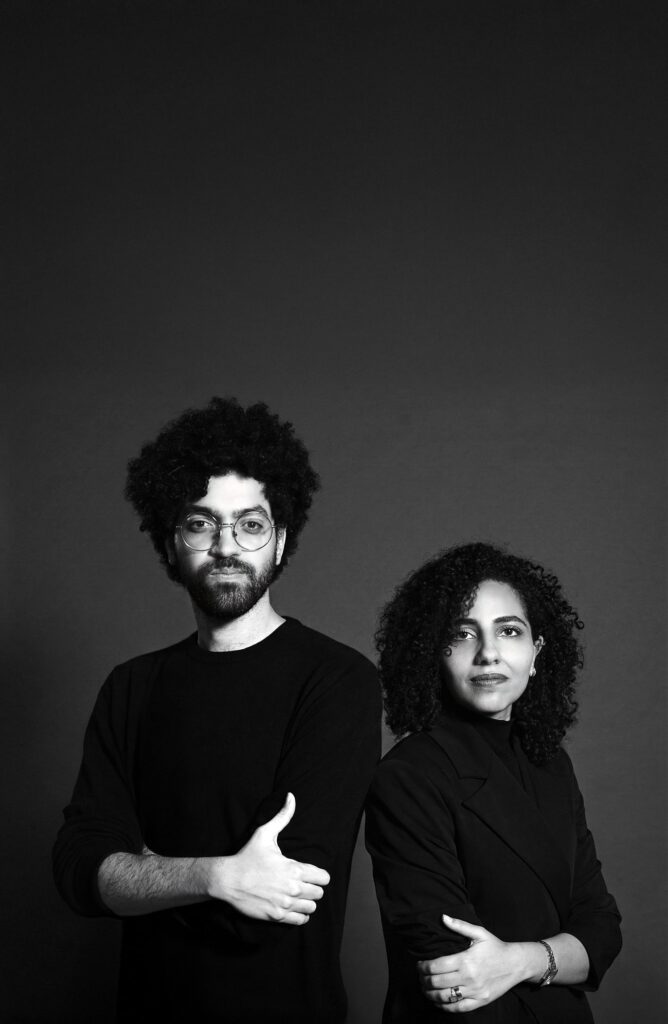
UNFORMED DESIGN is a transdisciplinary architecture practice founded by Hassan Elgendy and Nahed Zmeter, operating between Milan and Cairo. Working across architecture, landscape, interiors, and urban design, the studio explores design as a medium for storytelling, spatial experience, and dialogue with place. Drawing on experience across Europe, Asia, and the Middle East, its practice is shaped by a deep sensitivity to context, culture, and human perception, approaching each project as a response to its unique social, environmental, and historical conditions.
Working across multiple scales, from intimate interiors and installations to cultural, civic, and urban projects, UNFORMED DESIGN balances conceptual thinking with material exploration and craftsmanship. The studio has received international recognition through numerous award-winning competition entries, with projects spanning Europe, Asia, North America, and the Middle East. Rooted in a multidisciplinary approach, the practice continues to investigate how architecture can foster meaningful experiences while creating spaces that are both emotionally resonant and firmly grounded in their surroundings.
Herma de Wit
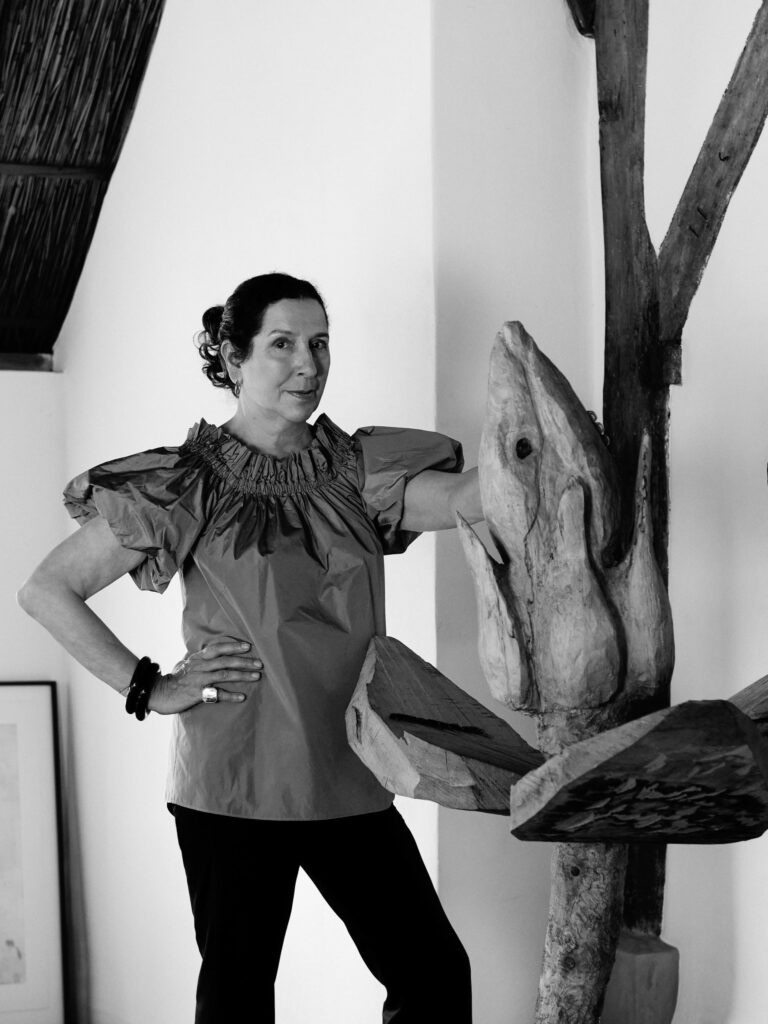
Herma de Wit is a Dutch artist based in Amsterdam, where she works between her city studio and a countryside retreat. Before dedicating herself fully to art in 1996, she built a career in fashion and founded her own label, HERMA DE WIT. Drawing on this technical background, her practice ranges from intimate works on paper to monumental sculptural installations, united by a deep sensitivity to material and form.
Nature lies at the heart of De Wit’s work. Through delicate prints of collected leaves, flowers, and branches, she explores the quiet poetry and spiritual resonance of the natural world. Her sculptures, often shaped from clay and earth, pay homage to the elemental origins of life and the enduring connection between humanity and the environment. Rooted in themes of growth, memory, and belonging, her work reflects a profound reverence for the forces that sustain and connect us.

Lupo Horiōkami 5 Picks From Philia Collection
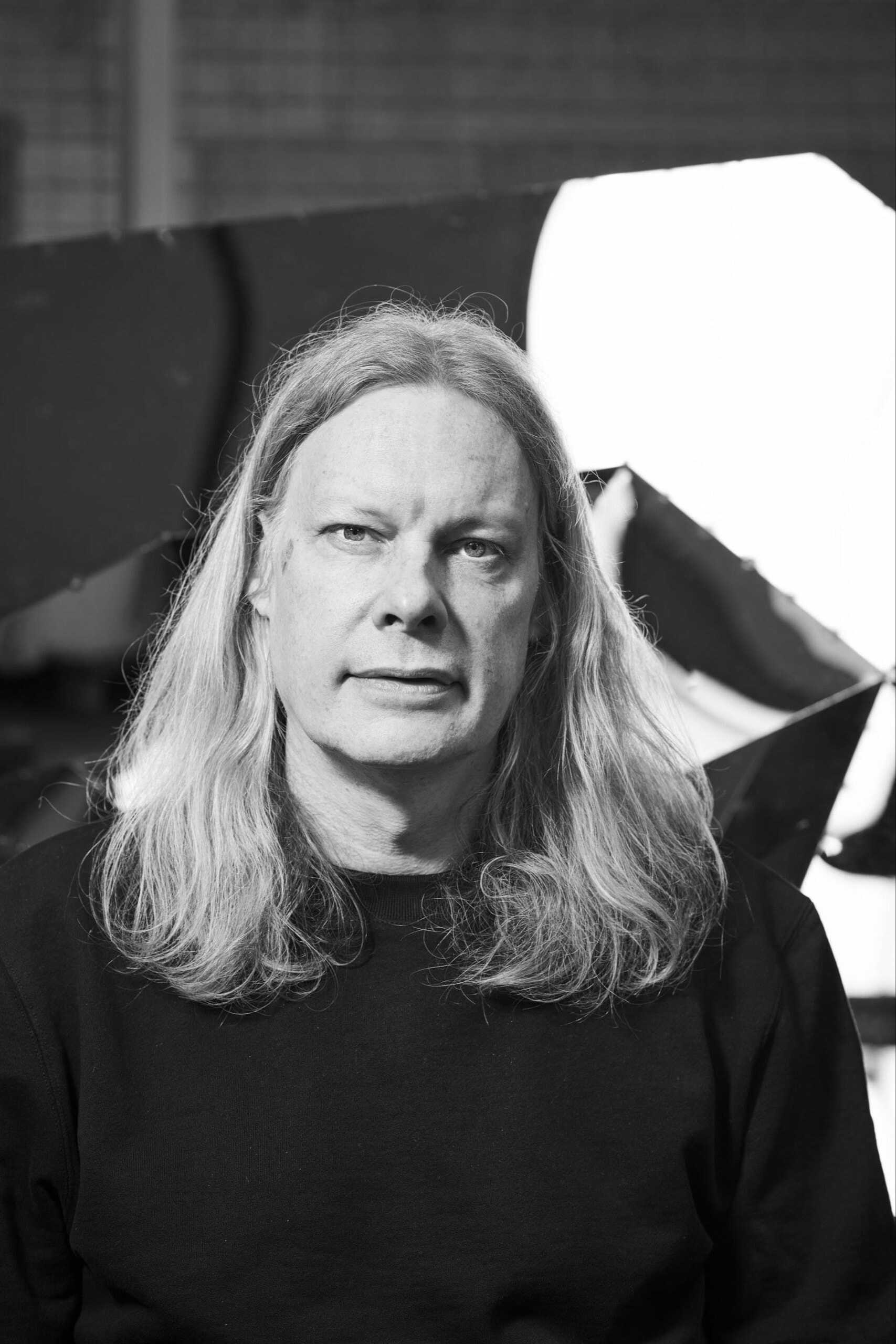
Lupo Horiōkami (b. 1979, Venice) is an Italian artist and designer whose practice bridges tattooing, sculpture, and collectible design. After more than two decades dedicated to tattoo art, including extensive study in Japan, he developed a multidisciplinary approach shaped by Japanese aesthetics, Zen philosophy, and the concept of impermanence. His work explores the relationship between the body, object, and space, translating the visual language of tattooing into sculptural forms and functional design.
Guided by a deep understanding of craftsmanship, materiality, and perception, HORIŌKAMI creates works that balance artistic expression with function. Drawing from architecture, traditional making techniques, and the symbolic qualities of form, his practice investigates how objects communicate through their presence, inviting a contemplative dialogue between design, culture, and the human experience.
Hannes Peer
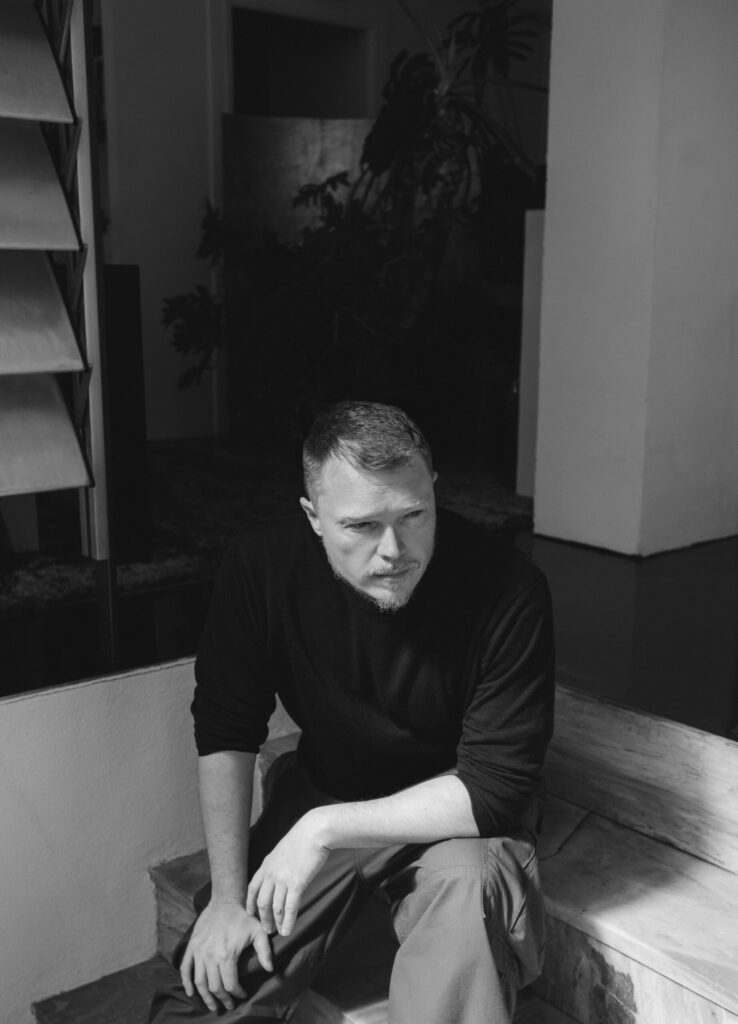
Hannes Peer is an architect and designer from South Tyrol, Italy, and the founder of Hannes Peer Architecture, a Milan-based studio established in 2009. Educated at the Politecnico di Milano and the Technical University of Berlin, he refined his approach through collaborations with influential practices, including OMA in Rotterdam and Zvi Hecker in Berlin.
Guided by a philosophy of eclecticism, Peer’s work bridges architecture, interiors, and product design, combining historical references, craftsmanship, and contemporary innovation. His projects range from hospitality and residential spaces to international brand collaborations, all distinguished by a rich material language and a strong sensitivity to atmosphere. Drawing on his background as a trained carpenter, Peer approaches design through both conceptual rigor and hands-on experimentation, creating spaces that balance functionality, sensory experience, and timeless character.
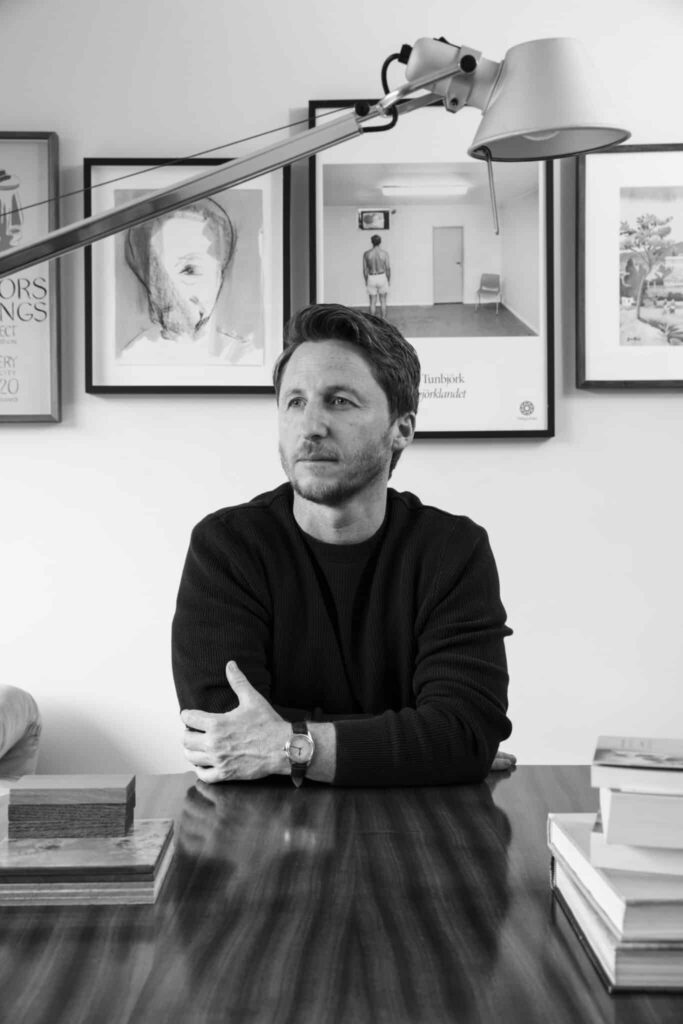
Kevin Frankental 5 Picks From Philia Collection
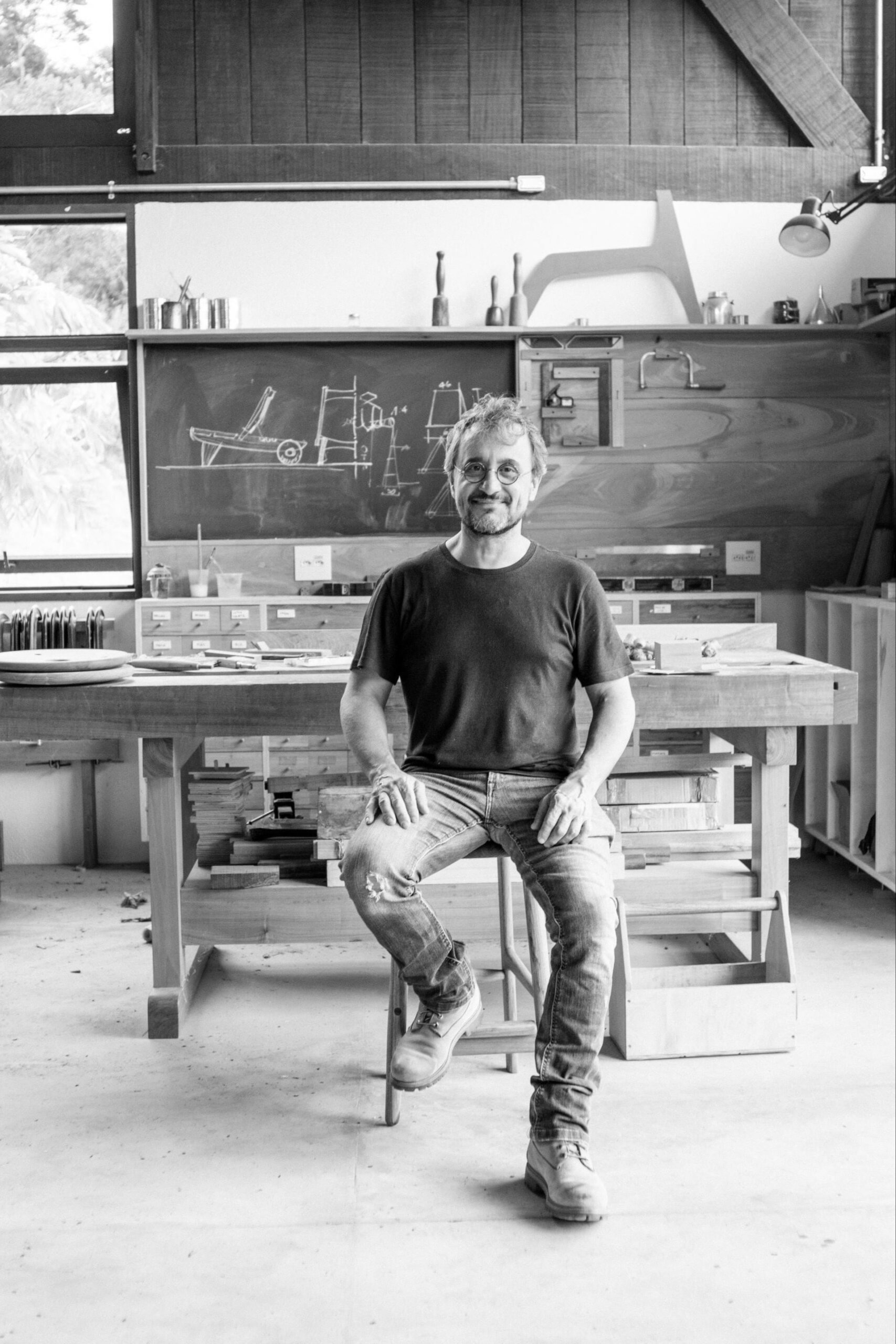
Kevin Frankental is a South African designer and the co-owner and Creative Director of Lemon. Working across furniture and collectible design, his practice is rooted in a profound appreciation for natural materials and the enduring relationship between craftsmanship and time. Guided by an intuitive understanding of stone, wood, and other earth-derived materials, he creates pieces that reveal their intrinsic character while balancing sculptural expression with functional clarity.
Through his work, Frankental explores the idea of timelessness—not as a stylistic pursuit, but as a lasting dialogue between material, form, and making. His designs embrace authenticity, restraint, and permanence, creating objects that transcend trends and celebrate the enduring beauty of nature and craftsmanship.
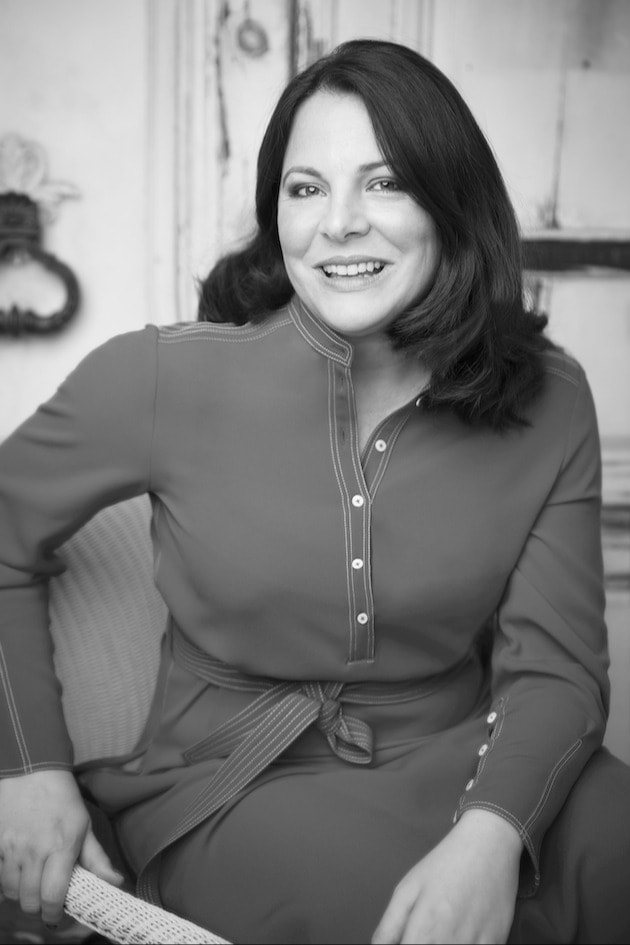
Rebecca James
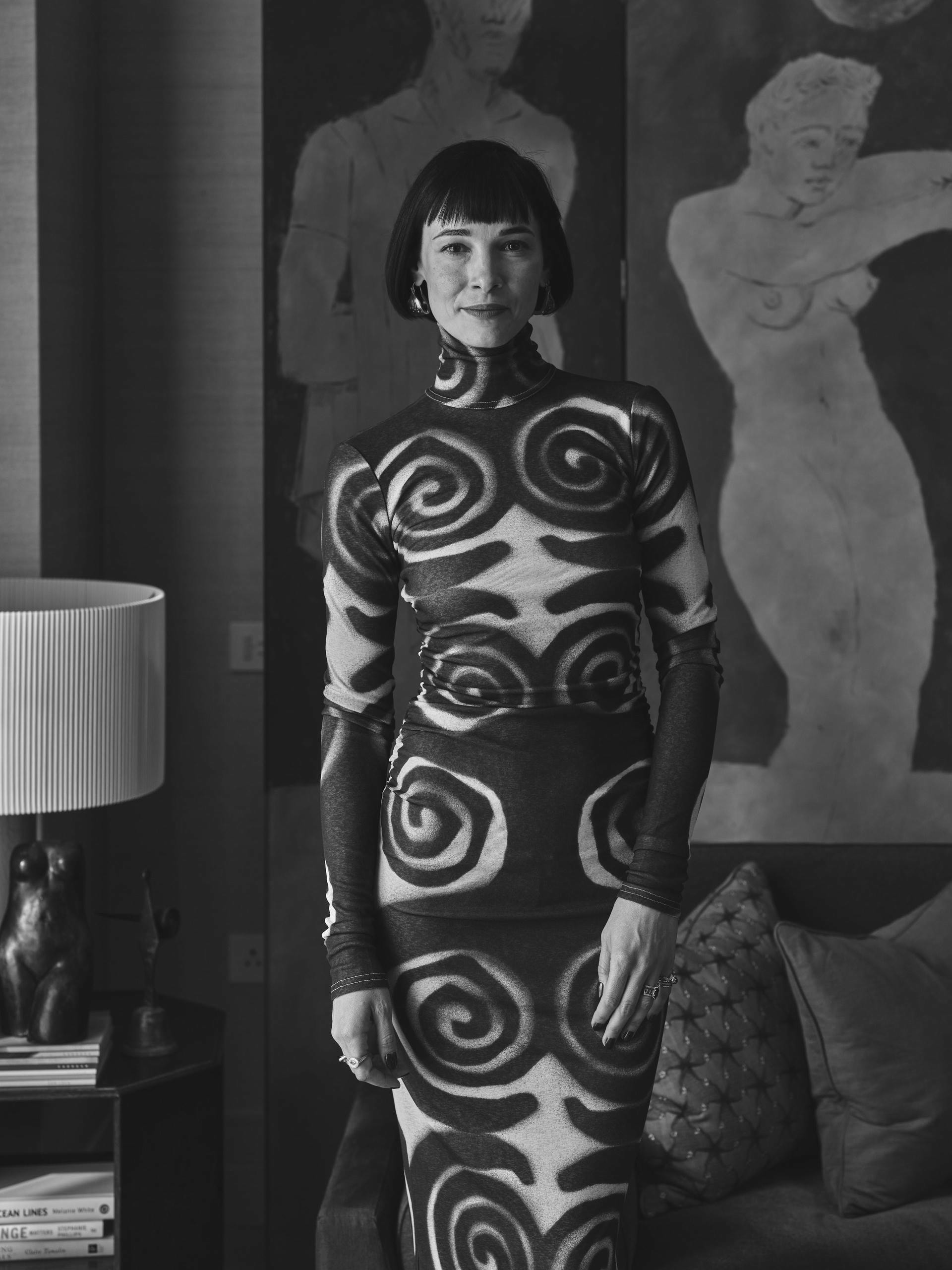
Rebecca James is the founder and creative force behind Rebecca James Studio, a practice known for crafting distinctive, character-driven interiors that balance timeless elegance with a contemporary sensibility. Drawing inspiration from both the past and present, her work reflects a thoughtful dialogue between architecture, fashion, art, and the personal stories of her clients.
Recognised for bold yet refined compositions, Rebecca approaches each project with meticulous attention to detail, creating spaces that feel layered, harmonious, and deeply individual. Her interiors are often defined by rich materiality, expressive contrasts, and a carefully curated sense of atmosphere.
A passionate admirer of Impressionist and Contemporary Art, Rebecca also enjoys painting in her spare time, an artistic sensitivity that continues to inform her creative approach and visual language.
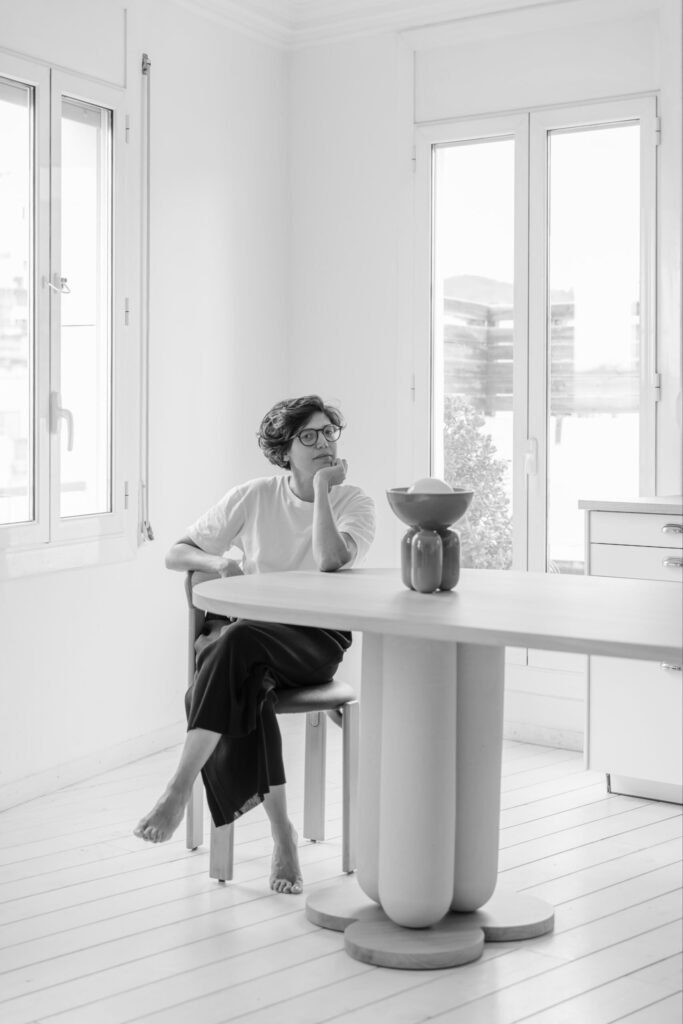
Lisa Allegra 5 Picks From Philia Collection
Lisa Allegra is a French designer and artist based in Barcelona whose practice explores the intersection of sculpture, furniture, and everyday objects. A graduate of the École des Arts Décoratifs in France, she creates handcrafted collections of furniture and lighting that investigate balance, materiality, and the quiet presence of form. Working primarily with clay alongside textiles and wood, Allegra combines craftsmanship with a minimalist sensibility, creating timeless pieces that celebrate tactile materials, thoughtful making, and the poetry of everyday life.