Drew Lang
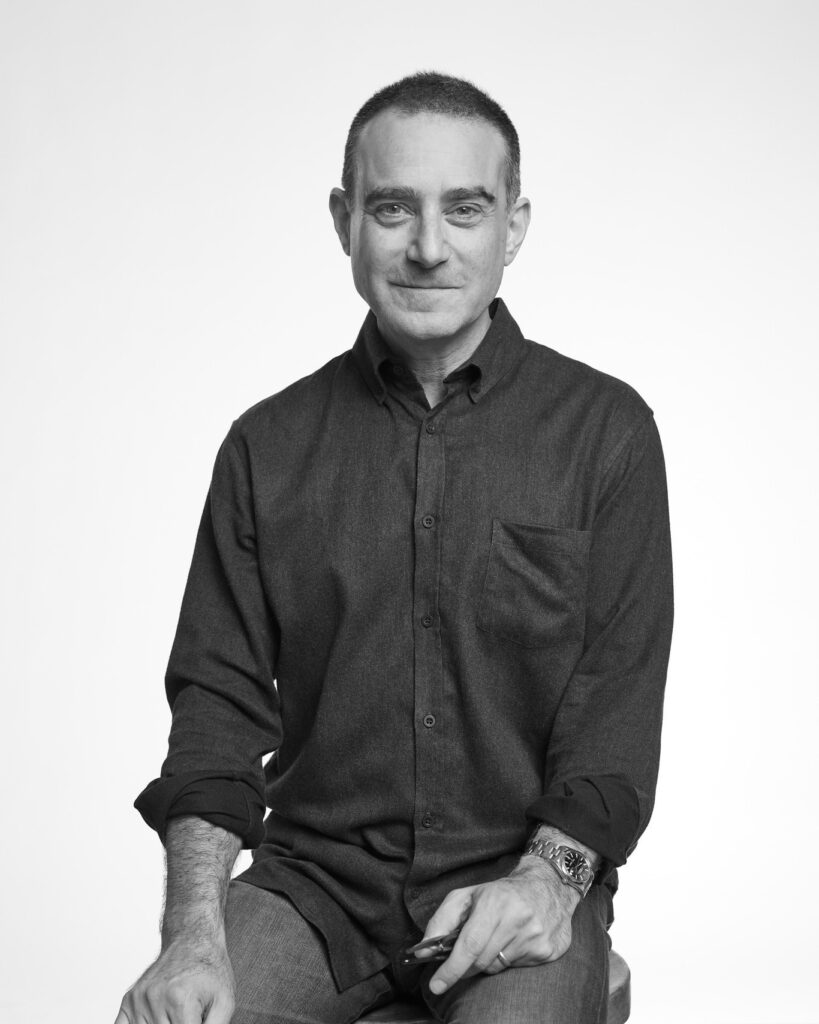
Drew Lang is the founding principal of Lang Architecture, a New York–based practice recognized for its thoughtful approach to spatial design and material expression. He holds a Master of Architecture from Yale University and is a licensed architect in New York, New Jersey, Pennsylvania, and Louisiana.
At the helm of the studio, Lang defines the conceptual direction of each project, working closely with collaborators and clients to create spaces that are both grounded and enduring. His work reflects a sensitivity to context, where architecture becomes a medium to shape lived experience through light, material, and form.
Born in New Orleans, Lang’s early connection to place continues to inform his practice, particularly in the way natural and built environments intersect in everyday life. Beyond his architectural work, he founded the Faubourg St. Roch Project, a non-profit initiative dedicated to the revitalization of one of New Orleans’ historic neighborhoods, reinforcing his ongoing engagement with community and cultural continuity.
“The architecture was deliberately restrained, positioned to sit in harmony with the land rather than dominate it.”
INTERVIEW

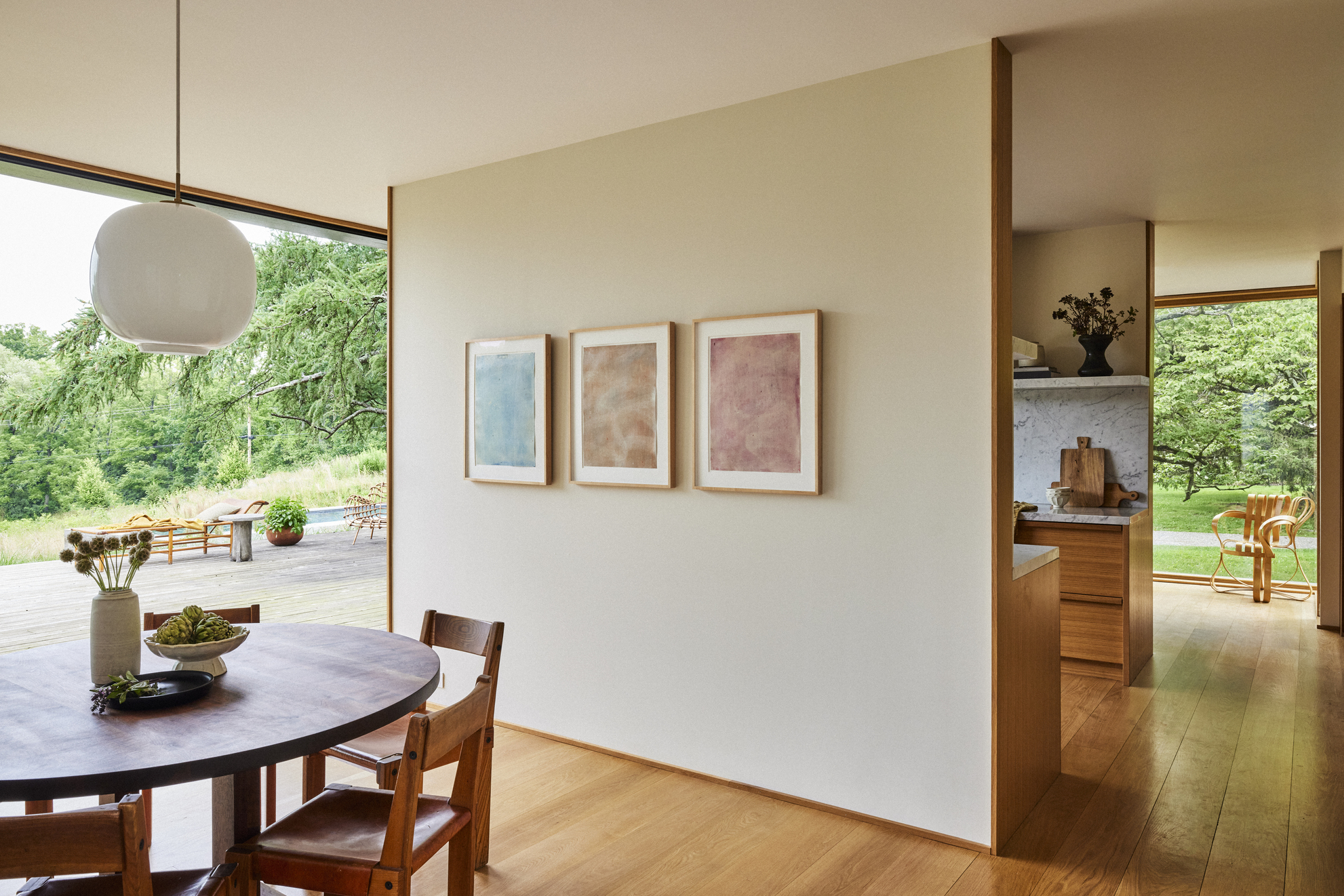
GERMANTOWN © Jonathan Hokklo
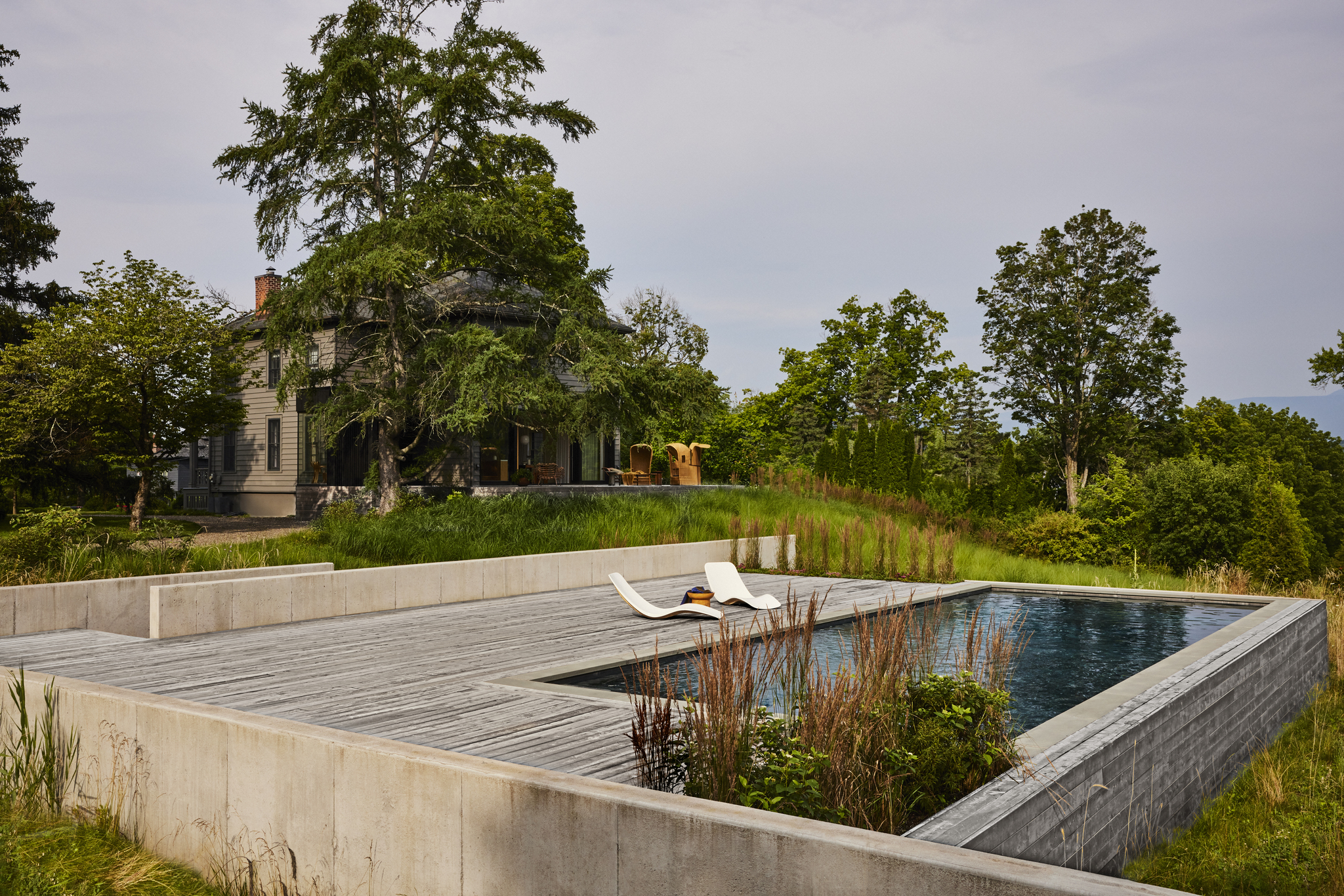
Our work is informed by place, people, and experience, and is defined by materiality and craft. Rather than imposing a singular aesthetic, we allow the conditions of the site, whether it’s the surrounding landscape or the existing conditions of a historical building, to guide the architecture, resulting in work that feels responsive and quietly integrated.
We start by closely observing context, as well as taking the time to understand our clients. When working on homes, particularly those set within nature, we pay special attention to how the building will sit within its environment. Place and people inform every decision, allowing us to translate a client’s vision into architecture that feels grounded, intentional, and in harmony with its surroundings.
We always begin by observing context and identifying existing value before entering the process as architects. This is especially important when working in established neighborhoods or natural settings, where sensitivity to scale, landscape, and history is critical.
By studying specific moments and details, we’re able to develop an approach that is both retrospective and forward-looking, allowing new architecture to sit comfortably within what already exists.
Our Hudson Woods project is one we’re particularly proud of. It consists of more than fifty buildings carefully integrated into a natural landscape, with the mature environment preserved as the true protagonist. The architecture was deliberately restrained, positioned to sit in harmony with the land rather than dominate it.
That sensitivity is reflected in the community itself, with residents who deeply appreciate the serenity and connection to nature the project offers.
Misalignment with project collaborators. Fortunately, this occurs less and less as we become increasingly better at filtering collaborators and clearly aligning expectations early in the process.

HUDSON WOODS © Matthew Williams

Nature and place, particularly landscapes that reveal how a built form can coexist quietly and respectfully within its environment.

SPLINTER CREEK © Jean Allsopp
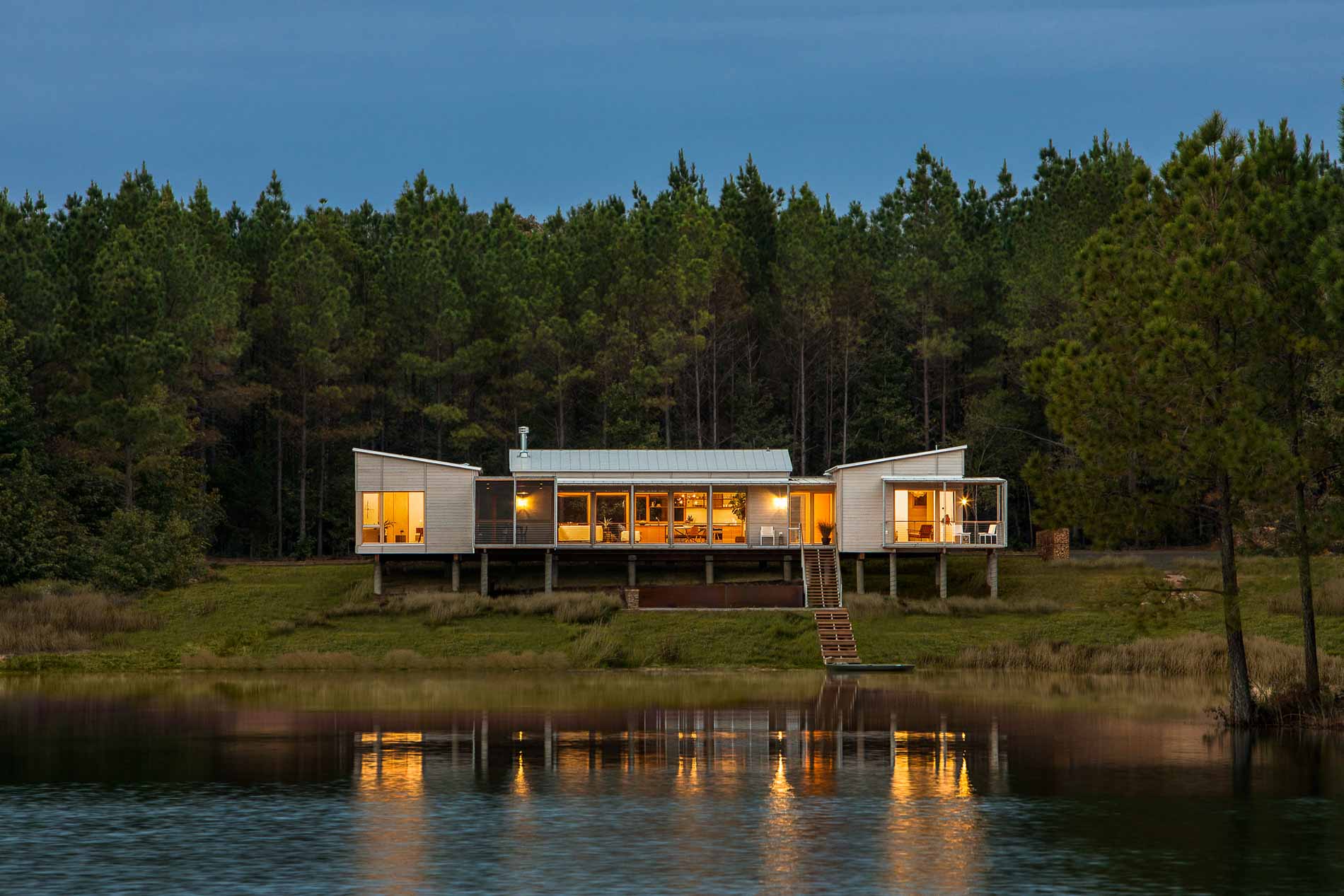
That balance occurs instinctually and systematically within our process. By designing with clients’ needs and daily routines in mind, while remaining attentive to site conditions, the architectural ambition naturally emerges through form that follows function. The goal is always to create spaces that feel both elevated and deeply livable.
Place, purpose, and experience.
Public interest and prioritization as a cultural and societal good. Architecture today often loses sight of its responsibility to the public realm. By re-centering projects around public interest and contextual responsibility, the discipline can reconnect people to broader cultural and social structures, maintaining an honest relationship between builders, users, and the environments we build within.
Always have an active self-initiated development project.
Thank you so much Drew, for this lovely interview!
Share article :