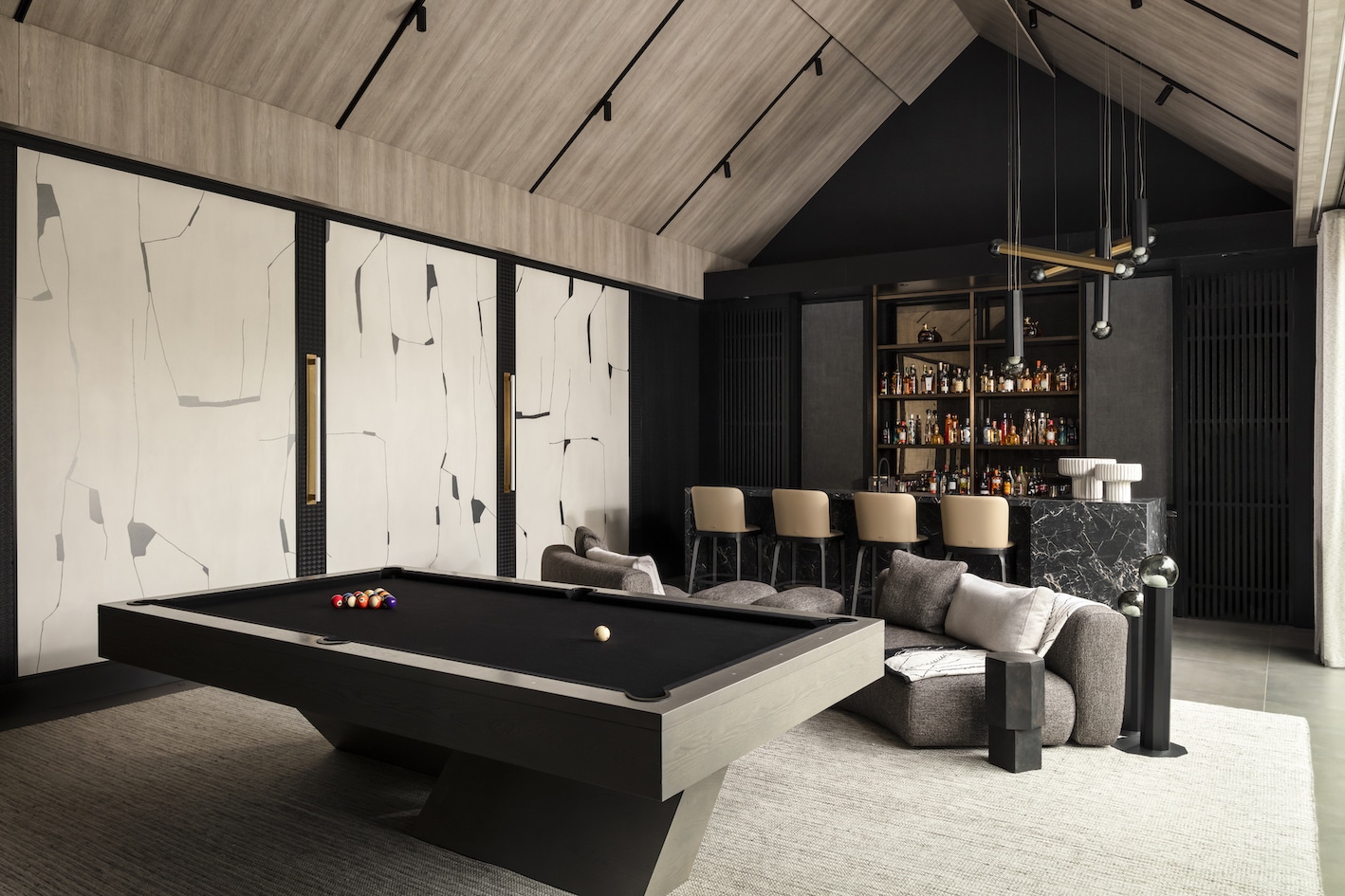
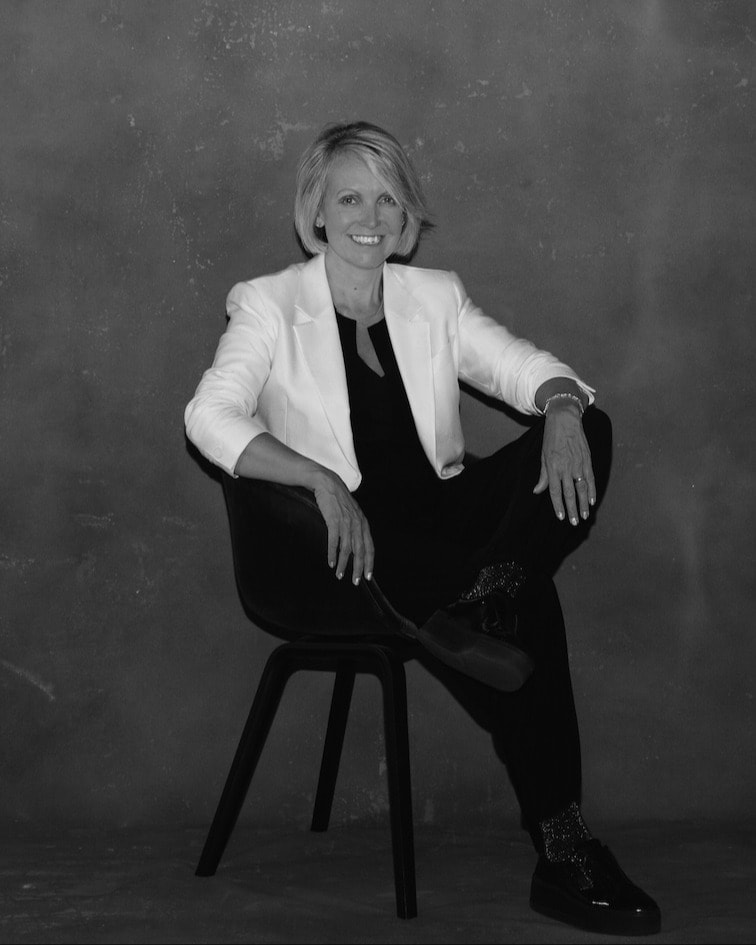
Rachel Usher
Rachel Usher is a multi-award-winning interior designer and the founder and Creative Director of her eponymous design studio, established in 2012. Fully accredited by the SBID (Society of British and International Interior Design), she is recognised for a thoughtful and emotionally driven approach to interiors that extends beyond aesthetics, focusing on how spaces can enhance the way people live and feel within them.
Together with her studio team, Rachel places great importance on understanding each client’s personality and lifestyle, believing that meaningful interior design begins with human connection. Her work is guided by the idea that the spaces we inhabit have a profound impact on emotional wellbeing and everyday life.
Alongside her studio practice, Rachel is also the founder of The Business of Interiors and host of the podcast If These Walls Could Talk, where she explores the realities and nuances of working within the design industry.
“Interior design should be less about the ‘stuff’ and much more about the mood, atmosphere, ambience.”
INTERVIEW

No matter who you are, your home is your sanctuary, it is the place where we feel most connected and safe. Once you recognize that our feelings towards our homes are so deeply intertwined with our emotional connectivity, it becomes easier to approach a design through the lens of how a space should make you feel. Interior design is not about a collection of things…..interior design should be less about the ‘stuff’ – the sum of its parts, and much more about the mood, atmosphere, and ambiance. The theatre that we create is much more powerful than all of the things that go into it.
To be successful in business, in general, you have to be really organized and recognize that this endeavor has to be viable, it is easy to get lost in the niceties, after all, much of the work we do is a privilege and many of us are in the design industry because we love it, however at its core, the income from it must put food on your families table and provide security and fulfillment for your team.
You know, it was never really that intentional to begin with, I was design-curious, shall we say! I had always been a home-maker and a creative at heart, and during a former career, I started a course in Interior Design, which was only for self-fulfillment, and not a career intention at that time.
I then came to a crossroads in my previous occupation and took a career break. It was during this time that I was invited into a few smaller projects by people that I knew.
One project led to another, and I am the typical dog with a bone personality type. If I do something, there is no middle ground; I can’t help but go all in.
And that was the start of how I came to be where I am today.
Seeing my name above premises for the first time……at the time I launched my early design business, I also called it by my own name, and I remember working with a great brand designer who crafted for me this beautiful brand and typography.
My first big leap was when I opened a showroom with an interior design service within it.
I remember standing across the street looking at my name blazoned across this gorgeous building, and truthfully, I was embarrassed…..like who did I think I was! I knew at that point there was no turning back.
It’s all in the details, and I am not sure I have a signature style. Clients really inspire me, as do buildings. I am endlessly fascinated by people and how they behave, also architecture and the environmental setting, all of which tell their own story. These elements, when taken together, become an avatar of features that influence my design direction, so I tend to take my aesthetic cues from the context of who I am designing for and where I am designing.
We look at the conundrum, and we ask the question…what is it that isn’t working so well, and it is likely to be many things? Then we explore the space and how people need to interact with it, more than merely inhabiting it.
This process usually takes us down a journey of perspectives: what does a space look like when you are sitting in a chair over here, what can you see, what time of day will it be, what will the homeowners be doing there, and how will this space make their lives so much better?
Generally, we start to seed the idea of the project from here, and usually, there is something we want to be a hero, whether it be materiality, texture, art, or sculpture, for example.
I love any project where the client allows me to be creative, I like to know that a client is not fixed in their own ideas and will be receptive to the design journey.
I guess I am always moving forward, and I enjoy the work that I do, and each project allows me to explore.
We have recently completed a project in Boston Sopa, which was a gorgeous family home filled with unexpected details, mid-century modern touches with some really cool art, and I love it; I can’t wait for it to be released.
Tell the truth and tell it fast.
You are handling your client’s biggest investment. This is high-risk work, and if you don’t have your systems and procedures in place, you will find yourself fighting fires, which will take all of the joy out of the wonderful work that you create. Pause, get the process worked out, mitigate your risk, and apply as much detail to your business systems as you would to your designs. This is not missionary work; your clients deserve you to have this sorted out, and you also need to sleep at night!
Burnout will happen if you don’t look after yourself. Being in the luxury service industry can easily lead to neglecting your own needs, as it is easy to keep serving our clients, always seeking to exceed their expectations, and having a perfectionist mindset. Eventually, the long hours, constantly being connected to the digital space, and an equally busy mind and in-box will catch up with you. Take time out, we’re not saving lives here, you owe it to your future self.
Yes – my own! I talk about the business side of Interior Design in my ‘If These Walls Could Talk‘ by The Business of Interiors, which is my business coaching, podcasting, and community venture.
Also, I highly recommend Rick Campos ‘The Design Biz Survival Guide‘, and Lunne Nigara’s A Well Designed Business’.
We have two beautiful apartments in Kensington, London. One is for an overseas family and is in a beautiful listed building, and the other connects two Kensington homes into one. Both of these are going to be fantastic.
Thank you so much Rachel, for this lovely interview!
Share article :