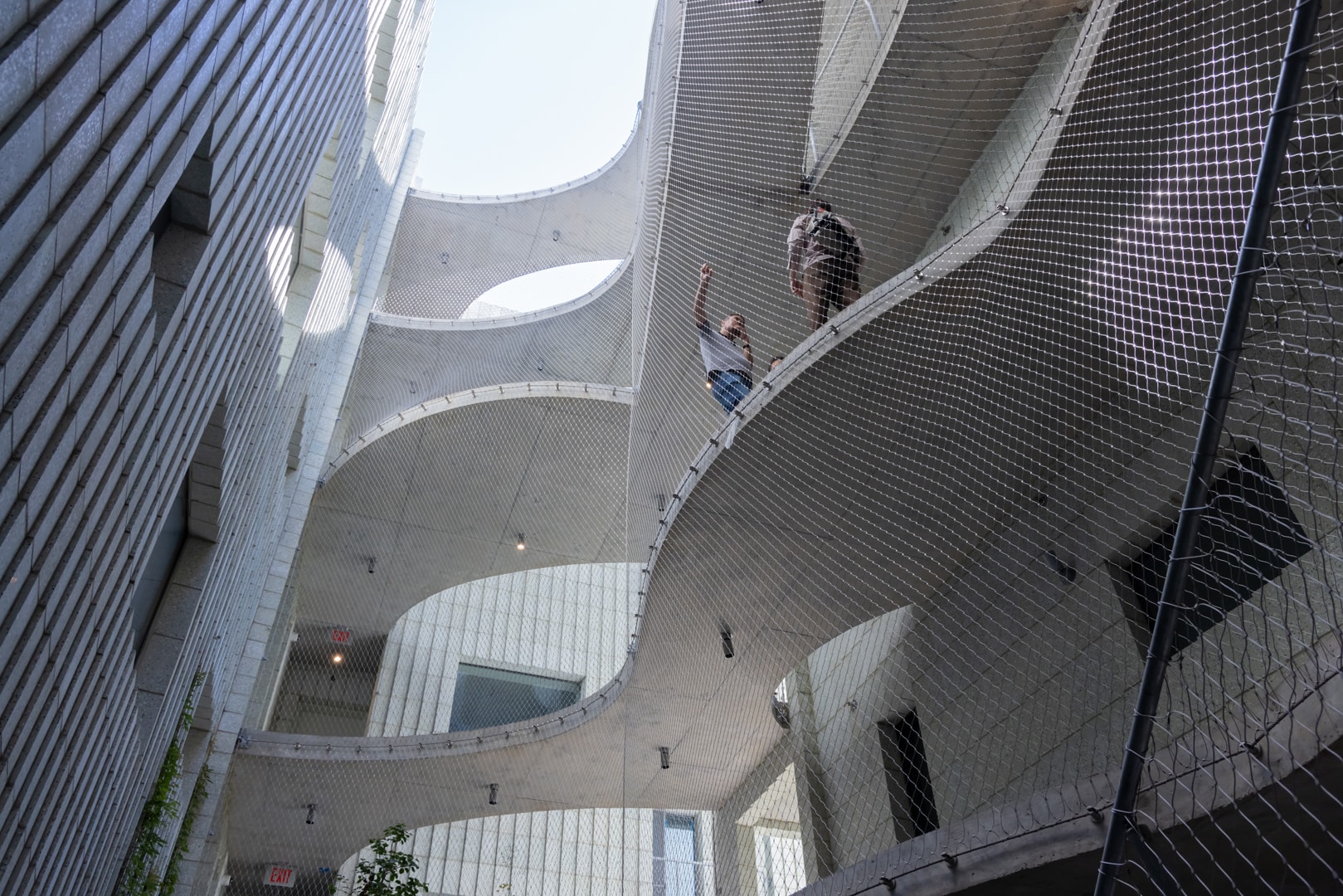
Solid Objectives Idenburg Liu
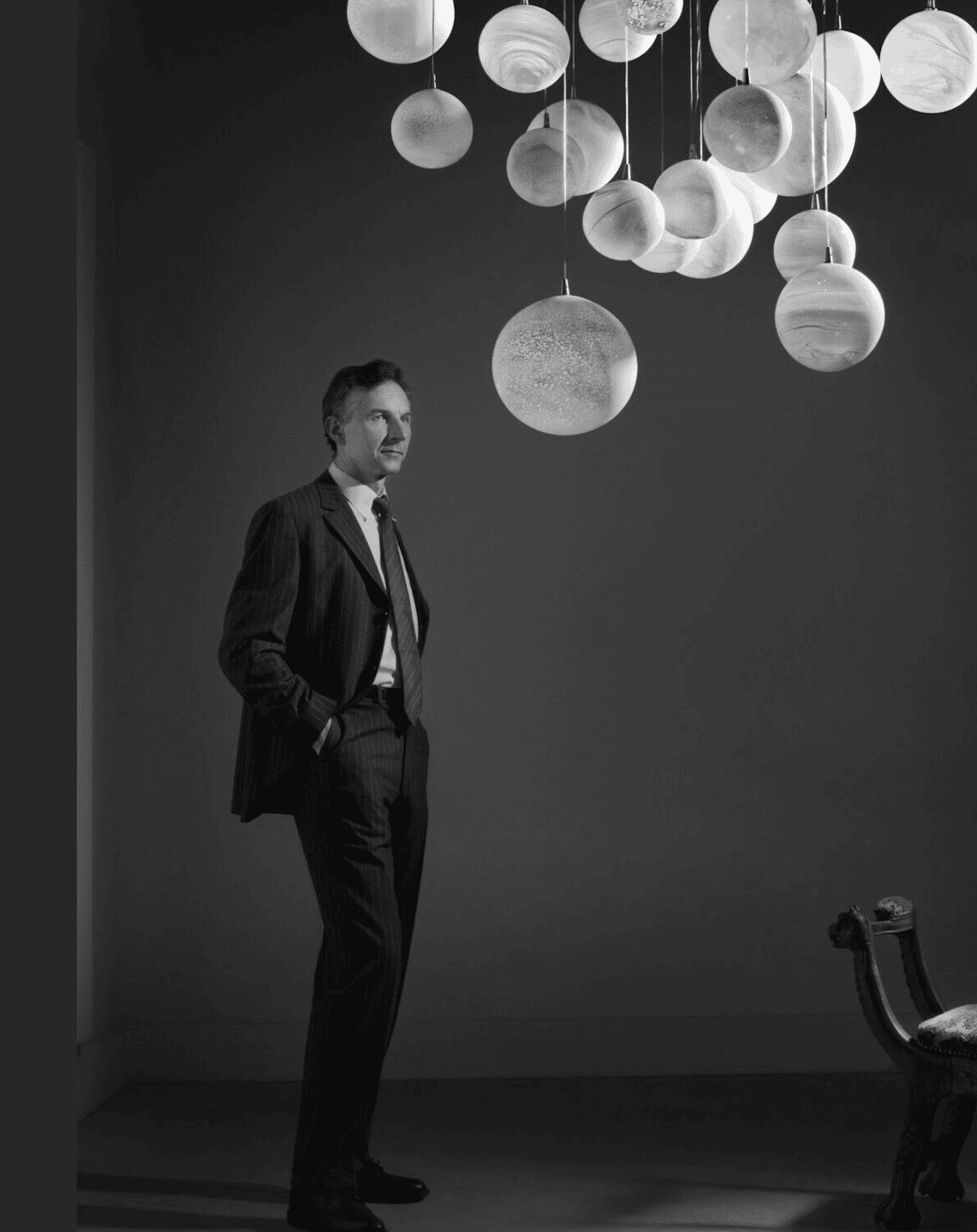
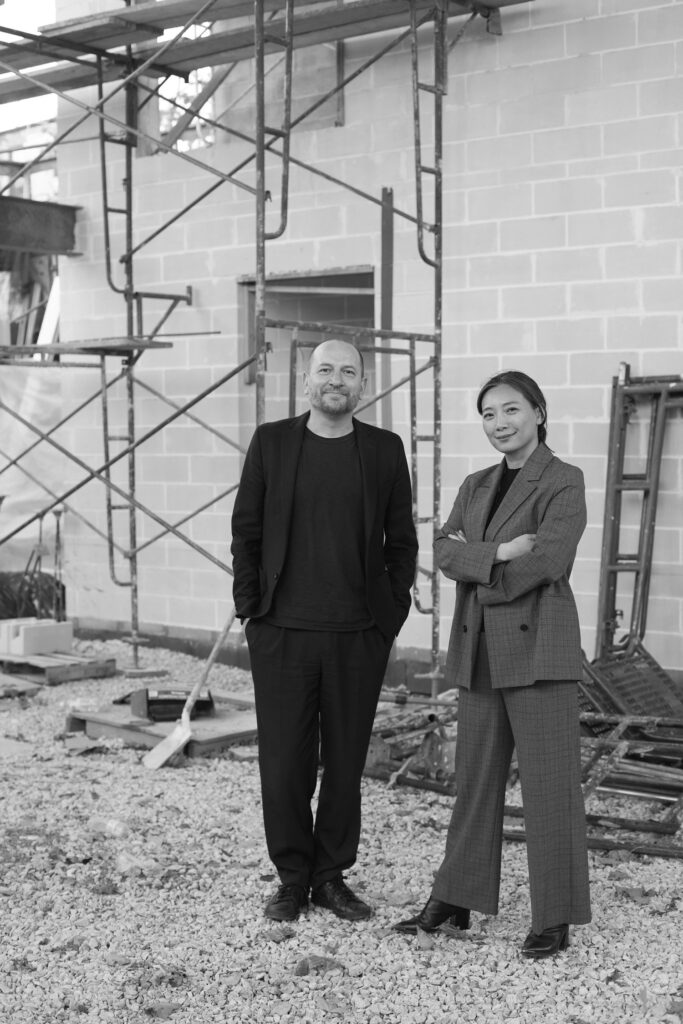
Solid Objectives Idenburg Liu (SO–IL) is an internationally recognized architecture studio founded by Florian Idenburg and Jing Liu in New York City in 2008. With offices in New York and Amsterdam, the practice is known for its open, humanistic approach to architecture, creating cultural, civic, and residential projects that foster meaningful connections between people, space, and environment.
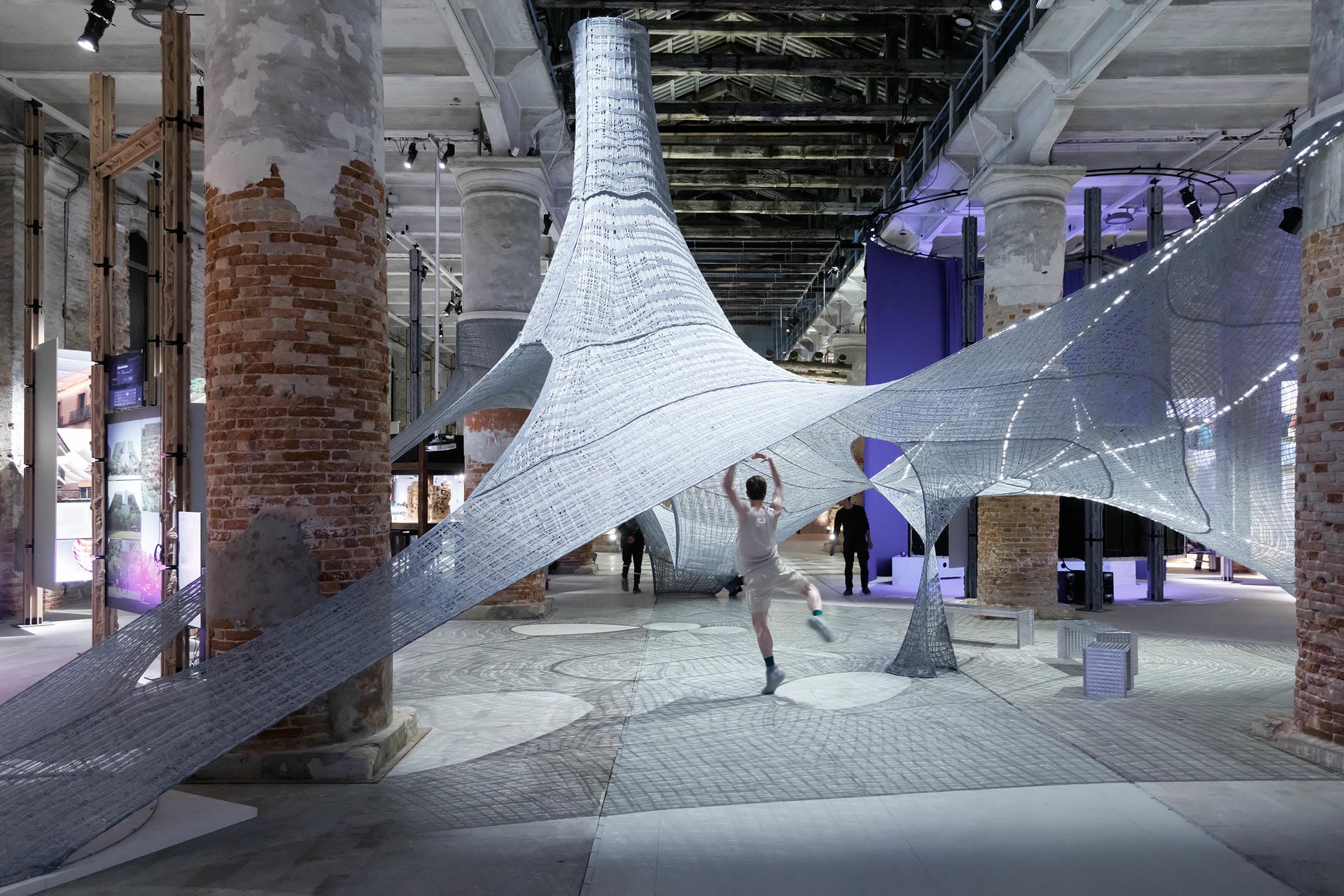
Working across architecture, research, and publishing, SO–IL combines material sensitivity with intellectual rigor and a refined spatial language. Their work has been widely exhibited and collected internationally, including by the Museum of Modern Art, the Guggenheim Museum, and the Art Institute of Chicago. The studio has received numerous distinctions, including the American Academy of Arts and Letters Architecture Award and the Architectural Review’s New into Old Award, and is featured in the 2025 Venice Biennale.
“Material is not a layer added onto space; it is where the design begins.”
INTERVIEW

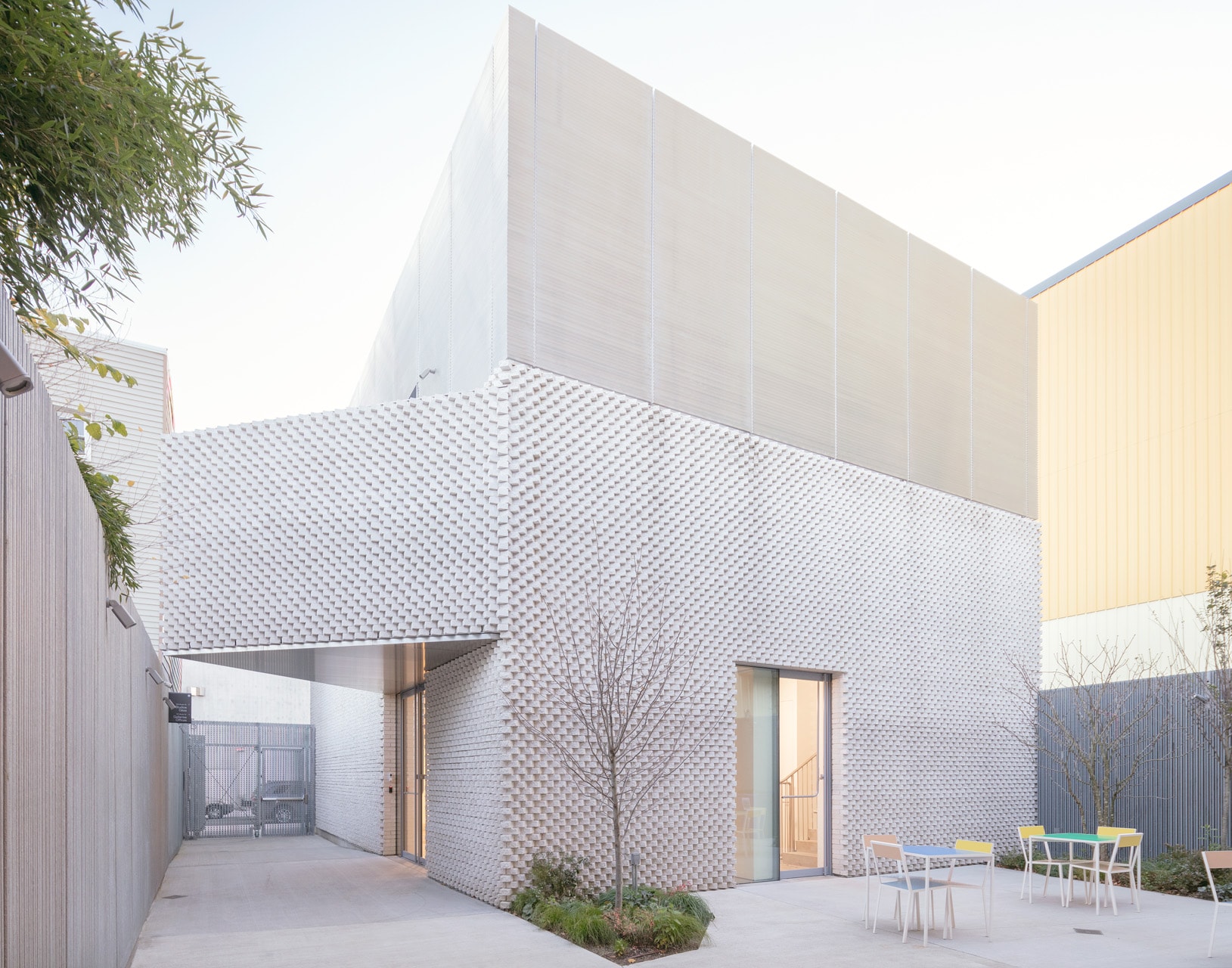
Amant, Brooklyn, New York, 2021 © Naho Kubota
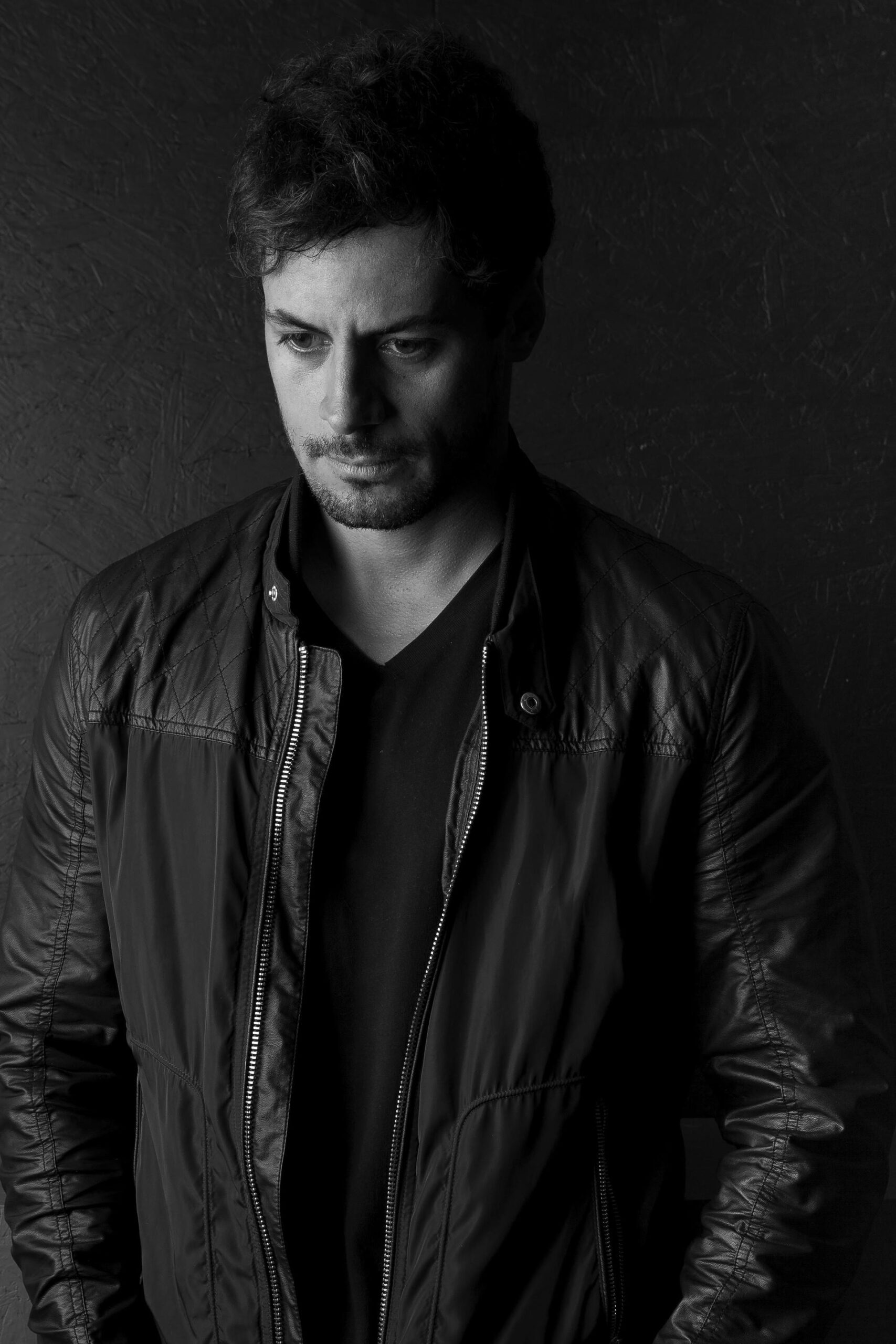
Florian: At sixteen, a school essay on H.P. Berlage, the Dutch early modernist, opened my eyes to architecture as an art that serves civilization. It revealed the enduring challenge of how a building can embody sometimes conflicting ideals.
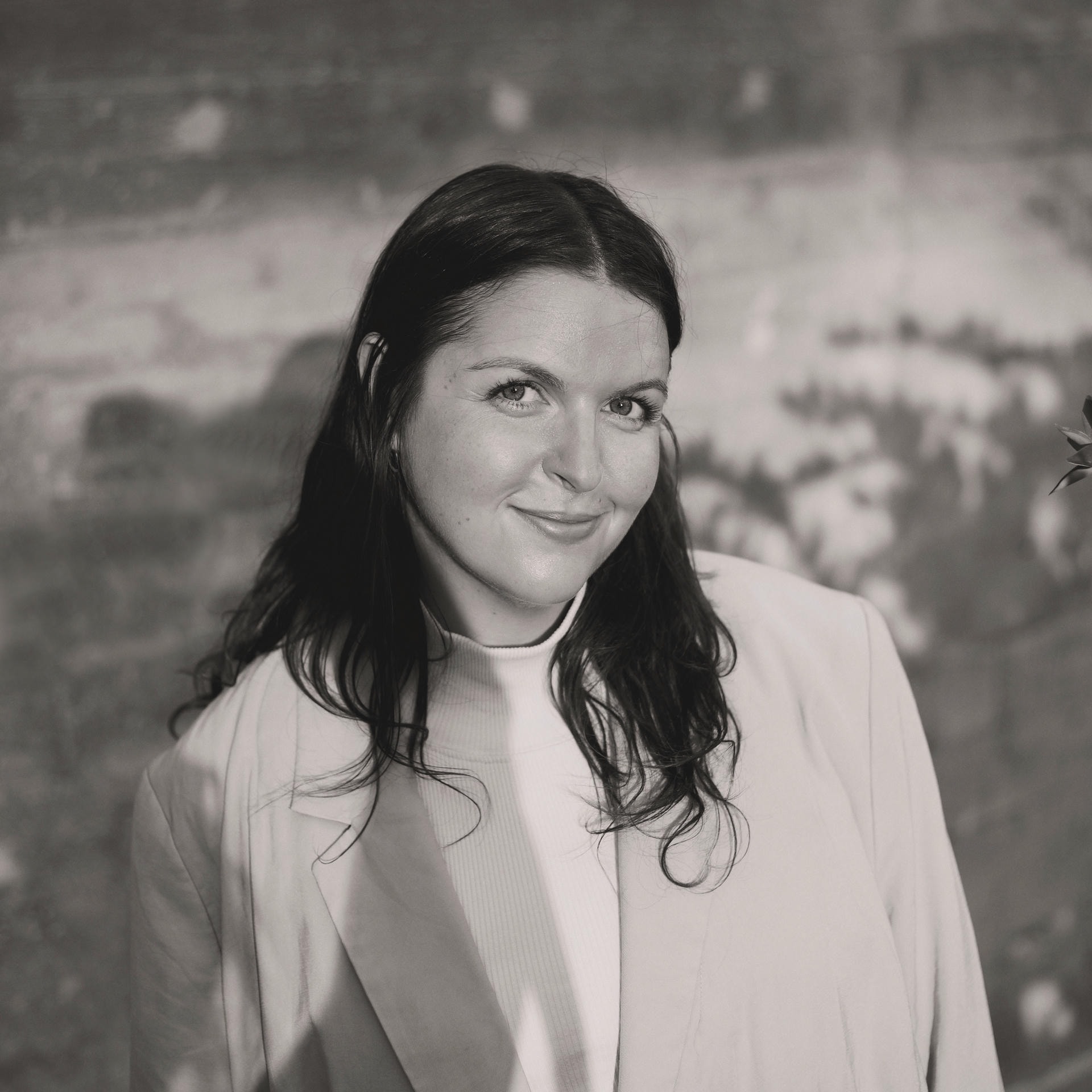
Jing: I wanted to be a writer. Over time, my language evolved into form and material; architecture is now how I tell stories.
We begin by listening to context, to use, to atmosphere. Every project starts as a conversation that slowly takes shape. In parallel, there are brooding fascinations and intuitions that find their way to the surface. Translation happens through form, light, and the rhythm of space.
Our architecture is open, tactile, and social. We aim for clarity, but not simplicity — spaces that remain alive, that invite interpretation and change.
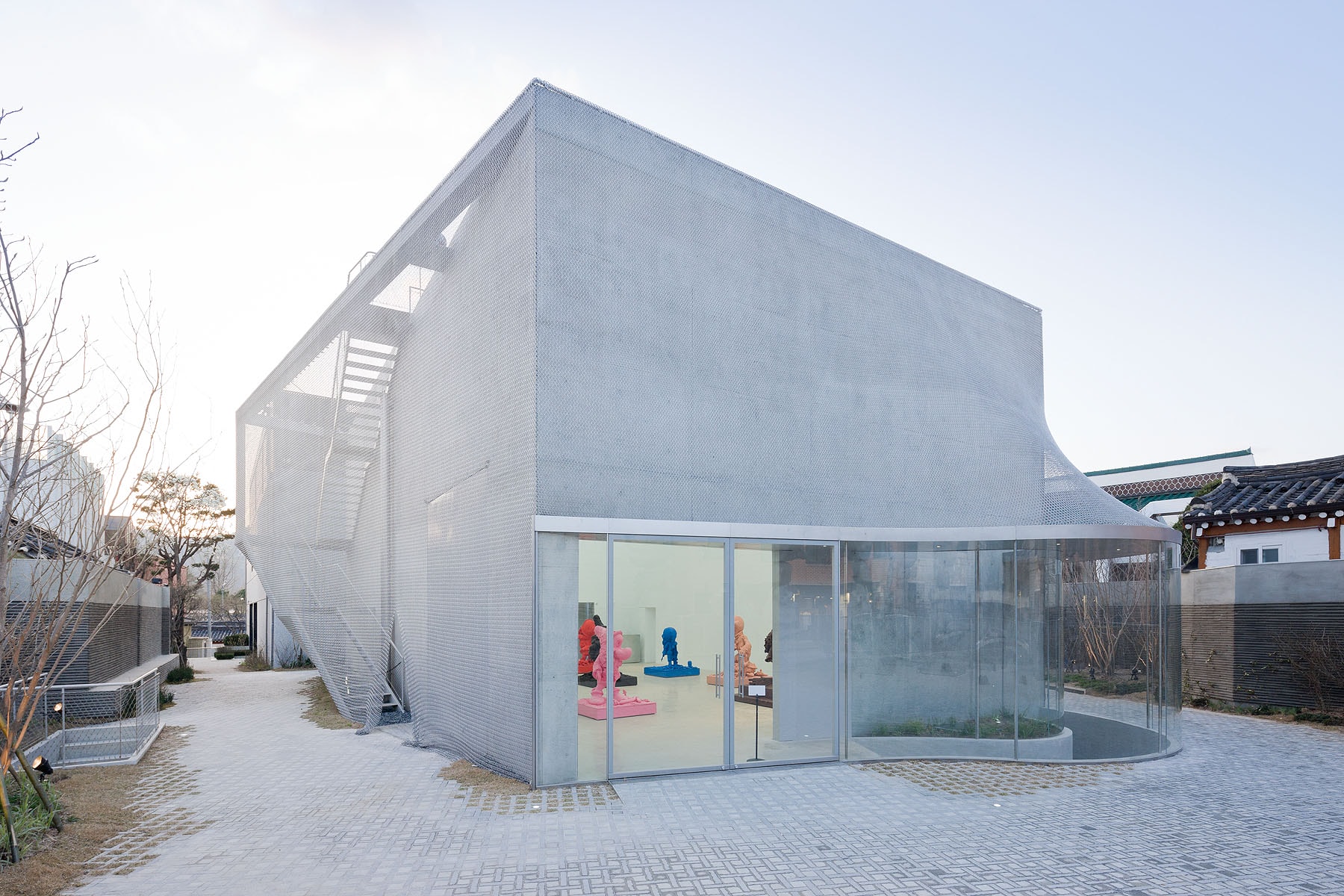
The Kukje Gallery in Seoul was our first ground-up building, a heroic feat in many ways. We created a bespoke skin that blurs the line between building and landscape, between institution and form. It stands as a public gesture that remains generous and open-ended.
It’s a tricky question as we admire many works for very different reasons. Our time in Japan has been formative; the traditional shrines, villas, and palaces teach rhythm, structure, and openness. Lessons that continue to echo in contemporary architecture. In the U.S., we find Paul Rudolph’s work tremendously ambitious, idiosyncratic, and curious. In Europe, Edvard Ravniker remains a quiet favorite. We’re connoisseurs and fans – these examples only scratch the surface.
The endless selection processes. While we value being in dialogue with our peers, these competitions are often drawn-out and demanding, sometimes poorly managed or conceived. They can be disheartening for teams who invest deeply. We continue to engage, seeking processes that align with the work’s ambition.
We learn most from places that operate differently from our own. Cities or places shaped by distinct economies, politics, cultures, and skills. Experiencing how others build and live broadens our sense of possibility. Travel, and conversations with others and with each other, remain our deepest sources of inspiration.

Kukje Gallery, Seoul, South Korea, 2012 © Iwan Baan

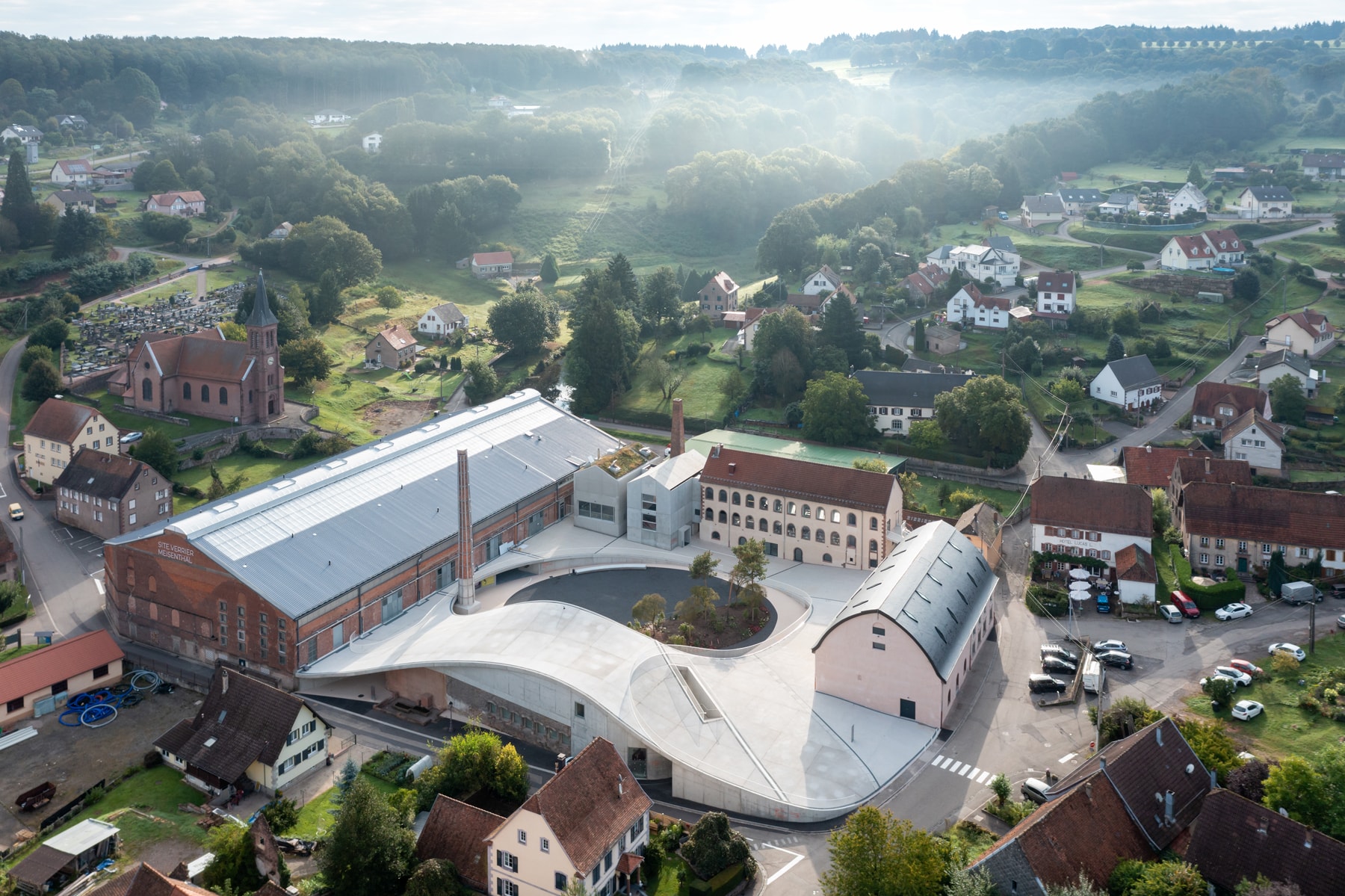
Site Verrier, Meisenthal, France, 2021 © Iwan Baan
To be determined. We like the double meaning: every project is a process of discovery, revealing where it wants to go. Yet it also speaks to our resolve: we are determined to make things work, to figure it out along the way.
Buildings today need generosity to host difference, to embrace uncertainty, to create real publicness in a fragmented world.
Material and space are inseparable. The textures of materials shape how we experience form, not only visually, but through touch and the body. Implied weight, the roughness of a surface, or the unexpected use of a familiar material all influence how a space feels. For us, architecture is the orchestration of material and form; we never think of one without the other. Material is not a layer added onto space; it is where the design begins.
Don’t forget to take it easy now and then.

Thank you so much Florian and Jing, for this lovely interview!
Share article :