PHILIA
Magazine

Filter - Radio
Mirjam Kluka_Gini Moynier

Gini Moynier

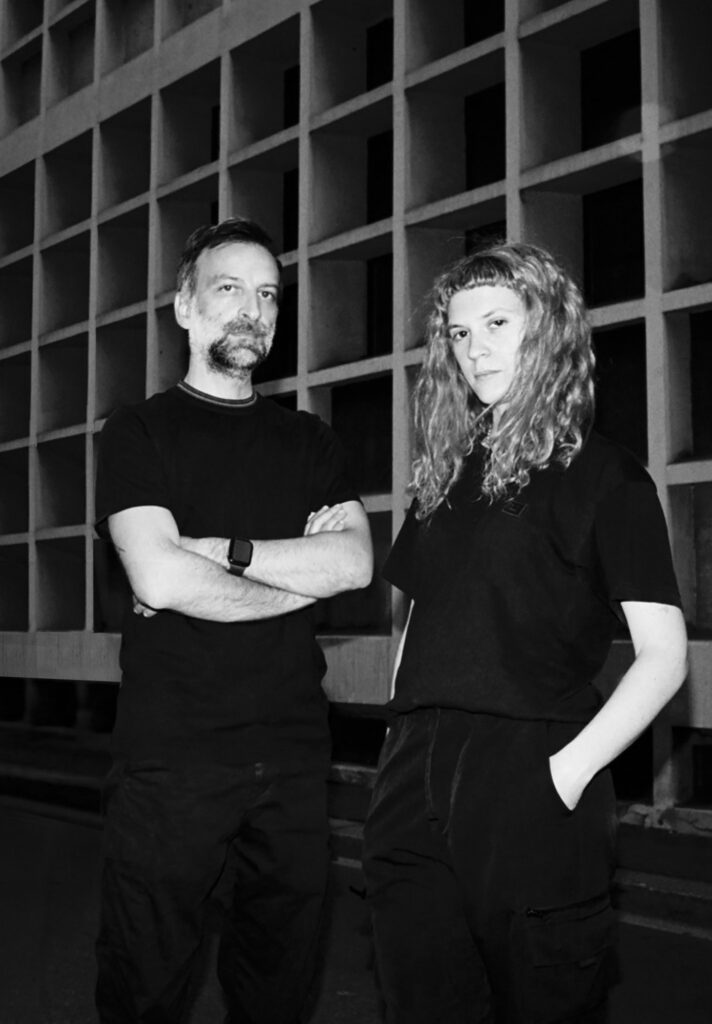
Gini Moynier is a creative office based in Switzerland, founded by Amandine Gini and Victor Moynier. Working across products, spaces and imagery, the duo grounds its practice in research into materials and processes. Their work brings contemporary social questions into dialogue with cultural heritage, developing narratives through design.

Their clients and collaborators include the International Olympic Committee, Karimoku New Standard, Ligne Roset, the Musée d’Ethnographie de Genève, On Running and Tajimi Custom Tiles. Their work has been exhibited at the Salone del Mobile in Milan and the Palais de Tokyo, and they have received awards and grants from the Dezeen Awards, Fondation Casino Barrière de Montreux, Pro Helvetia and the IKEA Foundation Switzerland.
Herman Miller BW

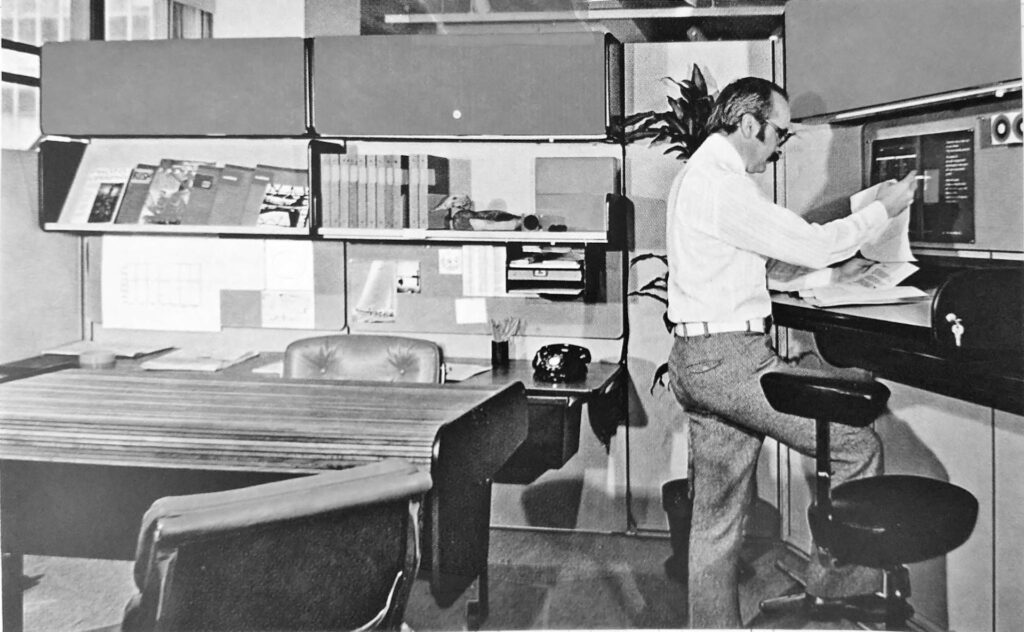
Crying in Bad Offices, Working Toward Better Ones

G_CRAIG NENER_PROFILE modified

Craig Nener – GROTTO Studio

Craig Nener is a Perth-based architect and founder and director of GROTTO Studio, established in 2020. Working across residential, cultural and commercial projects, his practice explores the relationships between landscape, atmosphere and everyday life. He holds a Master of Architecture with Distinction from the University of Western Australia and gained experience with Herzog & de Meuron in Basel and London, and MORQ.

Drawing on vernacular buildings, passive design and traditional craft, Nener’s work gives particular attention to proportion, materials and natural light. His approach emphasises clarity, restraint and longevity, creating buildings grounded in their surroundings. The studio’s first completed house, Shadow House, received the 2024 Dezeen Award for Home Renovation of the Year, the 2025 Peter Overman Award and a national commendation from the Australian Institute of Architects in 2025. Alongside his practice, Nener teaches architecture at the University of Western Australia and contributes to discussions on housing, beauty and the future of Australian cities.

Lauren Li headshot Low Res 4 modified

Lauren Li – Sisällä Interior Design

Lauren Li is a Melbourne-based interior designer behind Sisällä, a studio whose name—Finnish for “inside”—reflects her heritage. Her practice centres on creating personal, considered interiors that respond to the lives, memories and aspirations of their inhabitants. Through thoughtful combinations of colour, texture and spatial planning, she balances elegance with the practical needs of everyday life.

Her work spans new builds, renovations and furnishing projects, developed in collaboration with architects, builders and craftspeople. Alongside her design practice, Li mentors fellow designers through The Design Society and specialist software training. She is also the author of The New French Look (2023) and Beachside Modern (2024).

Mati Sipiora

Mati Sipiora

Mati Sipiora is a Polish designer and craftsman whose furniture practice grew out of his family’s metalworking workshop in Czepino, Poland. Combining contemporary design with traditional techniques, he creates small-batch objects entirely by hand, working primarily with steel. Using tools such as a lathe, hydraulic press and welding equipment, he explores minimalist forms through a direct engagement with the material, deliberately avoiding CNC machining and automated production.

Sipiora holds a PhD in design and spent more than a decade in industrial design, with a particular focus on products for people with neurological impairments. After gaining professional experience in Poznań and Berlin, he returned to the family workshop to establish his independent practice. His work, including the Poodle Armchair and Cosmic collection, builds on more than 30 years of family metalworking expertise through material exploration, precise craftsmanship and a considered approach to production.

ANONIMA LUCI 2026

Anonima/Luci

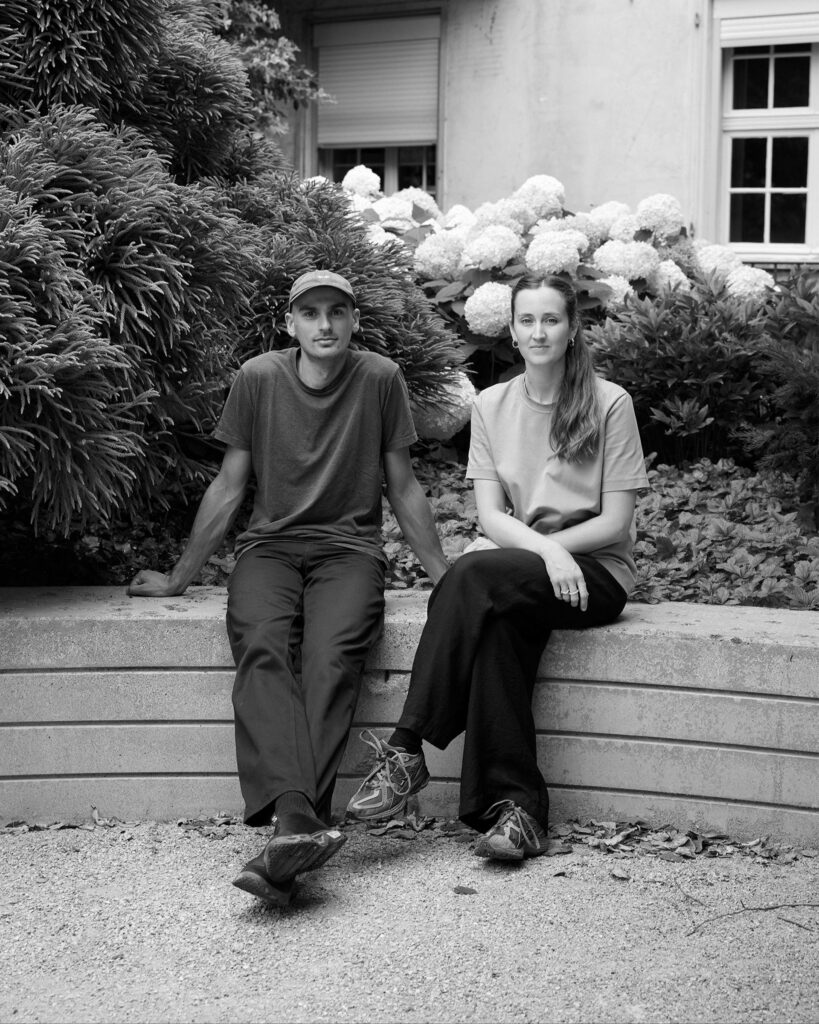
Anonima/Luci is a lighting design and light art studio founded in Milan in 2018 by Alberto Saggia and Stefania Kalogeropoulos. Alberto’s background in industrial and lighting design complements Stefania’s training in architecture and exhibition design, bringing together attention to technical detail and an understanding of space and human experience. Working across architectural lighting, product design and artistic installations, the studio explores how light shapes atmosphere, perception and movement.

Their practice develops through research, prototyping and physical testing, with close collaboration between sound artists, engineers and technical developers. From programming light and sound to integrating optics, electronics and cabling, their work involves translating an initial concept into a functioning installation. Projects such as the lighting system for Voce at Triennale Milano reveal this balance between technical precision and spatial sensitivity, creating flexible environments in which the systems behind the experience remain discreet.

Johanna Enger 2 modified

A Light with No Name

Felipe Caboclo

Felipe Caboclo

Felipe Caboclo is a Brazilian architect whose practice, Felipe Caboclo Arquitetura, focuses primarily on residential projects. His work explores the relationship between space, materiality, light, and human experience, approaching each project as a response to a particular place and way of living. Attention to proportion, detail, and the qualities of materials shapes an architecture closely connected to everyday life.

For Caboclo, architecture is also a means of understanding how people inhabit time and form lasting relationships with their surroundings. Beyond visual beauty, his practice seeks to give spaces a distinct personality that can be rediscovered over decades, creating homes whose significance develops through the experiences and memories of those who inhabit them.

Keiji Kadota

Keiji Kadota

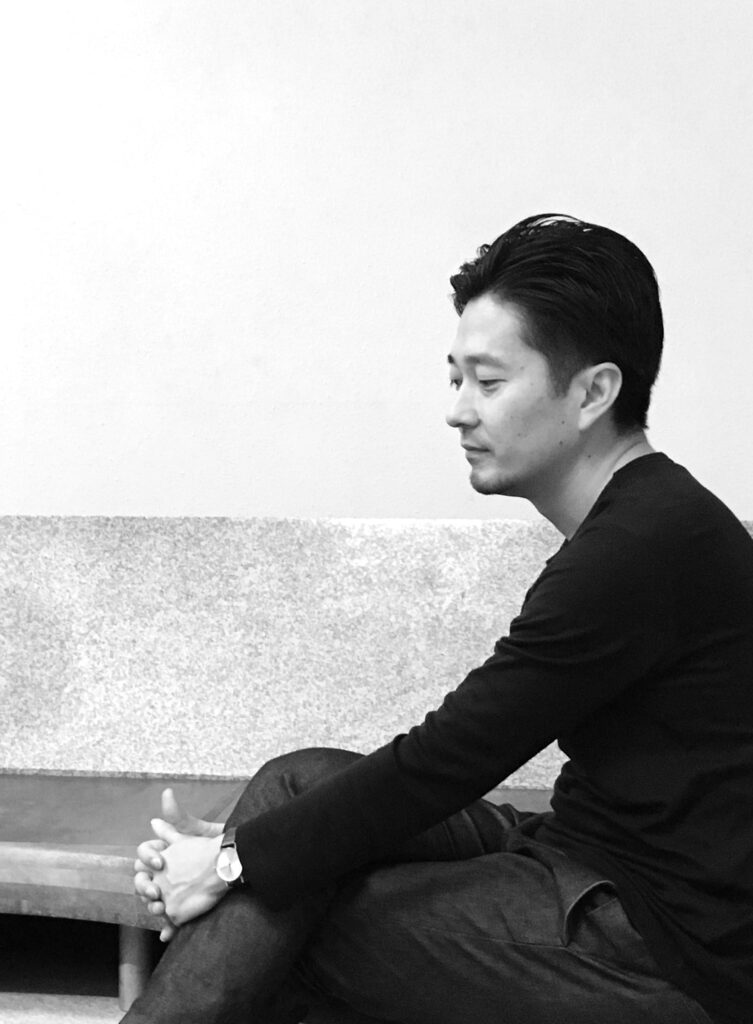
Keiji Kadota is a Japanese architect and interior designer who founded UNC STUDIO in 2020, following his architectural studies and experience at architecture and interior design firms. Working across interiors, architecture, and furniture, he pursues a thoughtful exploration of natural materials, seeking to create lasting character through simple interventions. His designs develop through an understanding of each site, conversations with clients, and close collaboration with craftspeople, with bespoke furniture often forming an integral part of the space.

An early project, Loose Kyoto, helped shape this approach through hand-selected timber, a restrained material palette, and custom-designed benches and tables. At CHALLE, Kadota brought Japanese and Mexican influences together within a traditional Kyoto machiya, using a deep crimson finish made from persimmon tannin and red iron oxide. These projects reflect his interest in the expressive possibilities of materials and in giving existing spaces a new purpose while preserving their architectural memory.

BROWSE BY YEAR
Philia Magazine explores contemporary design, architecture and interiors, and how they shape the way we inhabit the world. Through interviews and essays, it gives a voice to designers, architects, thinkers and the people behind the scenes.
642
Published Stories
│
5
Editorial Categories
│
2020
PUBLISHING SINCE