Philia
Magazine
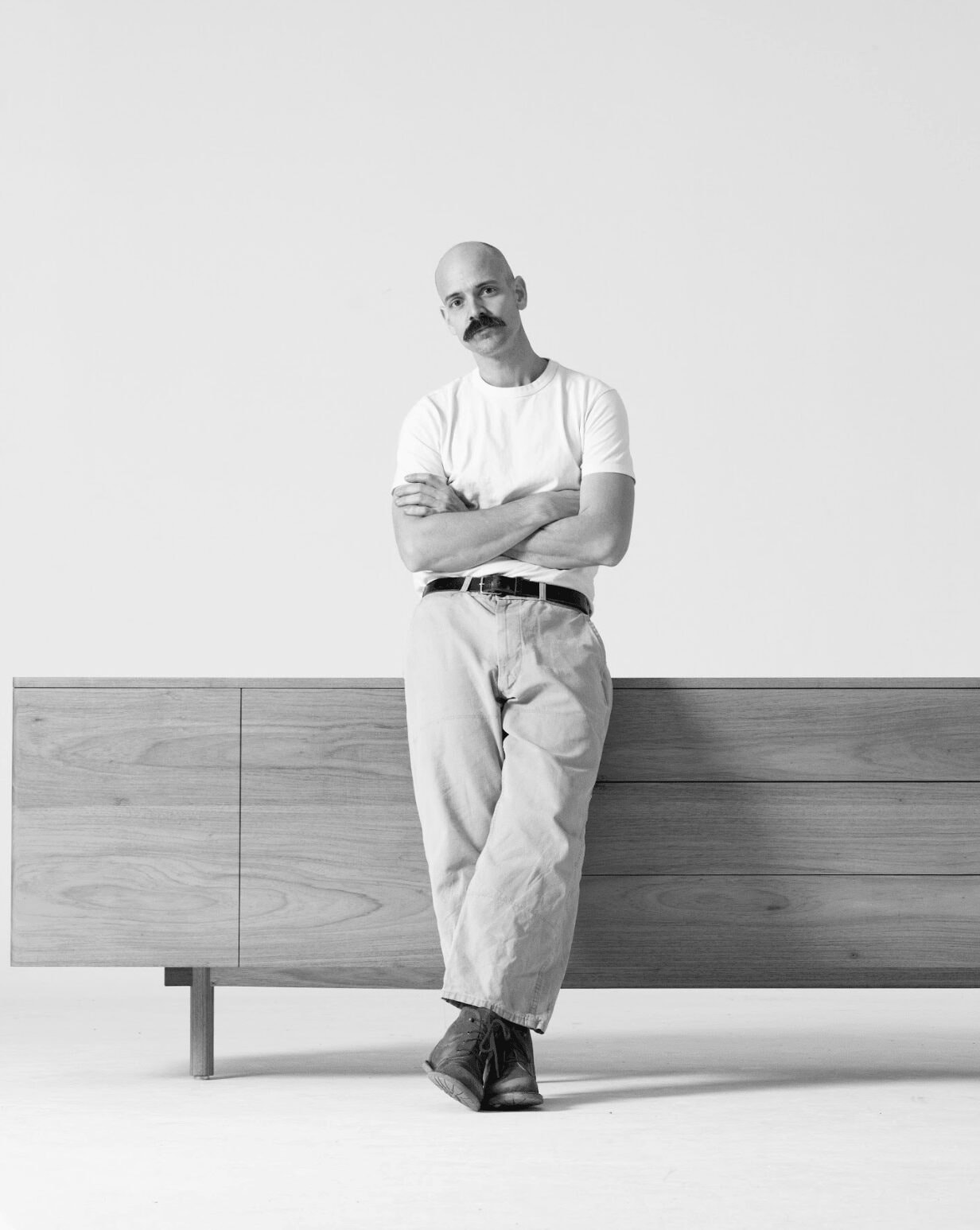
Dan Schneiger
Dan Schneiger is an American architect, artist, and designer whose multidisciplinary practice explores the intersection of architecture, sculpture, and collectible design. Trained as an architect at the University of Minnesota, Schneiger spent nearly two decades working on public, commercial, and residential projects before establishing his independent practice dedicated to sculptural furniture, lighting, and artworks. His work reflects an ongoing dialogue between architectural thinking and handcraft, creating pieces that balance structural precision with artistic expression.
Rooted in a deep appreciation for making by hand, Schneiger’s practice investigates the relationship between technology, materiality, and form. Rejecting the increasingly digital nature of contemporary design, he embraces traditional processes to create works that reveal the tactile qualities of wood, metal, and stone while maintaining a distinctly architectural language. Blurring the boundaries between art and design, his sculptural furniture and lighting embody a timeless sensibility shaped by craftsmanship, material honesty, and a refined understanding of space.
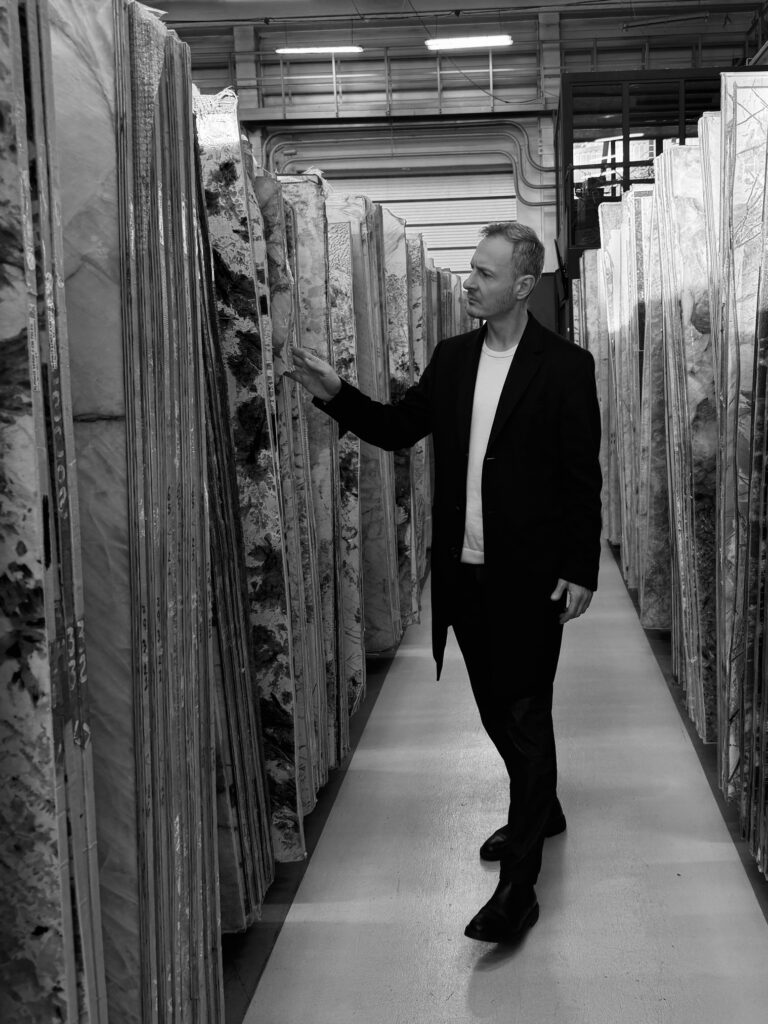
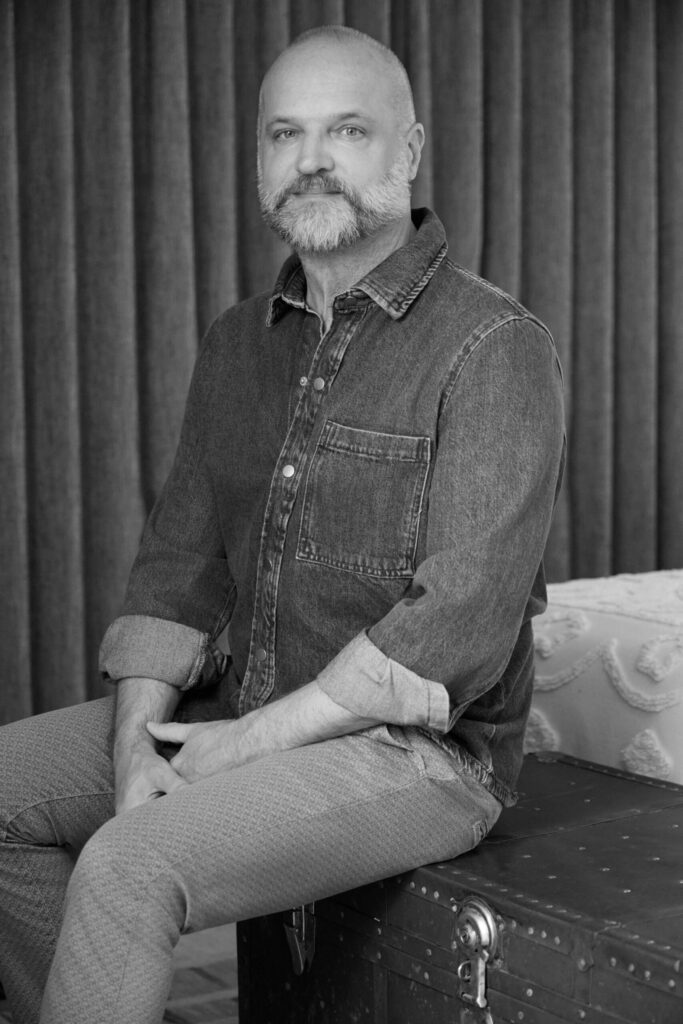
Grzegorz Majka
Grzegorz Majka is a self-taught Polish artist who explores the concepts of modularity, sculptural form, and artisanal processes in the design of furniture and lighting. His work seamlessly blends craft and contemporary design, incorporating high-quality noble materials like natural stone, wood, metals, and hand-blown glass. Guided by a deep respect for the inherent character of materials, Grzegorz highlights natural irregularities, textures, and patterns – veins in stone, the living patina of untreated metals, the organic feel of brushed surfaces. These elements are not hidden but embraced, inviting collectors on a sensory journey through touch and time. His studio practice focuses on handcrafted limited-edition furniture that is not only functional, but also living, authentic, and collectible art.
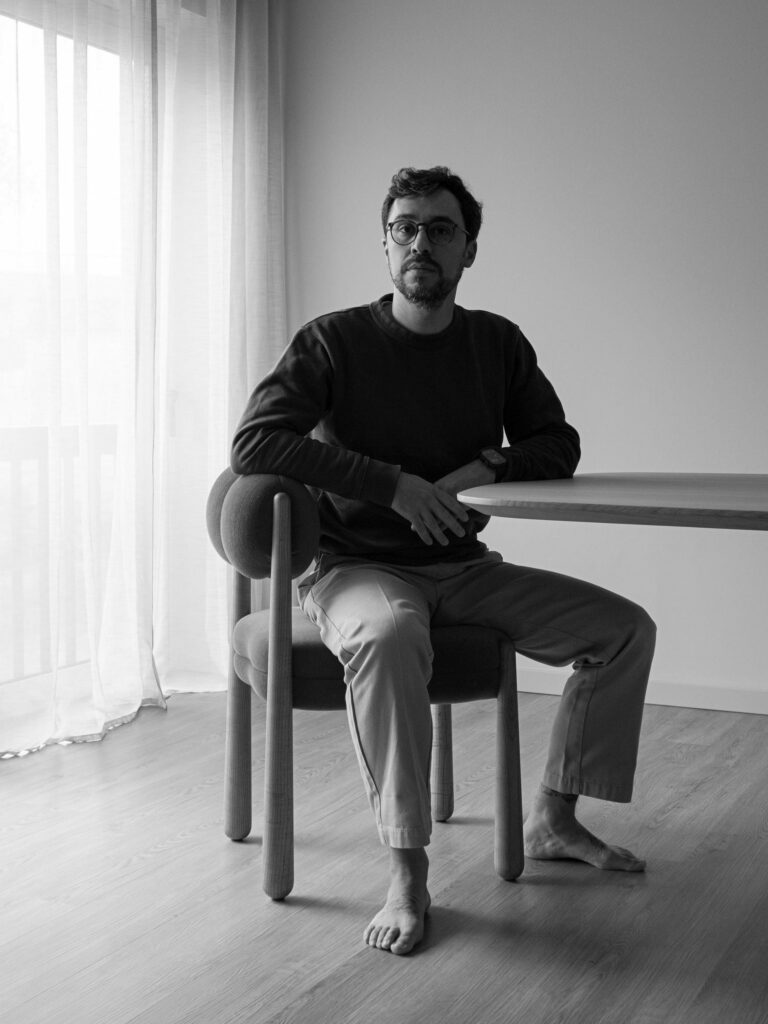
Nelson de Araújo Picks From Philia Collection
Founded by the Portuguese designer Nelson de Araújo, Nelson de Araújo Design is a conscious luxury furniture label born out of the passion for creating inspiring pieces that seamlessly blend beauty, comfort and functionality.
Designed and handcrafted in Portugal by local artisans, the label prioritizes exceptional craftsmanship and high-quality materials for timeless furniture that stands the test of time.
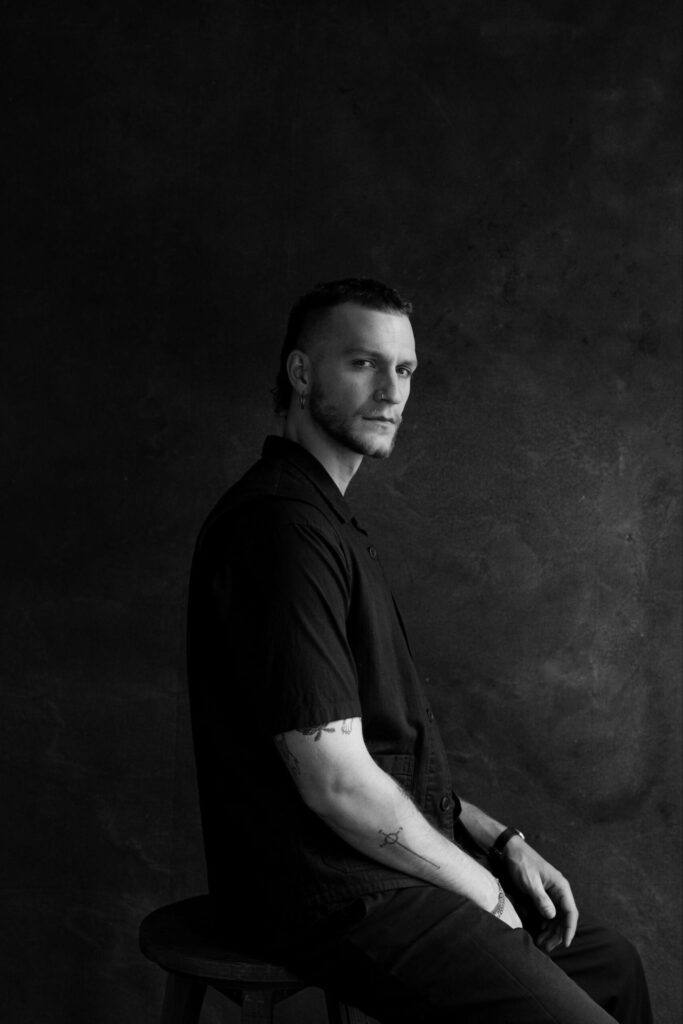
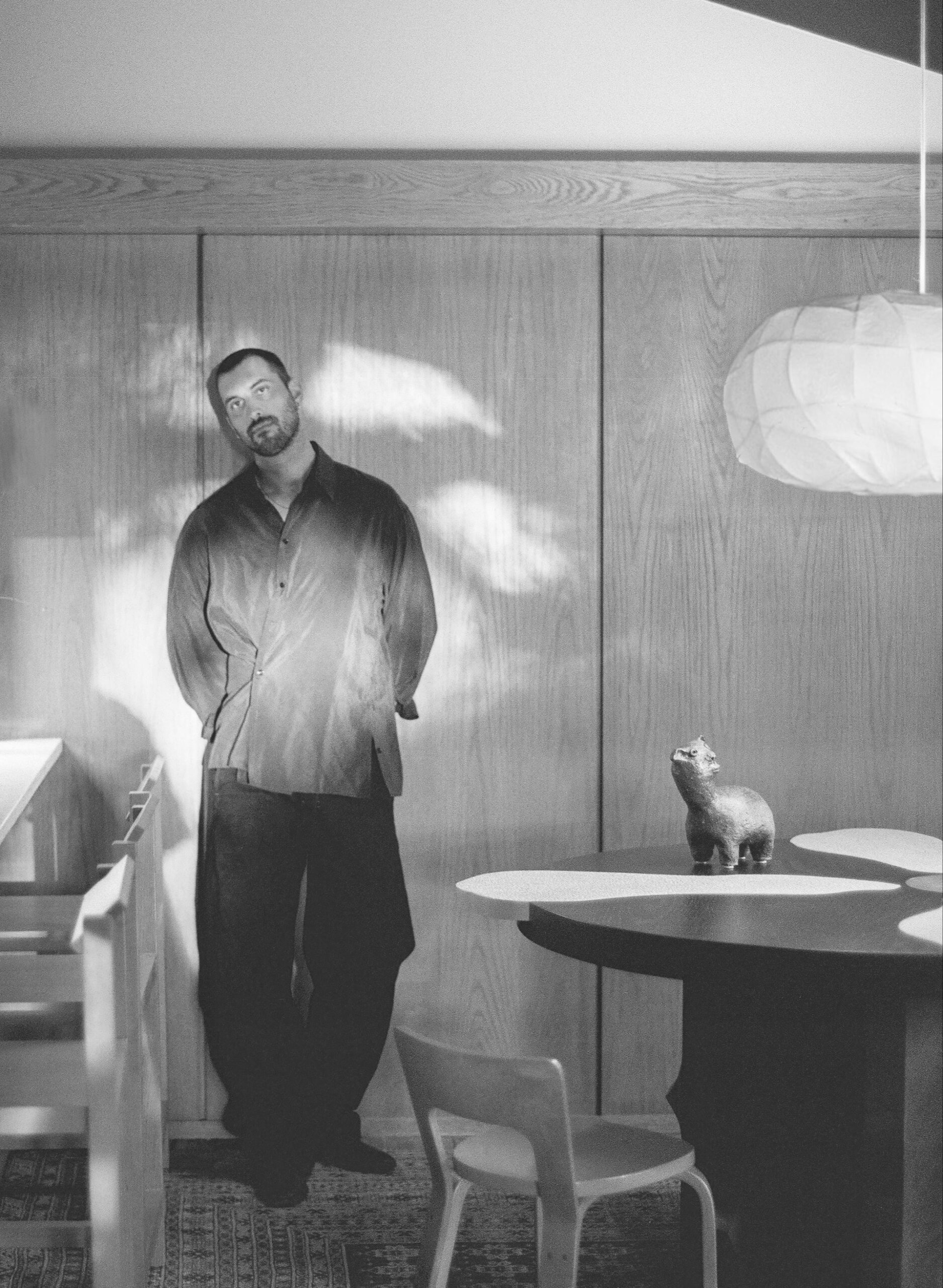
Federico Stefanovich
Federico Stefanovich is a Mexican designer based in Mexico City. His practice focuses on collectible design and the creation of sculptural lighting and objects that explore the interplay between form, light, and materiality. With a visual language that moves between the organic and the geometric, Stefanovich combines digital processes with the mastery of local workshops, celebrating imperfection and the human character of handcraft.
His work is defined by meticulous attention to detail, a constant pursuit of balance, and a deep interest in fostering emotional dialogue between object and user. Each piece reveals layers of process, cultural memory, and collaboration, challenging folkloric clichés to propose a contemporary vision of Mexican design.
Stefanovich’s work has been exhibited at international fairs and galleries, including FOG Design+Art in San Francisco, the Triennale di Milano during Milan Design Week, and 3 Days of Design in Copenhagen, as well as in a solo exhibition at AGO Projects in Mexico City.
In 2025, he was named one of Wallpaper Magazine’s “10 Stars Ascending” and received the People’s Choice Award at the AZ Awards—distinctions that establish him as one of the most relevant emerging voices in today’s global collectible design scene.

KASANAI Picks From Philia Collection
KASANAI is a Belgian design studio founded by Virginie Steeland, whose practice explores the relationship between materiality, form, and craftsmanship through contemporary furniture and collectible objects. Rooted in a minimalist sensibility, the studio creates sculptural pieces defined by refined proportions, tactile surfaces, and a quiet sense of balance. Each work reflects a careful dialogue between function and artistic expression, transforming everyday objects into timeless design statements.
Working with materials such as hand-finished microcement, stainless steel, and burl wood, KASANAI celebrates the intrinsic qualities of each medium while embracing a restrained and enduring aesthetic. Through both standalone works and cohesive collections, the studio develops objects that combine material richness with understated elegance, creating designs that invite contemplation as much as everyday use.

Gisela Simas
Gisela Simas is a Brazilian designer whose work is guided by a quiet restlessness, an innate sense of play, and a deep connection to the legacy of Brazilian modernism. Drawing from lived experience, personal encounters, and the places she has inhabited, her designs emerge from an emotional and intuitive process before being shaped by rigorous thought and craft. Sustainability is central to her practice, informing both material choices and production methods. Through emblematic works such as the Bar Milan, the Lucrécia table, and the Congonhas lamp, Simas explores balance, generosity of form, and functional elegance, while celebrating the richness of Brazilian design on an international stage. Alongside her creative work, she leads her namesake studio with a holistic vision, uniting creation, production, and delivery into a single ecosystem rooted in ethics, beauty, and long-term collaboration.
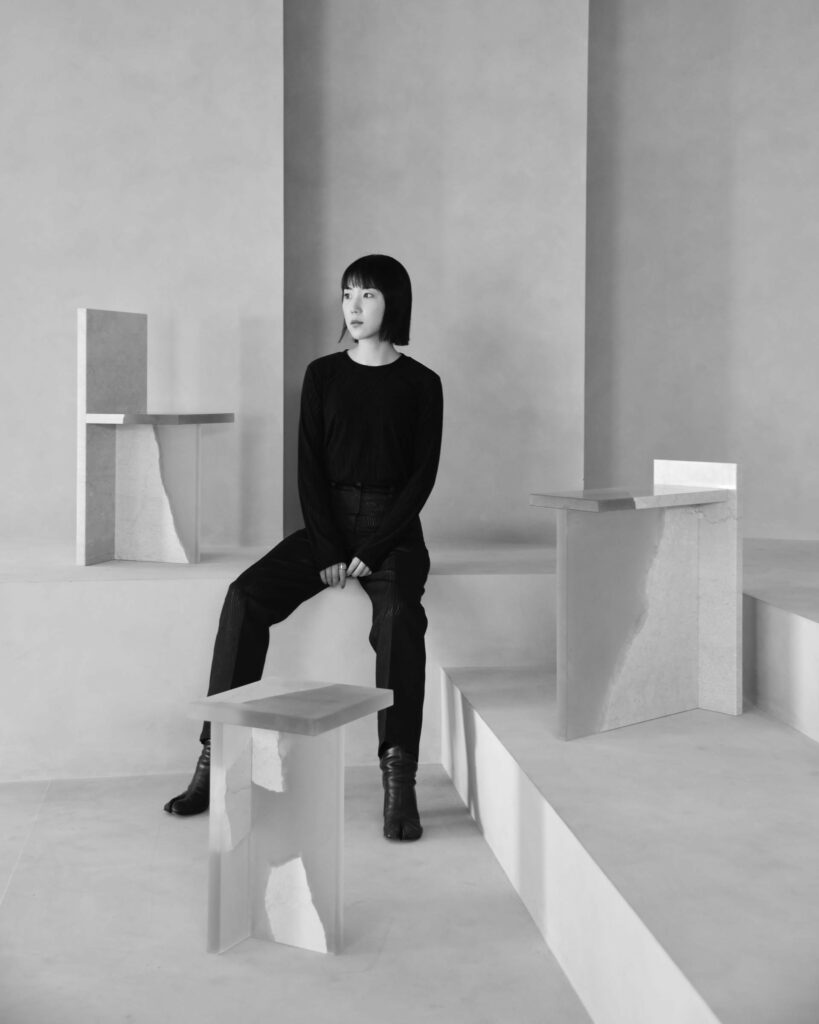
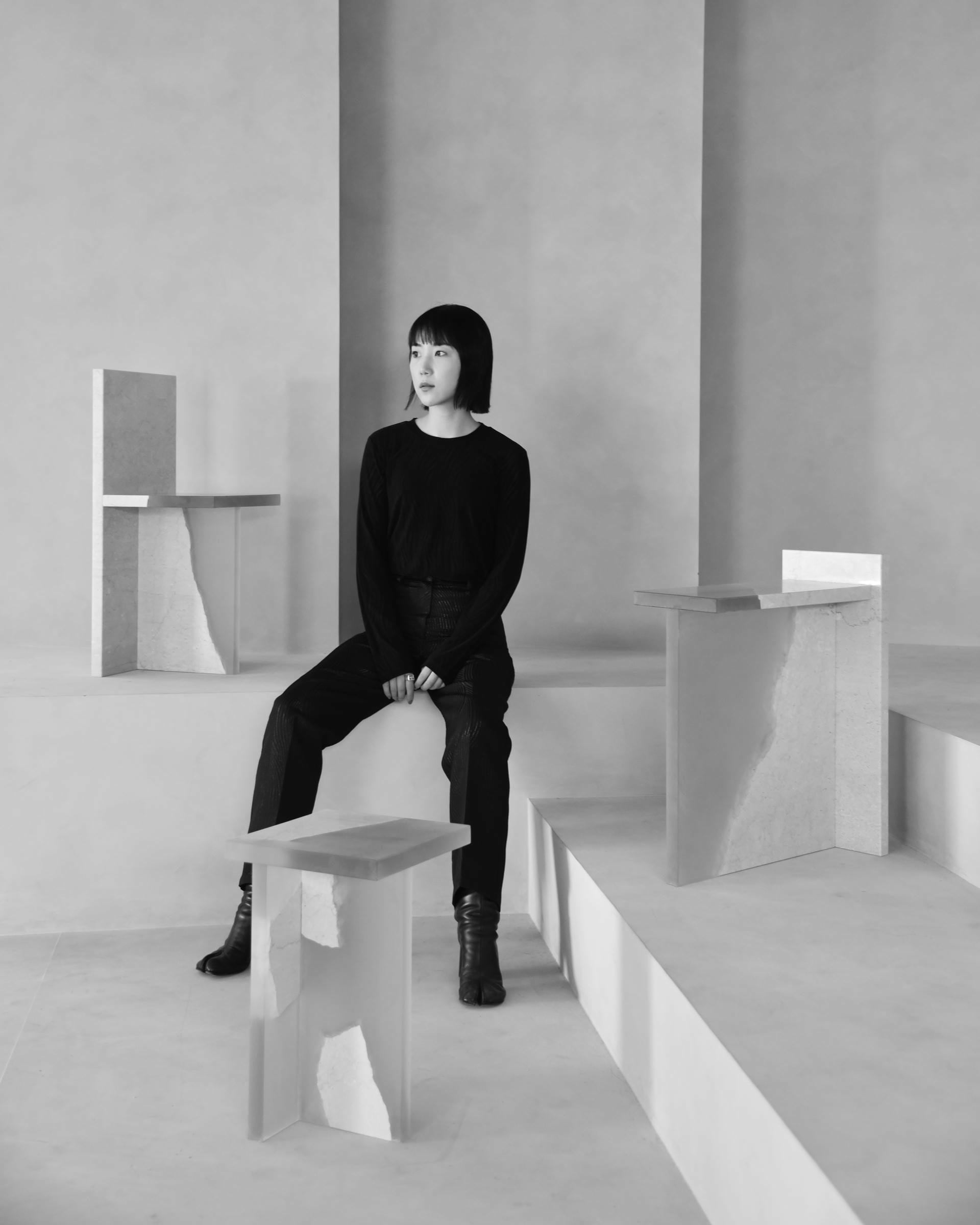
Heakyoung Jang Picks From Philia Collection
Heakyoung Jang is a South Korean designer and the founder of FICT STUDIO, an independent practice established in 2016. Inspired by the phrase “From Craft to Industry,” the studio explores the relationship between traditional craftsmanship and contemporary design, examining how craft can evolve within modern society.
With a background in industrial design, Jang approaches craft as more than a collection of materials and techniques, viewing it as a vessel for culture, memory, and human connection. Through material experimentation and process-based research, her work translates the essential values of craft into a contemporary language, creating objects that explore the intersections of tradition, materiality, technology, and time.