Philia
Magazine
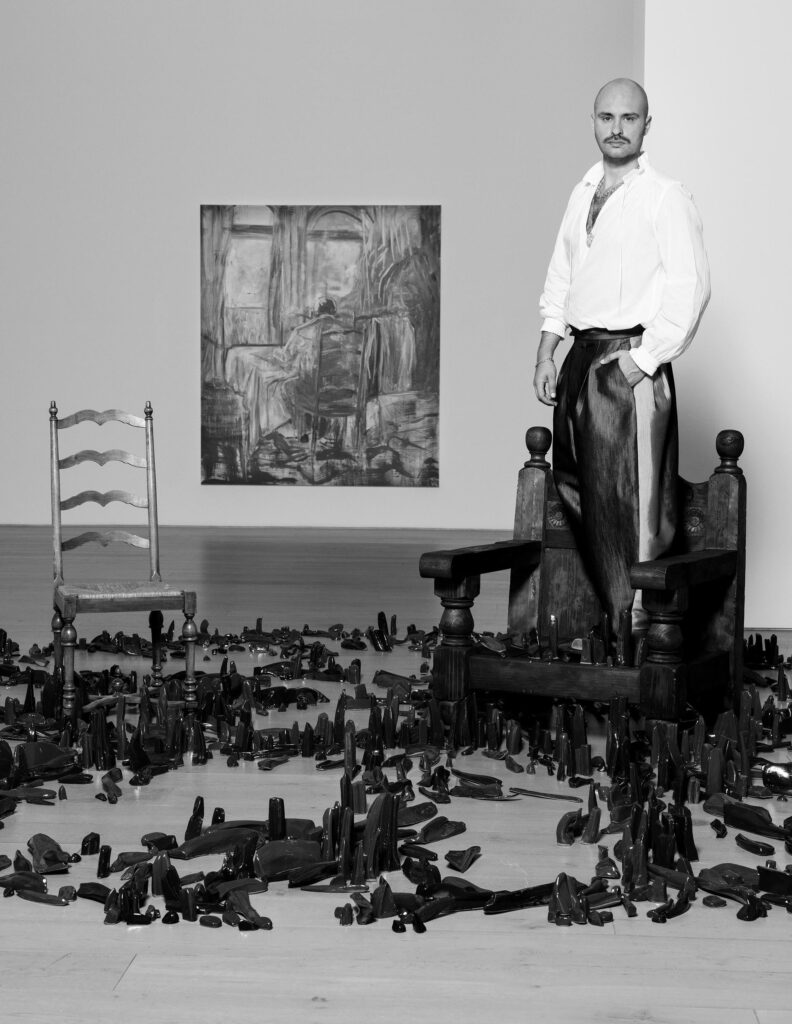
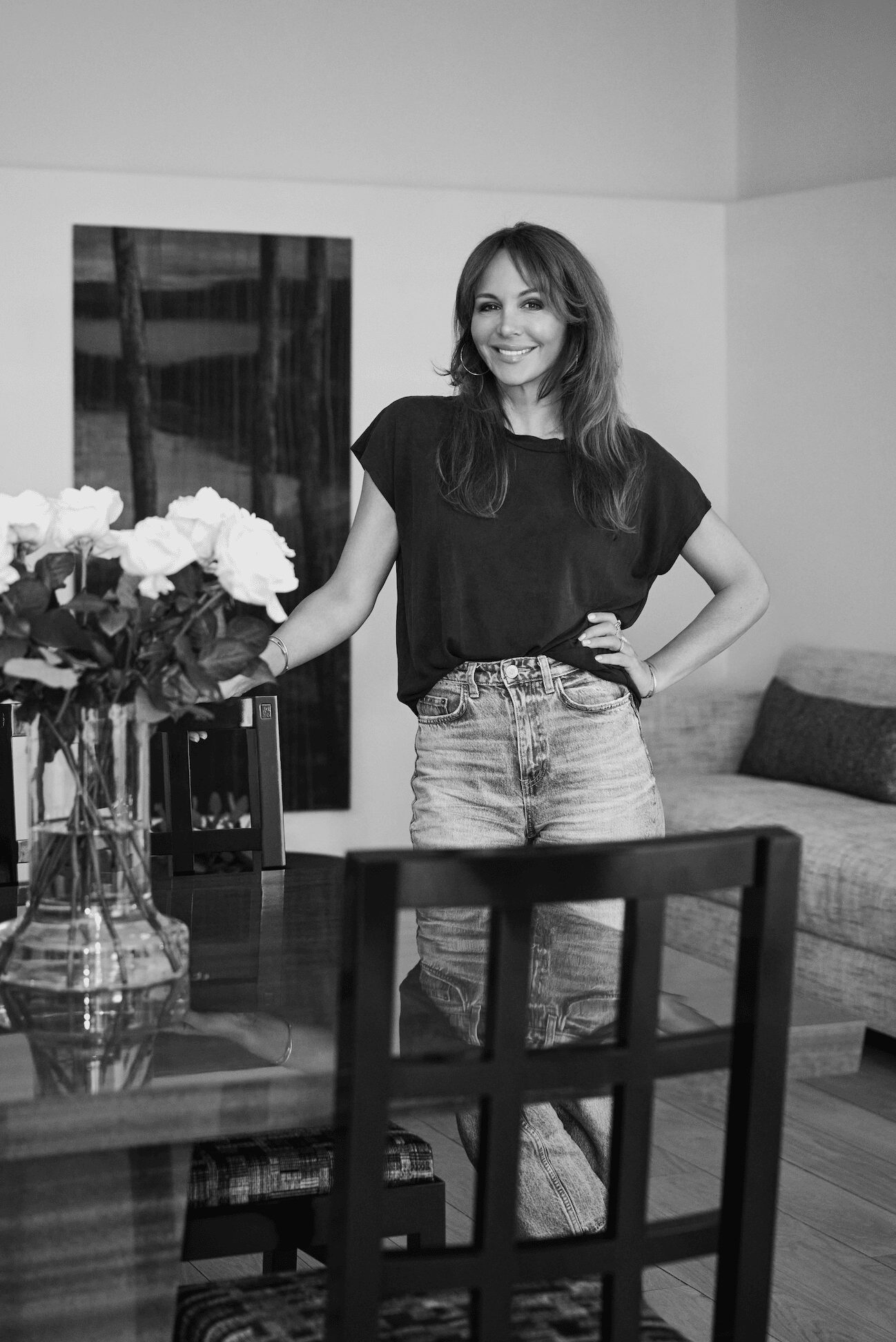
Hugo Toro
Hugo Toro is a French-Mexican architect and multidisciplinary creative whose practice spans architecture, interiors, design, and art. Originally from eastern France, he graduated with a Master’s degree in Interior Architecture from Penninghen in Paris before completing a second Master’s degree in Architecture between Vienna and Los Angeles. From his Paris-based studio, Toro has built an international portfolio including the atelier of Villa Albertine in New York, the Michelin-starred restaurant PUR’ on Place Vendôme, JP at Louis Vuitton in Seoul, and the Orient Express La Minerva in Rome. His work is distinguished by a strong attention to atmosphere, materials, and craftsmanship.
Alongside his architectural practice, Toro works across furniture, drawing, painting, and sculpture. He unveiled his first furniture collection at Christie’s in 2022 and presented Aguas que murmuran at the Institut Culturel du Mexique in Paris in 2025. In 2026, his first solo exhibition in the United States, Ojo de Agua, was presented at Perrotin in New York, bringing together paintings, bronze sculptures, ceramics, and installation. Today, his architectural and artistic practices continue to explore the relationships between space, material, memory, and emotion.
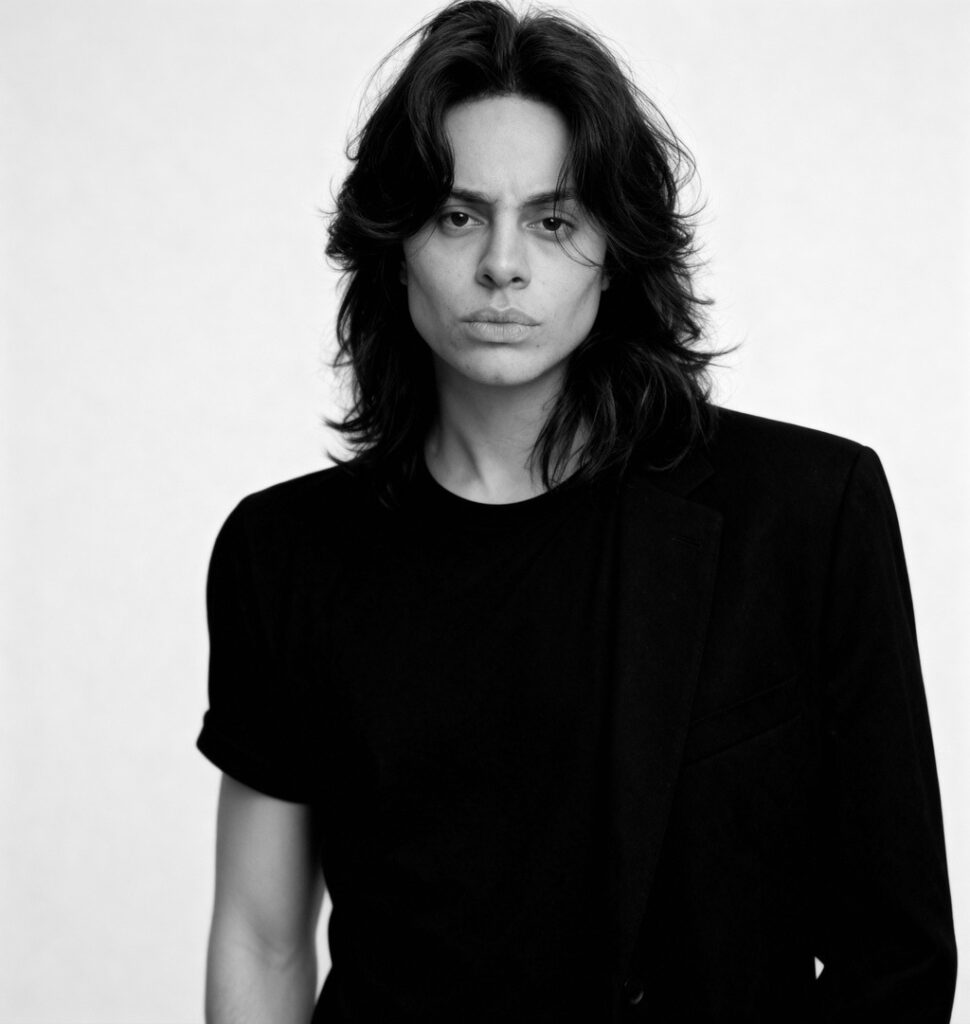
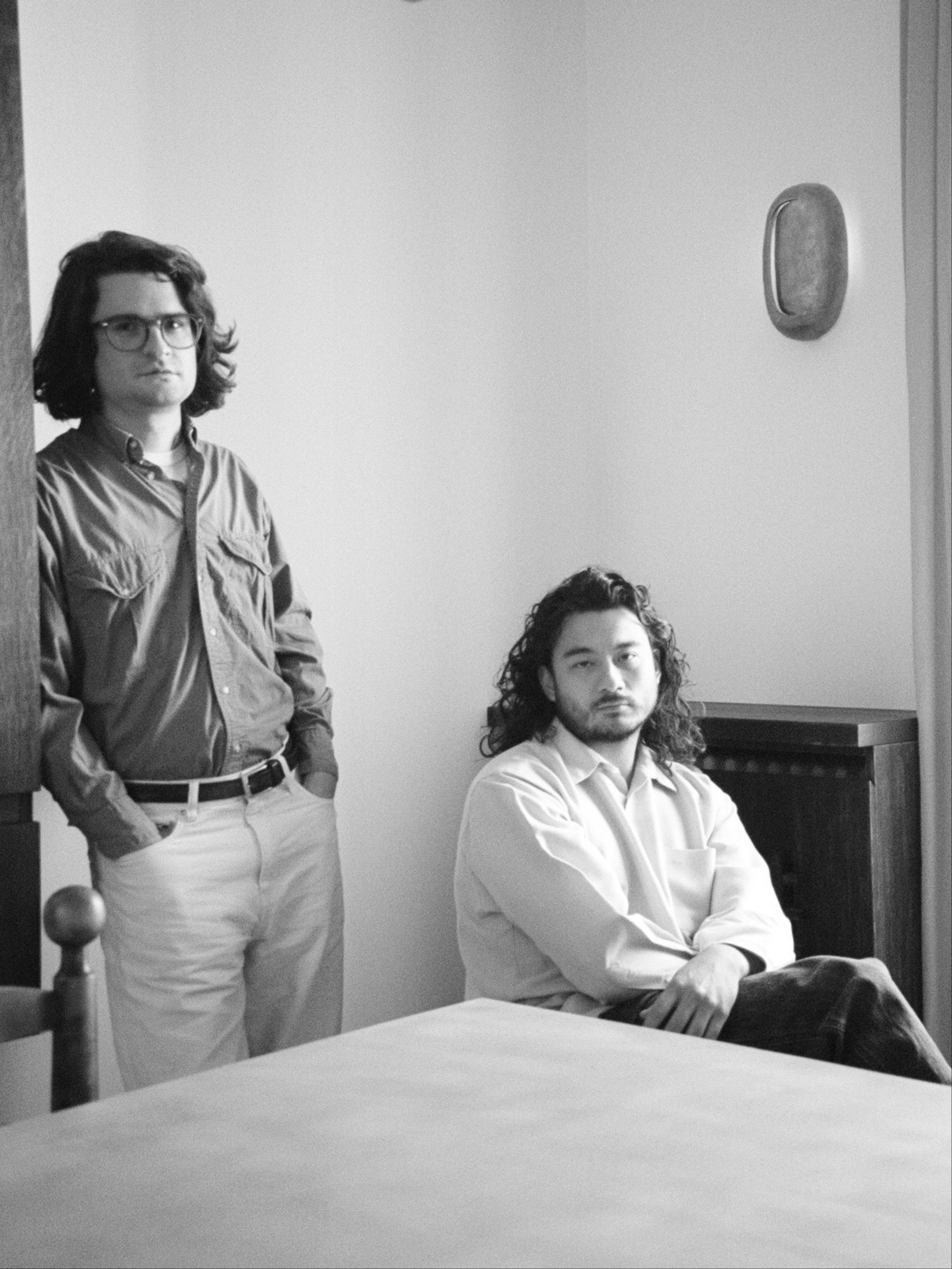
Mateus Dutra
Mateus Dutra is a Brazilian-born designer based in New York and the founder of Atelier Dutré, a practice situated at the intersection of sculpture and function. Drawing from an international background spanning fashion, photography, and interior design, his work is informed by time spent between New York, Paris, and Scandinavia.
Working primarily with stone, Dutra approaches marble as a material of both physical presence and emotional resonance. His practice explores form, proportion, and surface, creating sculptural objects that balance weight with restraint and permanence with a sense of movement.
Rooted in a family lineage connected to stone extraction and craftsmanship, his work reflects an ongoing dialogue between inherited knowledge and contemporary experimentation. Through furniture and spatial objects, Dutra reinterprets traditional materials for a contemporary context, seeking to create pieces that are both grounded and enduring.
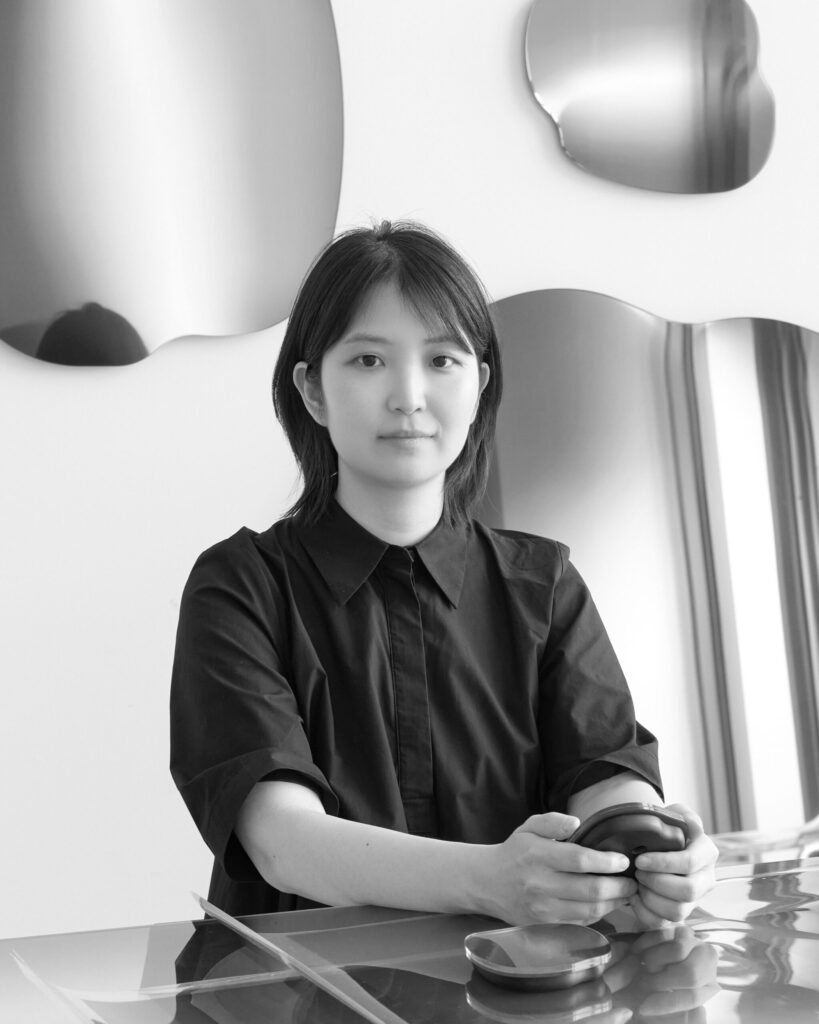
Studio Chacha Picks From Philia Collection
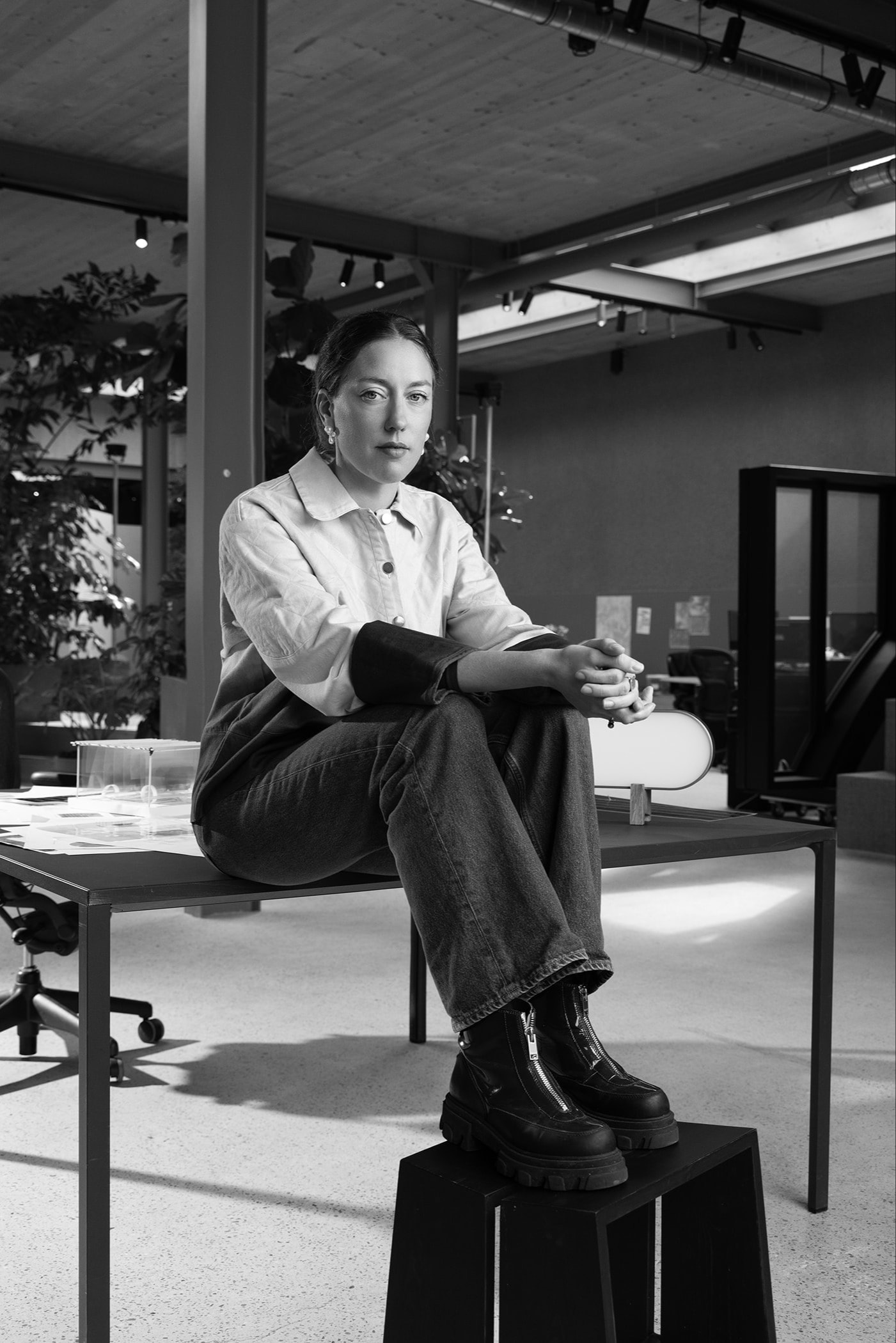
Studio Chacha, founded by Cha Shin-sil, is a Seoul-based design studio working primarily with glass. Her practice explores the delicate balance between control and unpredictability inherent in the material, embracing the transformative qualities of heat, light, and transparency.
Through experimental processes, Cha reinterprets familiar forms into sculptural objects that blur the boundary between function and art. By layering colors, altering geometric structures, and manipulating glass through lampworking techniques, her work creates optical depth and shifting visual effects that invite closer observation.
Positioned between collectible design and material exploration, Studio Chacha produces objects and furniture that emphasize the expressive potential of glass, where subtle variations in color, texture, and form transform everyday typologies into unexpected visual experiences.
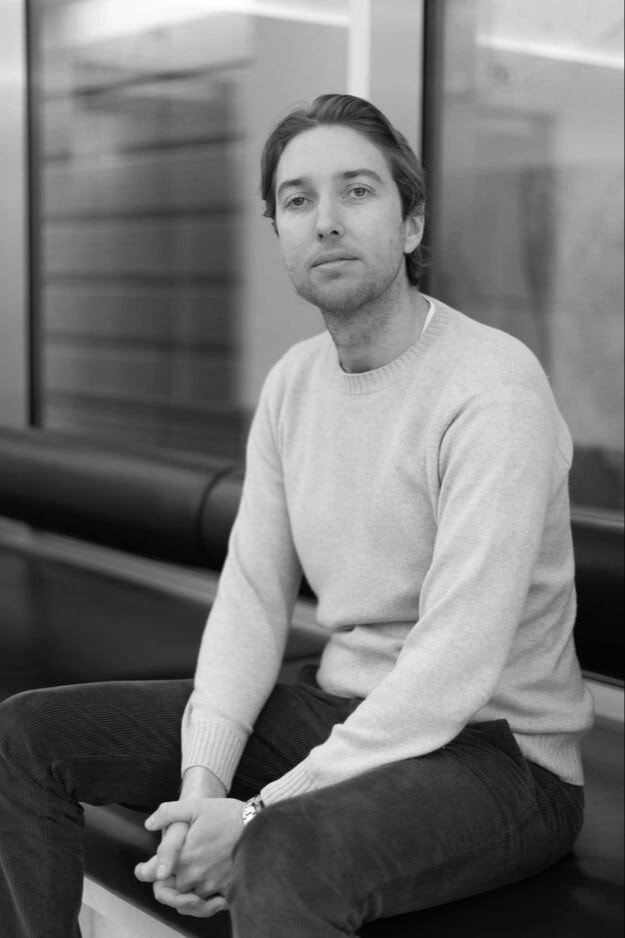
Gabriel Chipperfield – Wendover
Gabriel Chipperfield is the Managing Director and Co-Founder of Wendover, where he oversees the company’s strategic direction and day-to-day operations from its London office. With a background spanning business and design, he studied Business Management at King’s College London and Industrial Design at the University of the Arts London.
His early professional experience took him across Paris, Switzerland, and Japan, shaping a global perspective on design and development. He later joined David Chipperfield Architects in a business development role, before establishing his own practice, Gabriel Chipperfield Limited, in 2014.
From 2016, he worked closely with Jan-Paul on the development and delivery of a growing body of projects, a collaboration that ultimately led to the founding of Wendover in 2020. His work today reflects a balance between strategic thinking and a deep engagement with the design process.
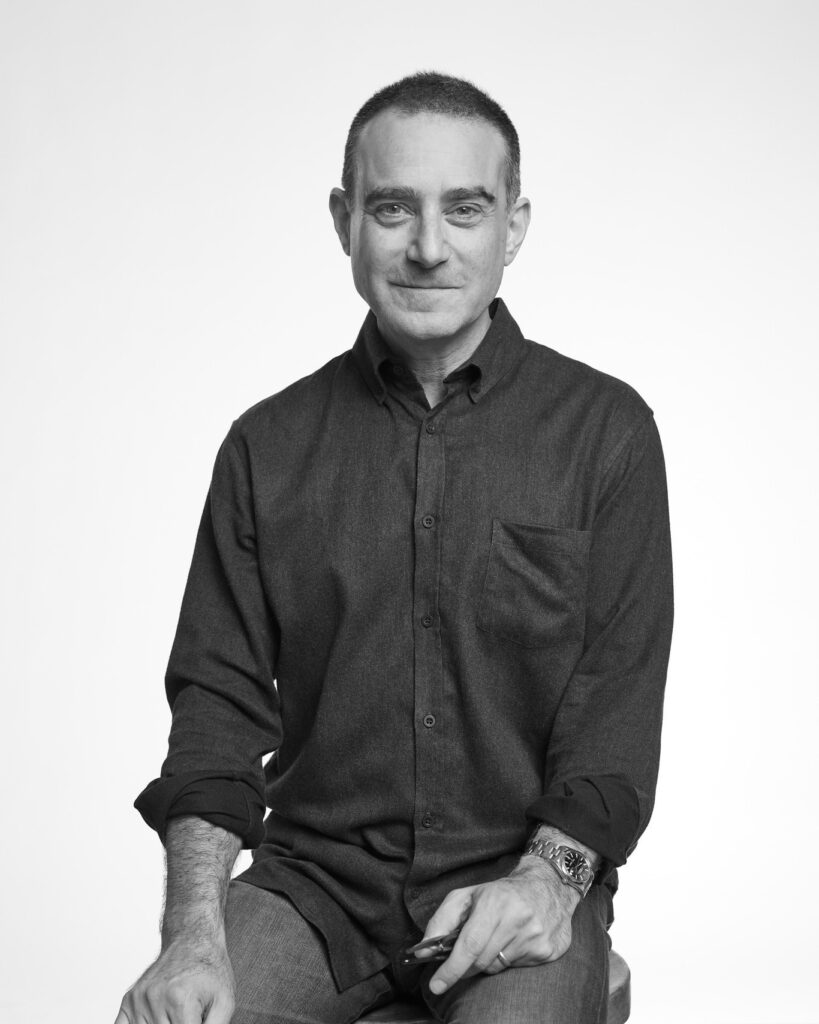
Drew Lang
Drew Lang is the founding principal of Lang Architecture, a New York–based practice recognized for its thoughtful approach to spatial design and material expression. He holds a Master of Architecture from Yale University and is a licensed architect in New York, New Jersey, Pennsylvania, and Louisiana.
At the helm of the studio, Lang defines the conceptual direction of each project, working closely with collaborators and clients to create spaces that are both grounded and enduring. His work reflects a sensitivity to context, where architecture becomes a medium to shape lived experience through light, material, and form.
Born in New Orleans, Lang’s early connection to place continues to inform his practice, particularly in the way natural and built environments intersect in everyday life. Beyond his architectural work, he founded the Faubourg St. Roch Project, a non-profit initiative dedicated to the revitalization of one of New Orleans’ historic neighborhoods, reinforcing his ongoing engagement with community and cultural continuity.
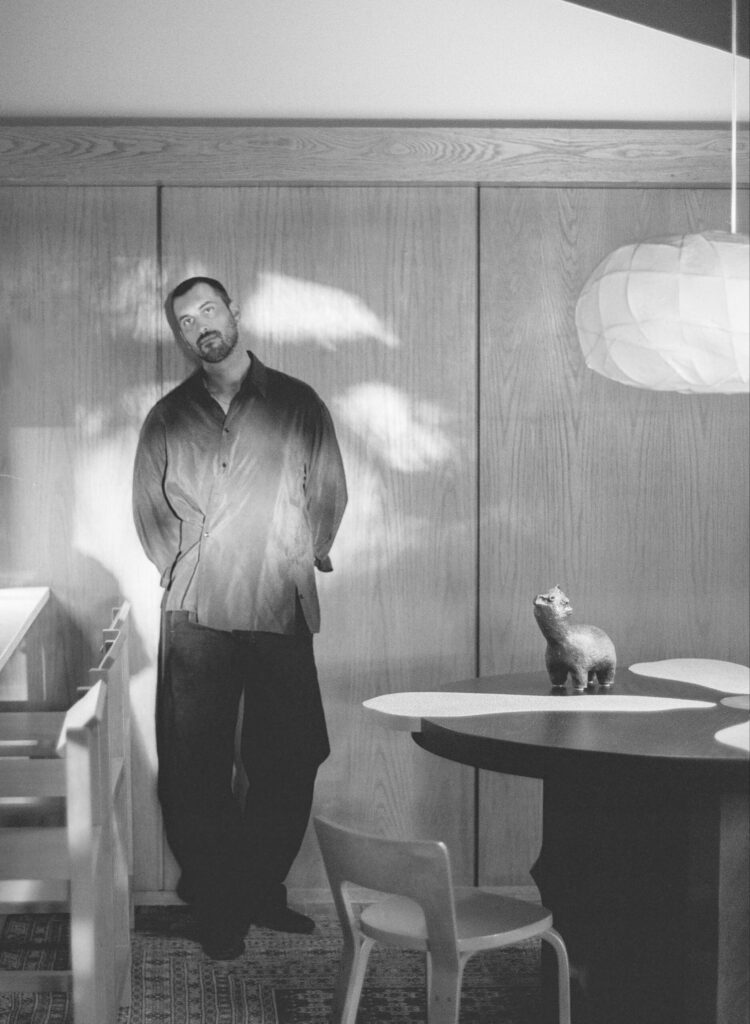
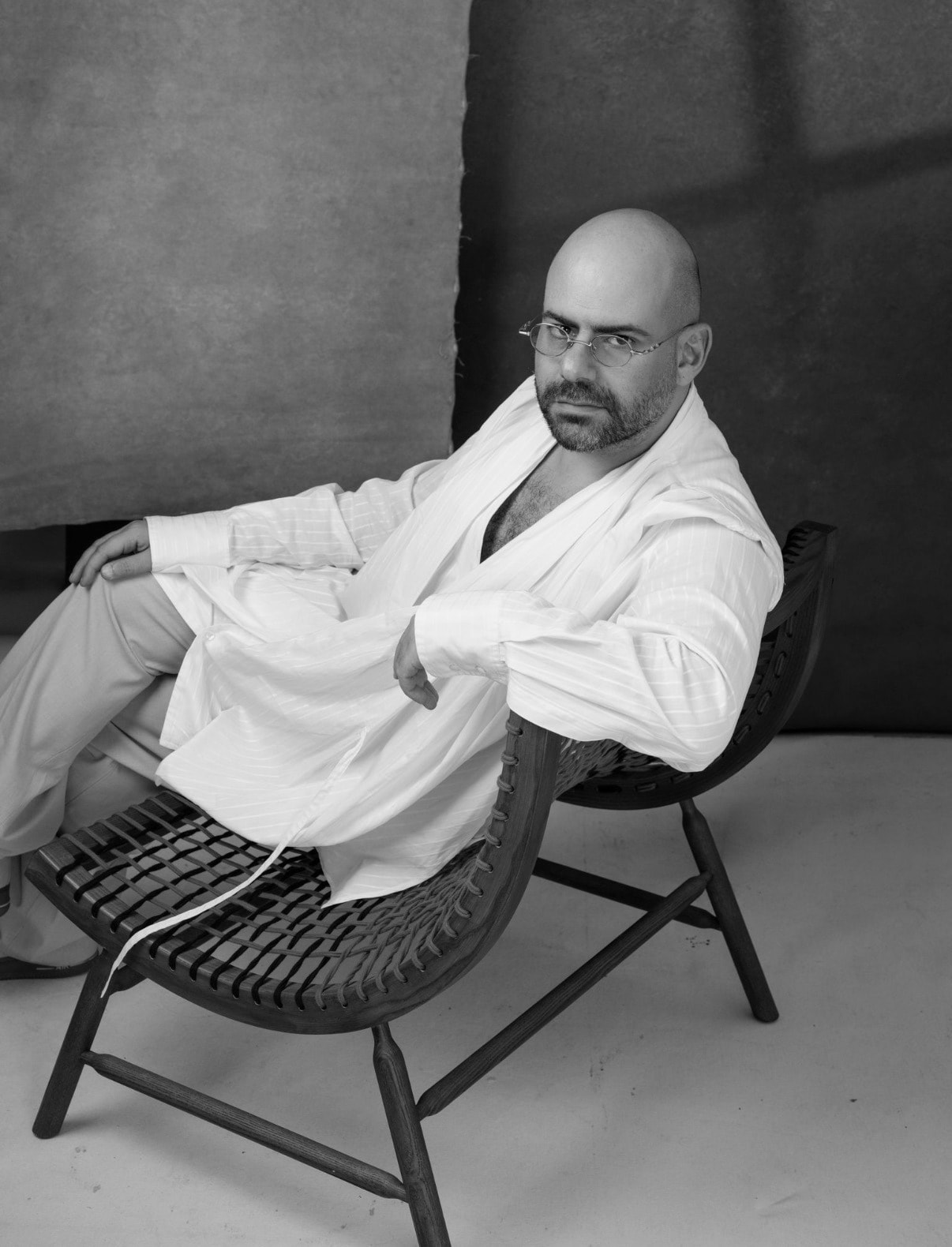
Nicholas Bijan Pourfard
Nicholas Bijan Pourfard is a Southern California-based designer whose work moves between furniture and collectible design, shaped by an early foundation in luthiery. After crafting over 400 bespoke guitars under his label Prisma Guitars, he transitioned toward furniture as a means to expand his exploration of form, material, and expression.
His practice is driven by a dialogue between structure and movement, where materials are not only shaped but activated, giving rise to objects that feel both dynamic and grounded. Through a process rooted in making, Pourfard develops a sculptural language that balances tension and fluidity, precision and intuition.
Blending traditional craftsmanship with a contemporary sensibility, his work reflects a deeply personal approach to design — one where each piece becomes an extension of identity, narrative, and transformation.
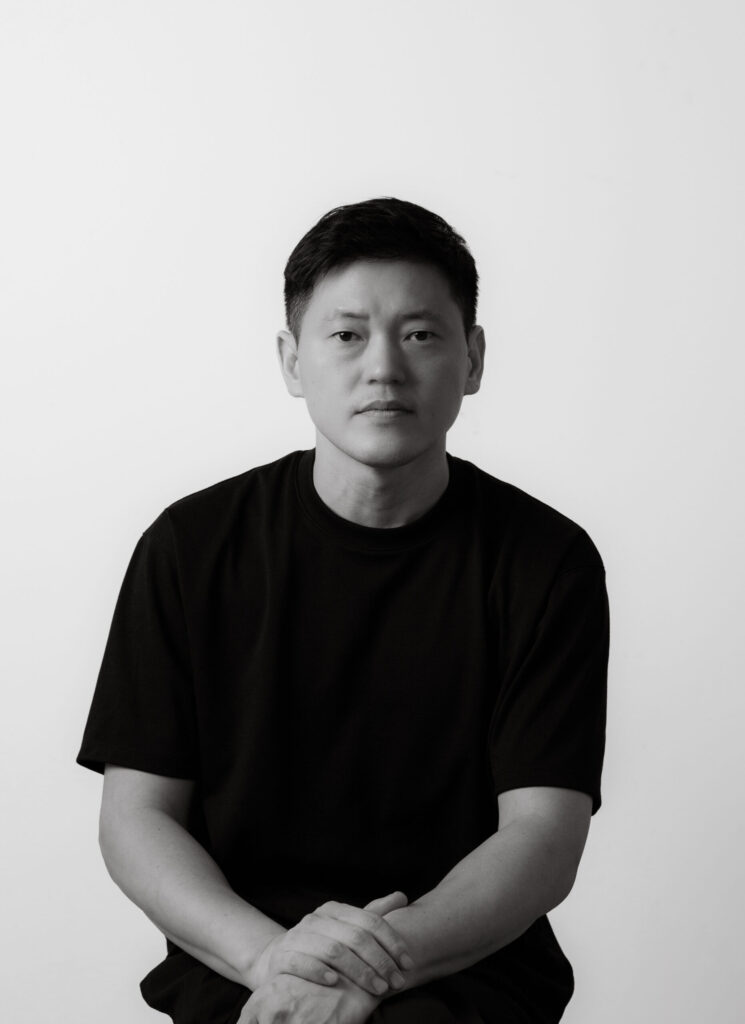
Hyungshin Hwang 5 Picks From Philia Collection
Hyungshin Hwang is a Seoul-based designer whose work explores memory, materiality, and structure through furniture and objects. Trained in woodworking and furniture design at Hongik University, where he earned both his BFA and MFA, Hwang develops a restrained visual language that translates everyday experiences and emotional narratives into carefully crafted forms.
Central to his practice is the ongoing Layered Series, first introduced at the Korea International Art Fair in 2007. Through modular construction and layered surfaces, the series reflects the accumulation of time, memory, and lived experience. Hwang’s work has been exhibited internationally at Milan Design Week, DMY Berlin, Design Days Dubai, and Art Beijing, and presented at institutions including La Triennale di Milano and the Korea Craft & Design Foundation.