Philia
Magazine
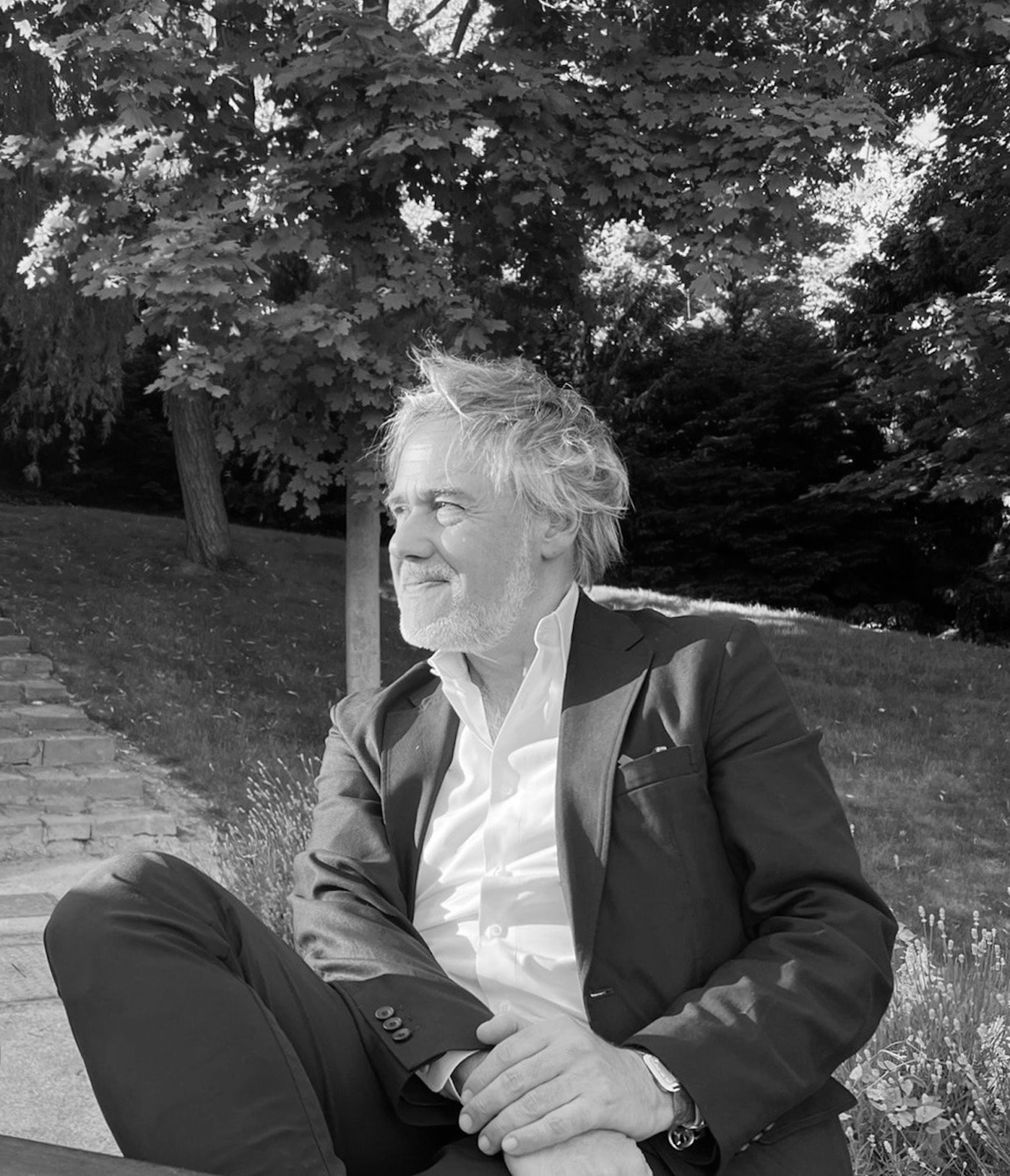
Brendan MacFarlane – Jakob+MacFarlane
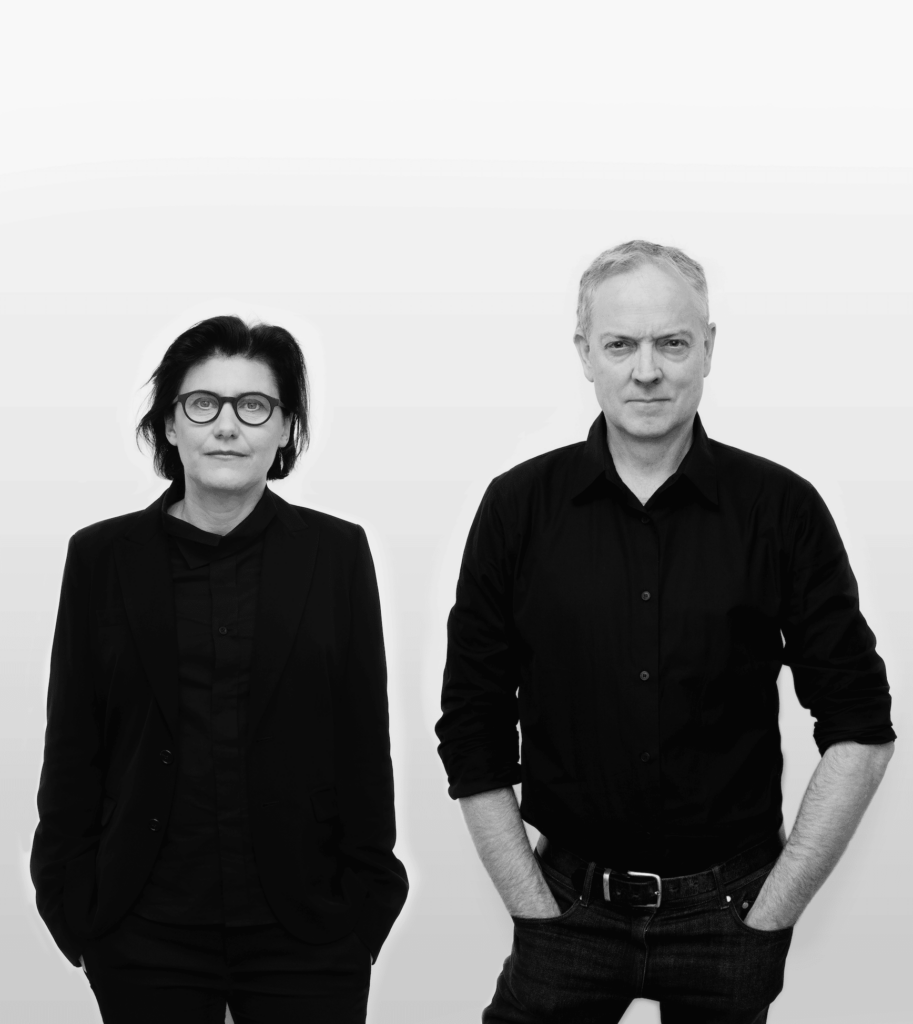
Brendan MacFarlane is a New Zealand-born architect and co-founder of the Paris-based architecture, urbanism, research and design practice Jakob+MacFarlane, established with Dominique Jakob in 1998. A graduate of SCI-Arc, he received his master’s degree from the Harvard Graduate School of Design.
Through Jakob+MacFarlane, MacFarlane has developed an experimental and socially engaged approach to architecture, responding to contemporary environmental, cultural and urban challenges. Key projects include the Frac Centre-Val de Loire, the Orange Cube, the Docks – Cité de la Mode et du Design and Restaurant Georges at the Centre Pompidou. In 2025, the practice represented France at the Venice Biennale of Architecture, in association with Eric Daniel-Lacombe and Martin Duplantier, with Living With, exploring adaptation to climate and geopolitical crises.
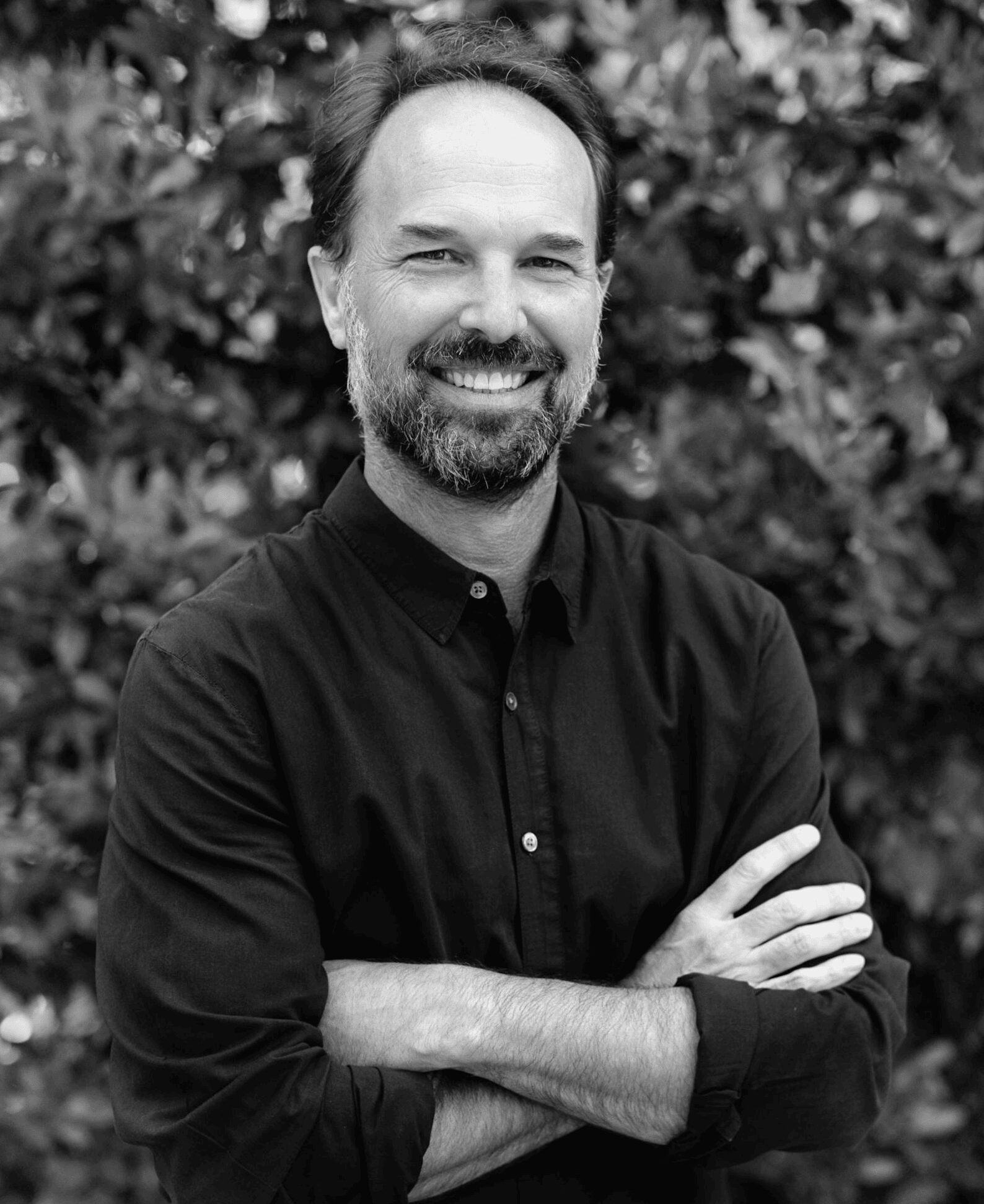
Sérgio Rebelo
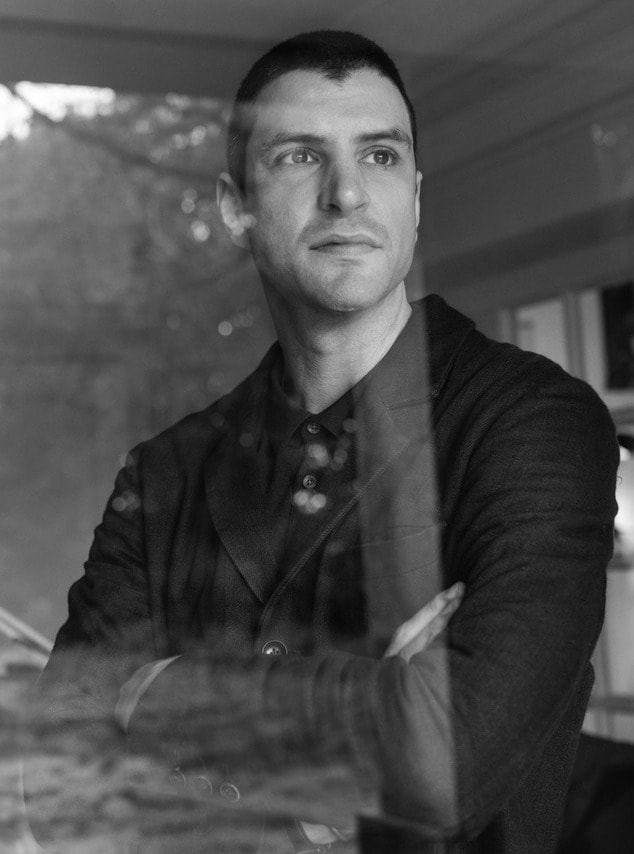
Sérgio Rebelo is a Portuguese architect and designer and the founder of Sérgio Rebelo Atelier, an independent architecture and design practice established in Porto in 2018. He studied architecture at the University of Porto in Portugal and the École Polytechnique Fédérale de Lausanne in Switzerland, developing an international perspective that would continue to shape his professional trajectory. In 2010, Rebelo also served as a thesis reviewer at Columbia University’s Graduate School of Architecture, Planning and Preservation (GSAPP) in New York.
Prior to founding his own atelier, Rebelo was Design Director at FR-EE (Fernando Romero Enterprise) in New York City, where he contributed to major architectural projects on an international scale. During his tenure, he played a leading role in projects including the construction of the Soumaya Museum and the winning competition proposal for Mexico City’s New International Airport. Through Sérgio Rebelo Atelier, he has since developed an independent practice spanning architecture and design, building on the experience gained through his work across Portugal, Switzerland, Mexico and the United States.
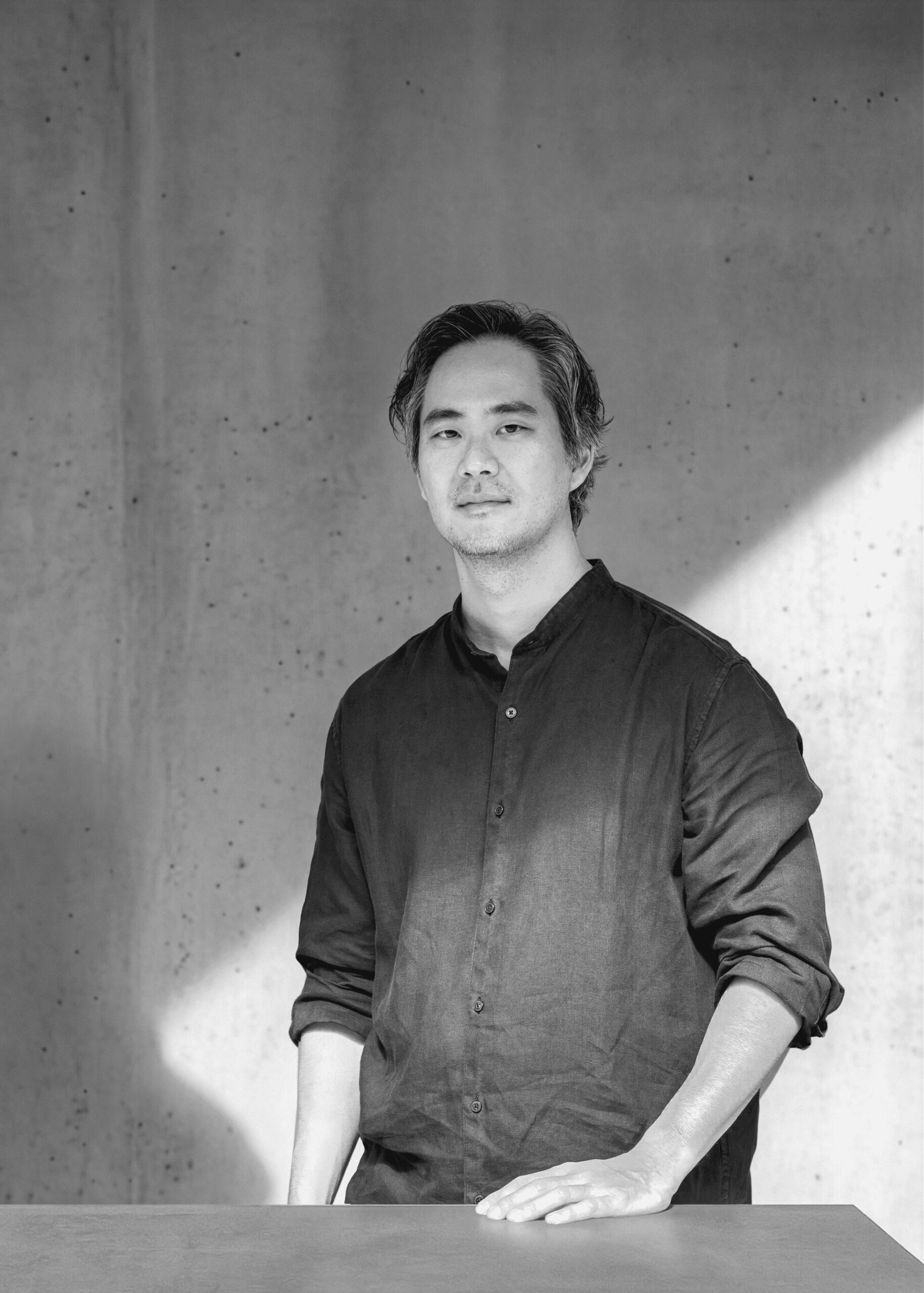
Increments Studio
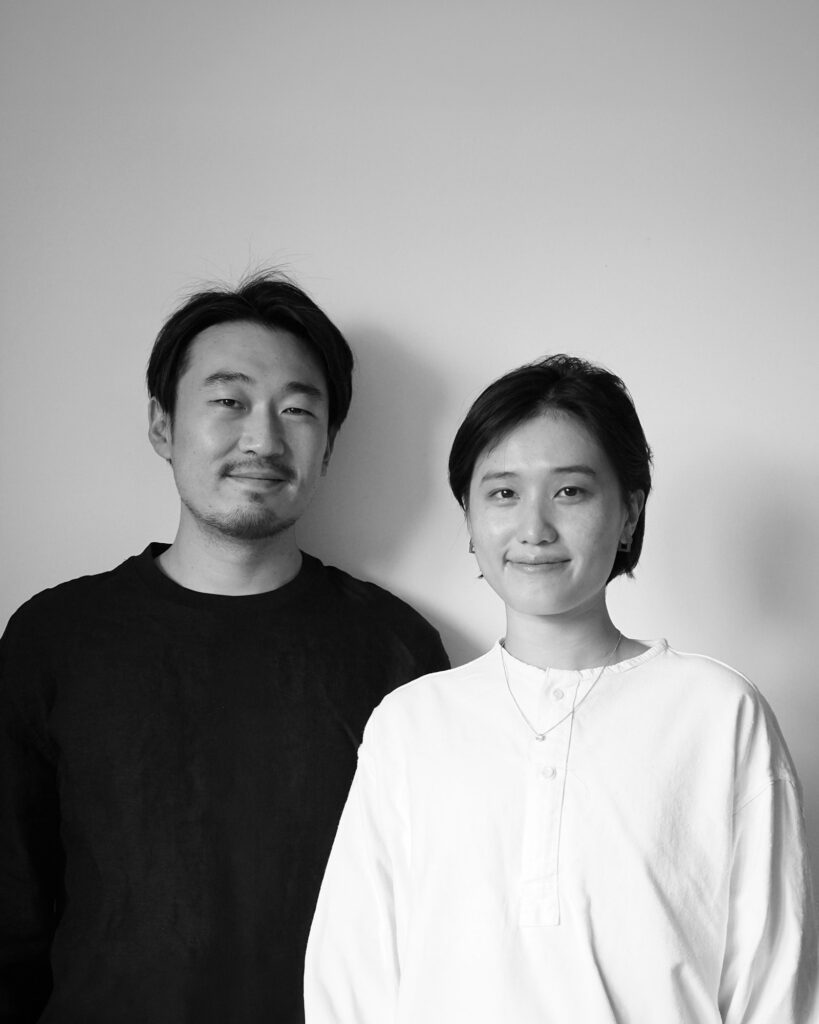
Increments Studio is a Melbourne-based architecture practice founded by Naomi Ng and Liang Hu, whose work explores the intersection of architecture, interiors, and spatial experience. Guided by a philosophy that architecture should resonate rather than demand attention, the studio creates spaces defined by quiet restraint, material sensitivity, and a profound connection to their surroundings.
Approaching each project as a unique response to its context and users, Increments Studio places particular emphasis on light, materiality, proportion, and atmosphere, crafting environments that are both grounded and poetic. Their practice spans residential, hospitality, cultural, and installation projects, united by a commitment to resource-conscious design and meaningful human experience. Recognised internationally, the studio’s work has received accolades including the Dezeen Awards and Architizer A+Awards, reflecting an approach where architecture becomes a vehicle for reflection, belonging, and enduring emotional resonance.
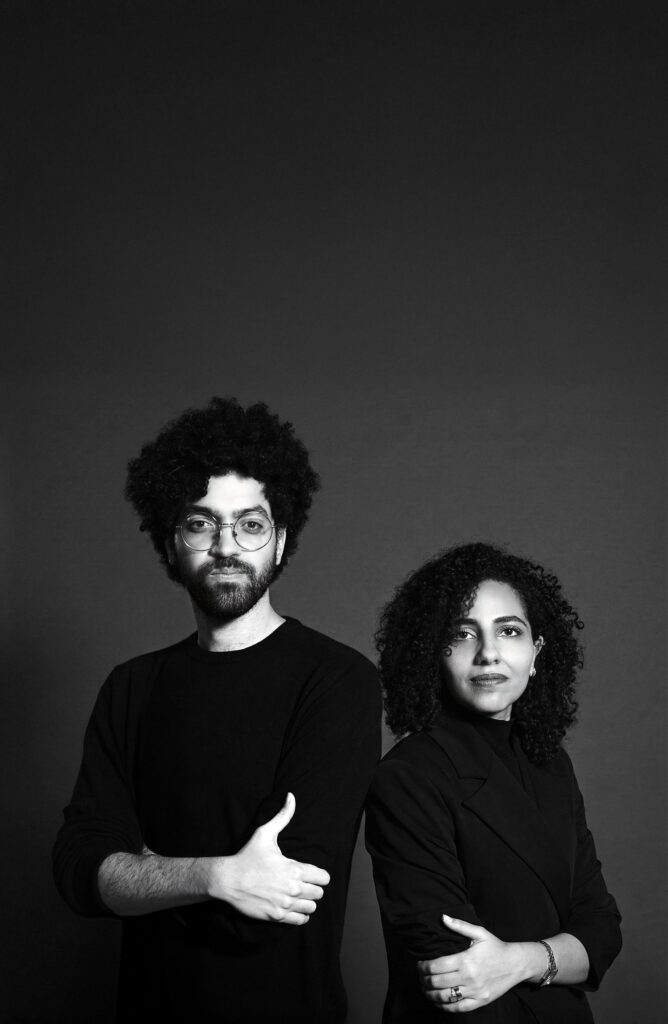
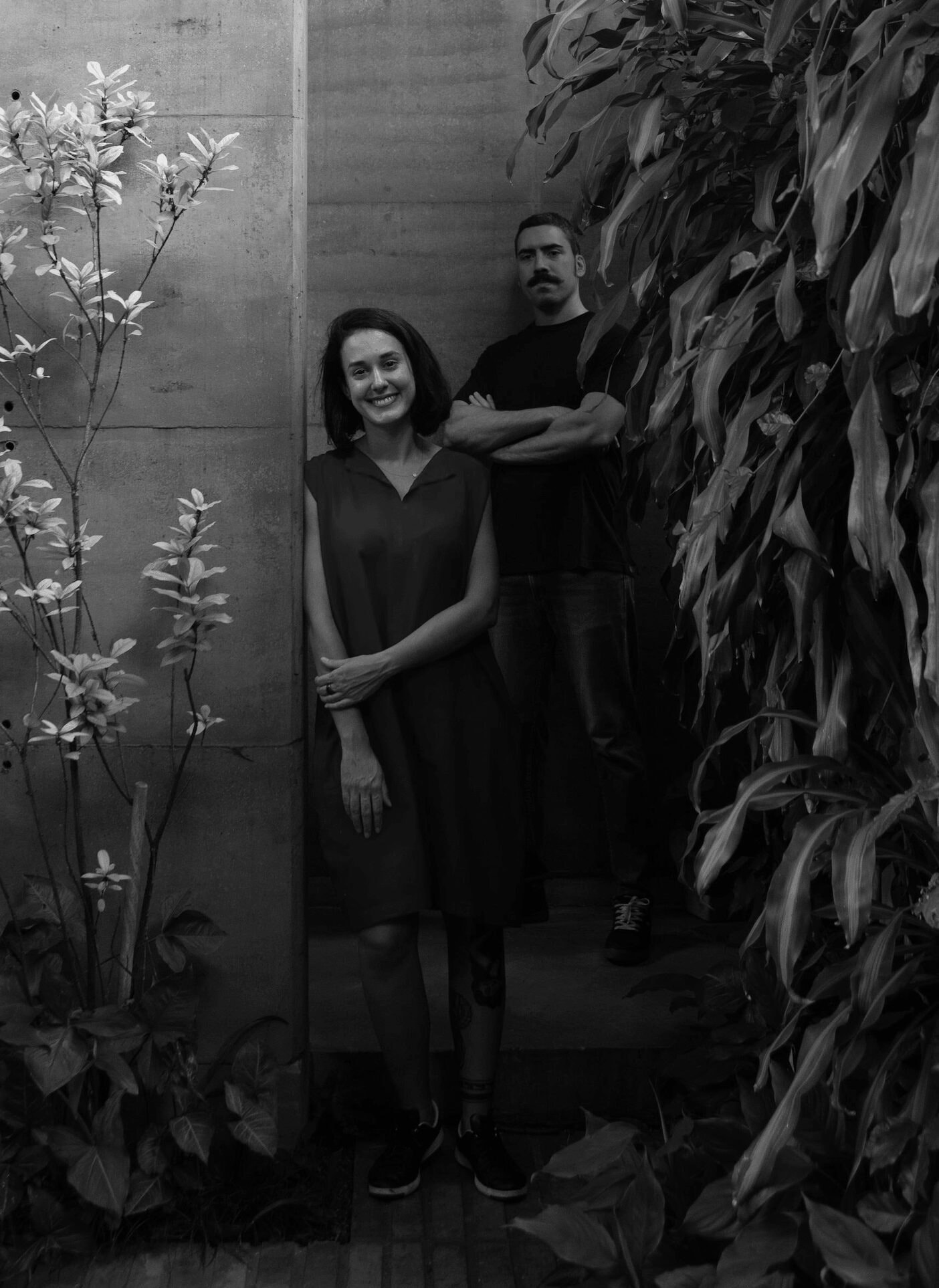
UNFORMED DESIGN
UNFORMED DESIGN is a transdisciplinary architecture practice founded by Hassan Elgendy and Nahed Zmeter, operating between Milan and Cairo. Working across architecture, landscape, interiors, and urban design, the studio explores design as a medium for storytelling, spatial experience, and dialogue with place. Drawing on experience across Europe, Asia, and the Middle East, its practice is shaped by a deep sensitivity to context, culture, and human perception, approaching each project as a response to its unique social, environmental, and historical conditions.
Working across multiple scales, from intimate interiors and installations to cultural, civic, and urban projects, UNFORMED DESIGN balances conceptual thinking with material exploration and craftsmanship. The studio has received international recognition through numerous award-winning competition entries, with projects spanning Europe, Asia, North America, and the Middle East. Rooted in a multidisciplinary approach, the practice continues to investigate how architecture can foster meaningful experiences while creating spaces that are both emotionally resonant and firmly grounded in their surroundings.
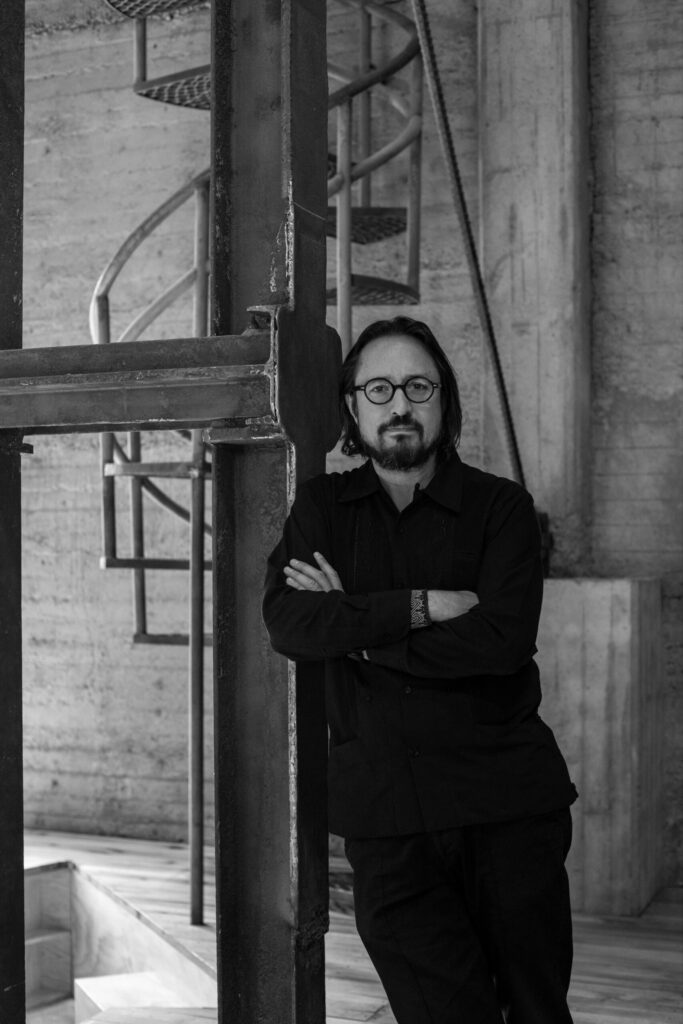
Javier Sánchez
Javier Sánchez is the founding partner and principal of JSa, the Mexico City-based architecture studio he established while studying at Columbia University’s Graduate School of Architecture, Planning and Preservation (GSAPP). Raised in a family of architects, he has developed a practice that spans housing, cultural, commercial, and mixed-use projects, while playing a significant role in the regeneration of Mexico City’s historic neighbourhoods through architecture and urban development.
Over the past three decades, Sánchez has become widely recognised for his work in heritage rehabilitation and for creating resilient, mixed-use environments that respond to the evolving needs of contemporary cities. Increasingly focused on architecture’s environmental responsibilities, his recent work explores self-sustaining design strategies that integrate social, cultural, and ecological considerations. Rooted in the rich urban fabric of Mexico City, his practice continues to demonstrate how architecture can shape more connected, inclusive, and enduring communities.

Michel Rojkind
Michel Rojkind is a Mexican architect and founder of Rojkind Arquitectos, an internationally acclaimed practice based in Mexico City. Since establishing the studio in 2002, he has developed a multidisciplinary approach that brings together architecture, urban strategy, business innovation, and design to create projects that respond to contemporary social and cultural challenges. His work is driven by collaboration and experimentation, transforming architecture into a platform for dialogue, community, and meaningful public engagement.
Spanning cultural institutions, hospitality, commercial, and residential projects, Rojkind’s portfolio includes landmarks such as the Cineteca Nacional, Mercado Roma, HighPark, the José Cuervo Metadistillery, and The Ledger in Bentonville, Arkansas. His work has earned widespread international recognition, with numerous awards and publications highlighting his contribution to contemporary architecture. Through Rojkind Arquitectos, he continues to explore architecture as a catalyst for innovation, shaping spaces that foster connection while redefining the relationship between people, cities, and the built environment.
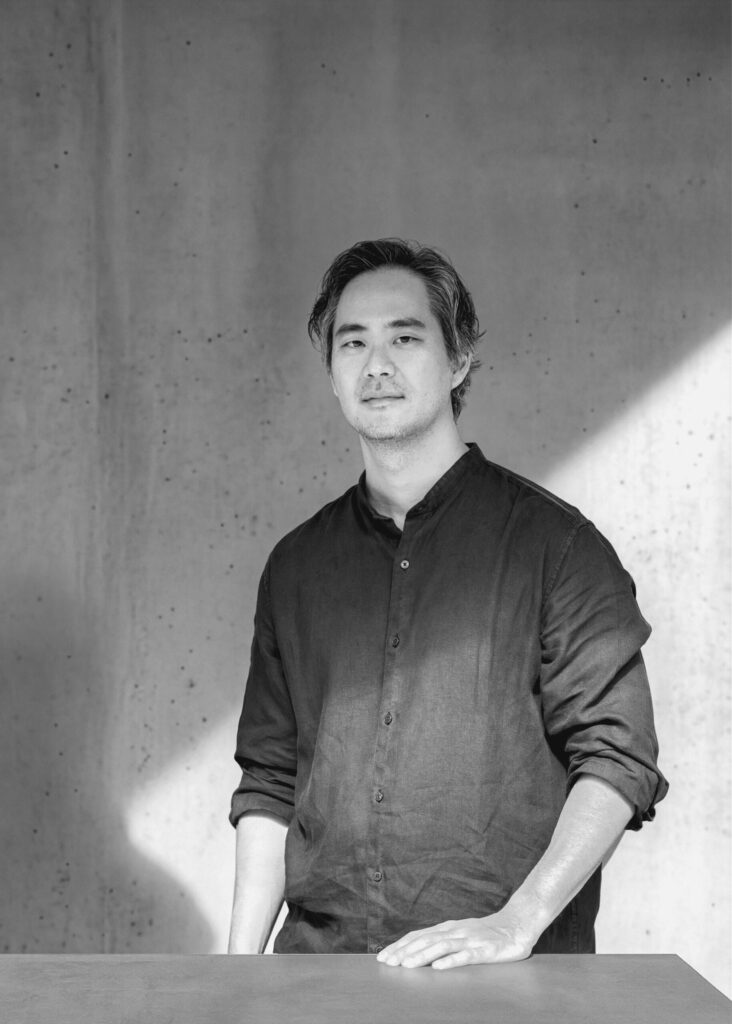
Rogerio Shinagawa
Rogerio Shinagawa is a Brazilian architect and founder of Shinagawa Arquitetura, a São Paulo–based studio specializing in contemporary residential architecture and interiors. After graduating in Architecture and Urbanism from PUC Campinas and completing part of his academic training at the Faculty of Architecture of the University of Porto, he established his own practice in 2015. His background, combined with an early exposure to architecture through his family home, shaped a design approach grounded in careful observation and sensitivity to the experience of living.
Each project is conceived as a response to its context and the people who inhabit it, balancing spatial clarity, natural light, and material expression to create environments that feel both timeless and deeply personal. Through a process that prioritizes dialogue over stylistic formulas, Shinagawa develops architecture distinguished by quiet sophistication, precision, and lasting functionality. His work has been featured in ArchDaily, Casa Vogue, and Casa e Jardim, and has received international recognition through the DNA Paris Design Awards, INT Interior Design Awards, LOOP Design Awards, and BLT Built Design Awards.