Philia
Magazine
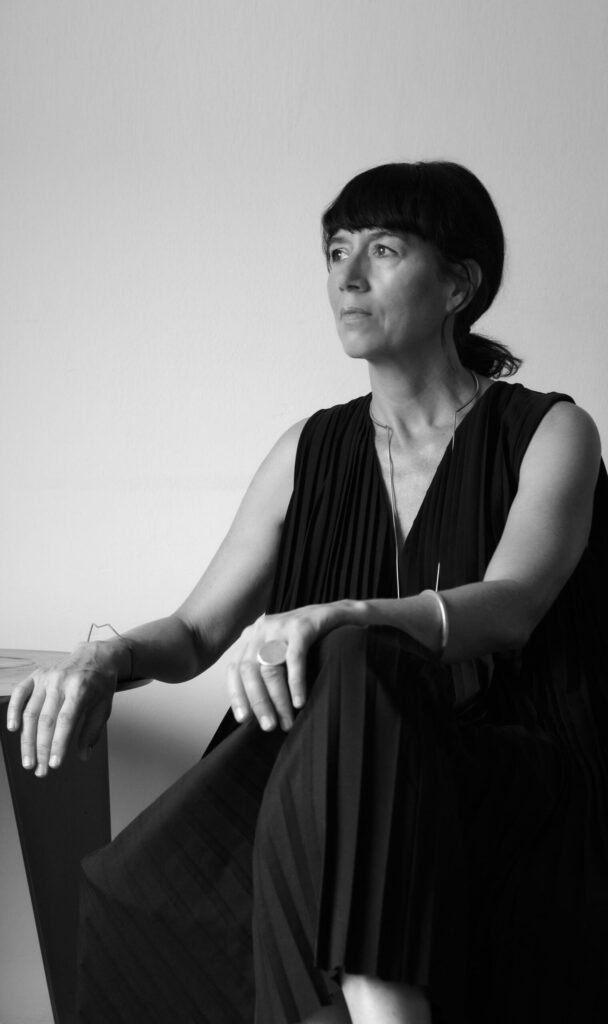
Bergendy Cooke
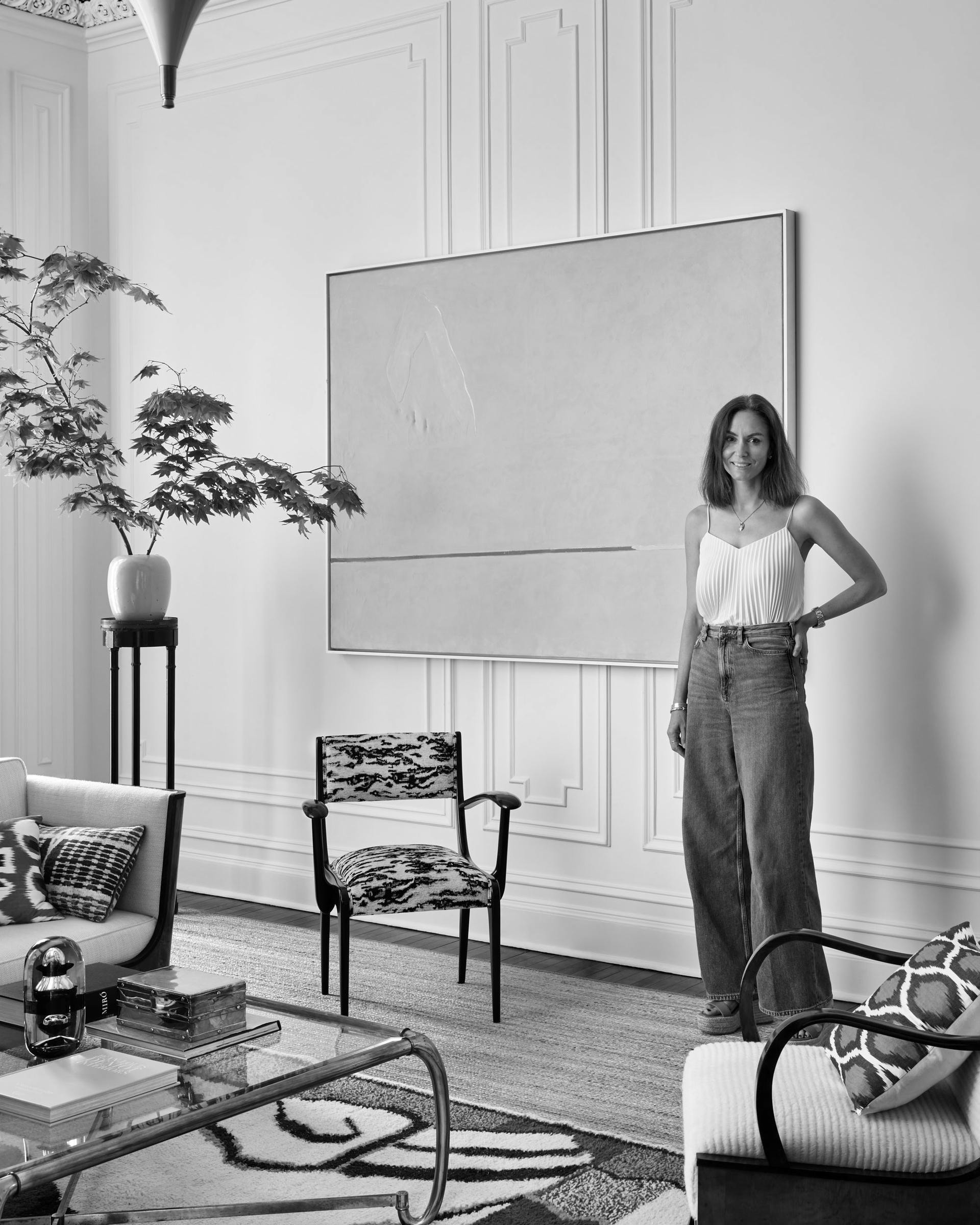
Bergendy Cooke is a New Zealand architect based in Barcelona, working internationally across residential, hospitality, and commercial projects. Born in Christchurch, she graduated with a Bachelor of Architecture with Honours from the University of Auckland in 1994. Her career has taken her from New Zealand to London and New York, where she worked with internationally renowned practices including Zaha Hadid Architects, Adjaye Associates, and Peter Marino Architects. In 2007, she established Studio Bergendy Cooke in New Zealand, developing projects across residential and hospitality architecture. Since returning to Barcelona in 2014, she has continued to work internationally, with projects spanning New Zealand, Europe, and Morocco.
Her work has received international recognition, particularly for Maison Brummell in Marrakech, which won Dezeen’s Hospitality Project of the Year in 2024 and Archello’s Hotel Building of the Year in 2023. The project also received an Architizer A+Award in the Hotels and Resorts category in 2024 and was nominated for the Aga Khan Award for Architecture in 2025. Her residential work has also been recognised with a HOME of the Year award in New Zealand in 2021. Cooke’s projects have appeared in numerous architectural publications, including Taschen’s Homes for Our Time 2 and Contemporary Morocco.
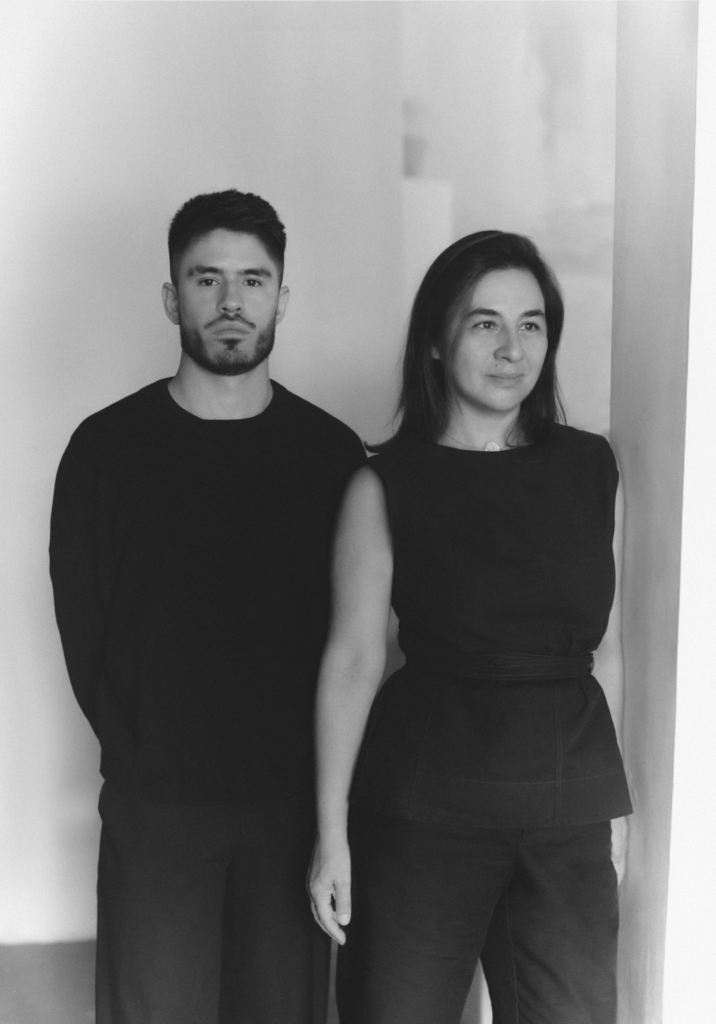
Bernal & Semerciyan
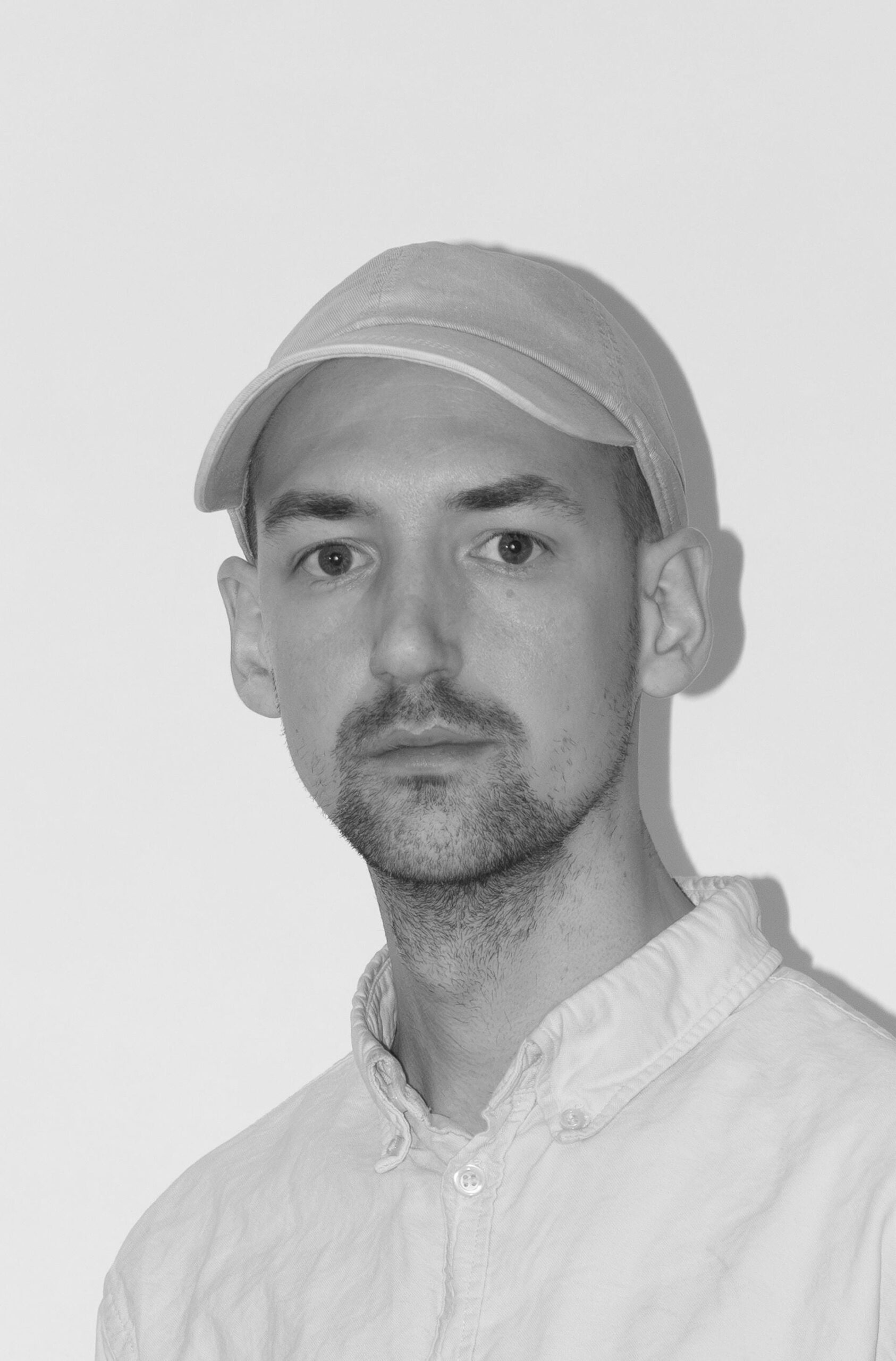
Bernal & Semerciyan is a collaborative practice founded by Graziella Semerciyan and Camillo Bernal, bringing together their complementary backgrounds in art, curation, interior architecture and design. Semerciyan’s experience spans the auction and gallery worlds, with a particular focus on decorative arts and design, while Bernal’s practice is rooted in interior architecture and a close engagement with craftsmanship and specialised workshops. Their collaboration grew from a shared interest in how objects are understood not only through their histories, but also through the spaces, materials and contexts that surround them.
Working across exhibitions, scenography, interiors, furniture and objects, the duo approaches curation and spatial design as part of a continuous process. Their projects bring historical and vernacular pieces into dialogue with contemporary design and craftsmanship, creating connections across periods, cultures and disciplines. Rather than following a fixed aesthetic language, Bernal & Semerciyan develops each project in response to its particular context, with an emphasis on research, materiality and the relationships between objects and space.
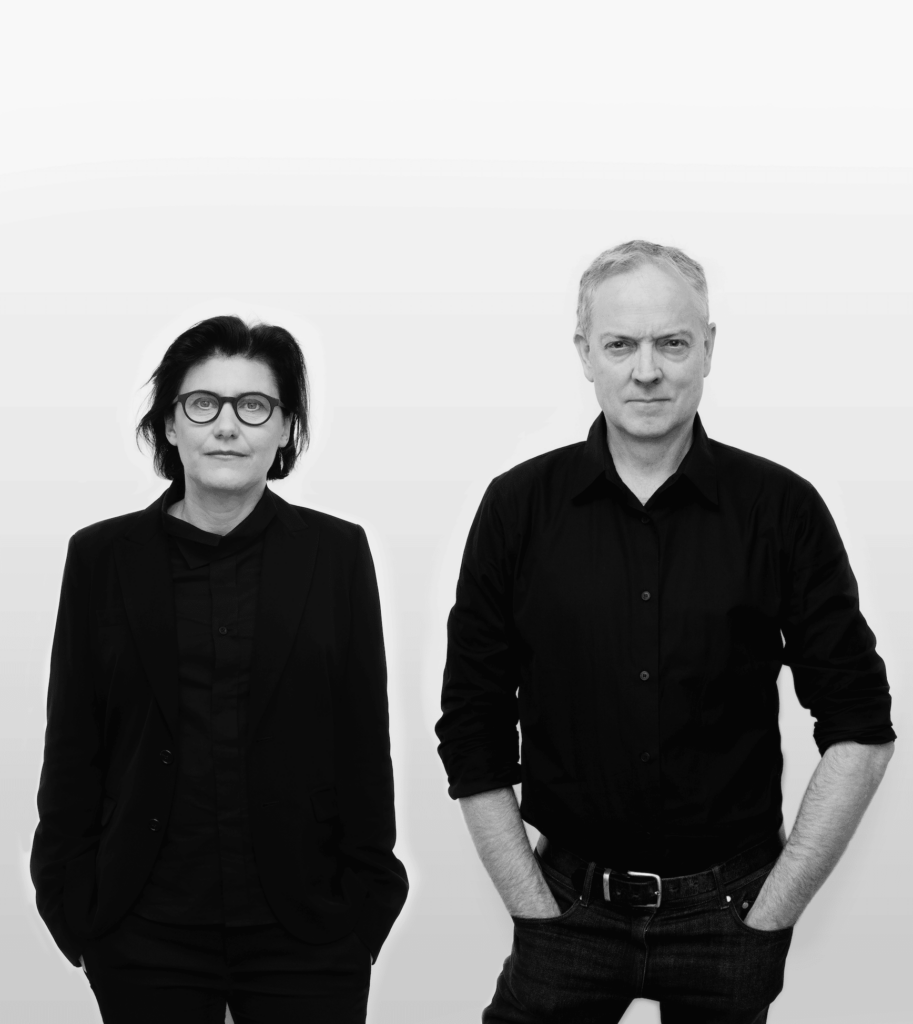
Brendan MacFarlane – Jakob+MacFarlane
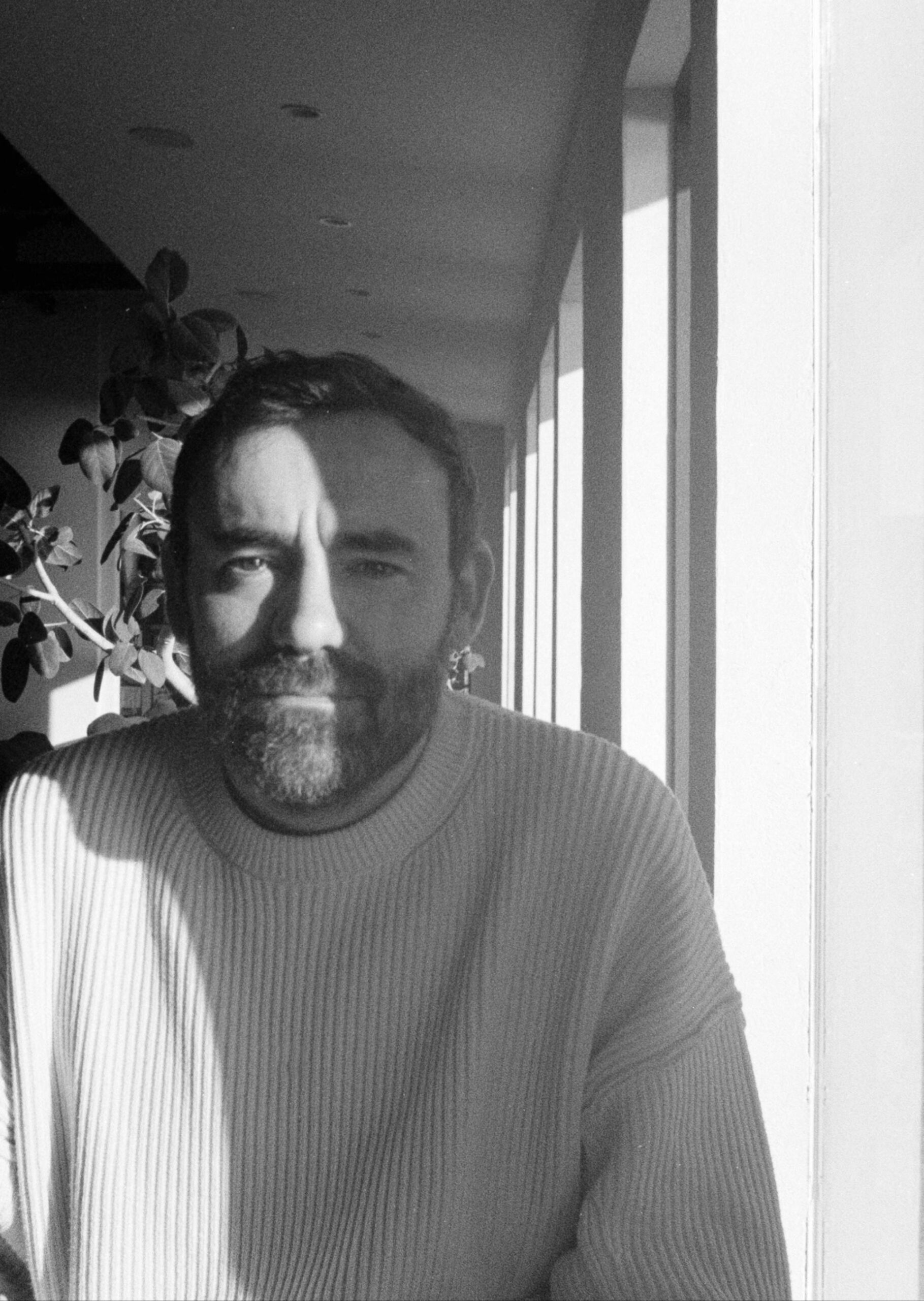
Brendan MacFarlane is a New Zealand-born architect and co-founder of the Paris-based architecture, urbanism, research and design practice Jakob+MacFarlane, established with Dominique Jakob in 1998. A graduate of SCI-Arc, he received his master’s degree from the Harvard Graduate School of Design.
Through Jakob+MacFarlane, MacFarlane has developed an experimental and socially engaged approach to architecture, responding to contemporary environmental, cultural and urban challenges. Key projects include the Frac Centre-Val de Loire, the Orange Cube, the Docks – Cité de la Mode et du Design and Restaurant Georges at the Centre Pompidou. In 2025, the practice represented France at the Venice Biennale of Architecture, in association with Eric Daniel-Lacombe and Martin Duplantier, with Living With, exploring adaptation to climate and geopolitical crises.
Tala Fustok
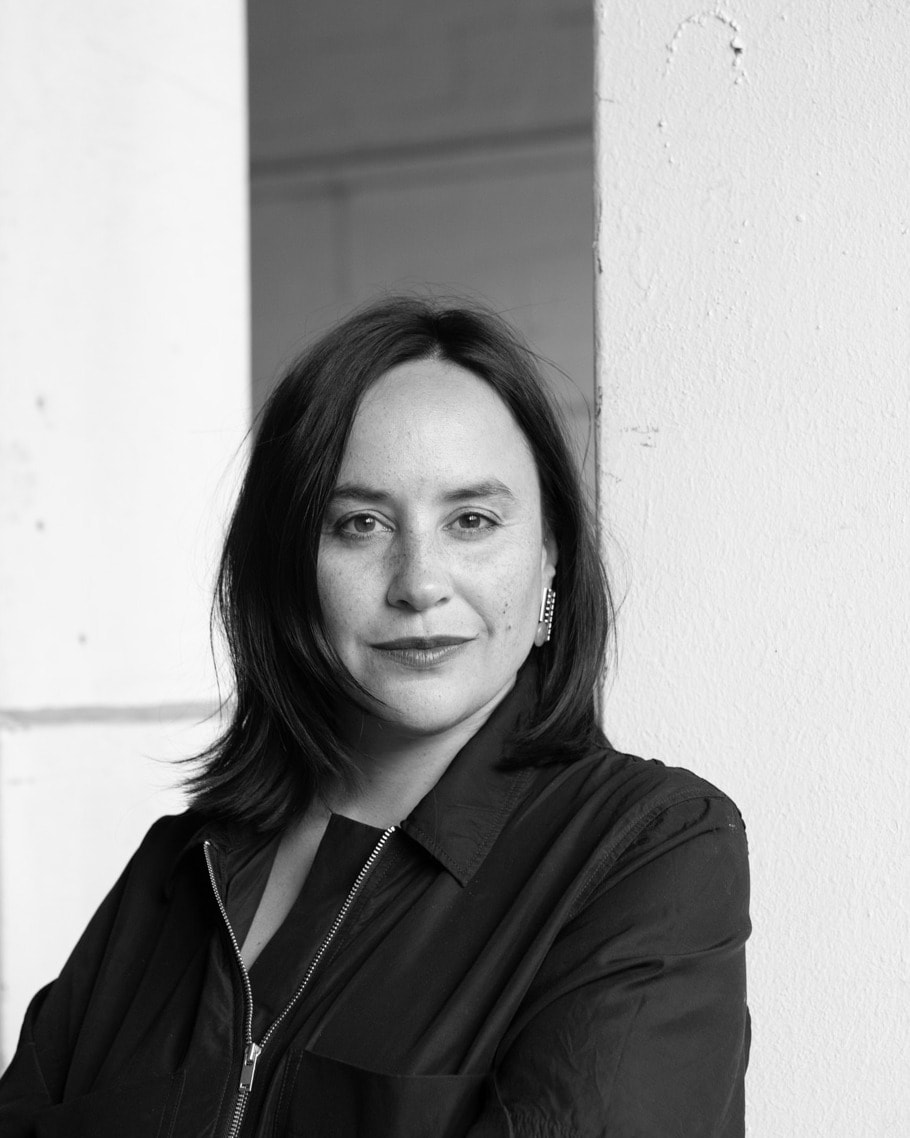
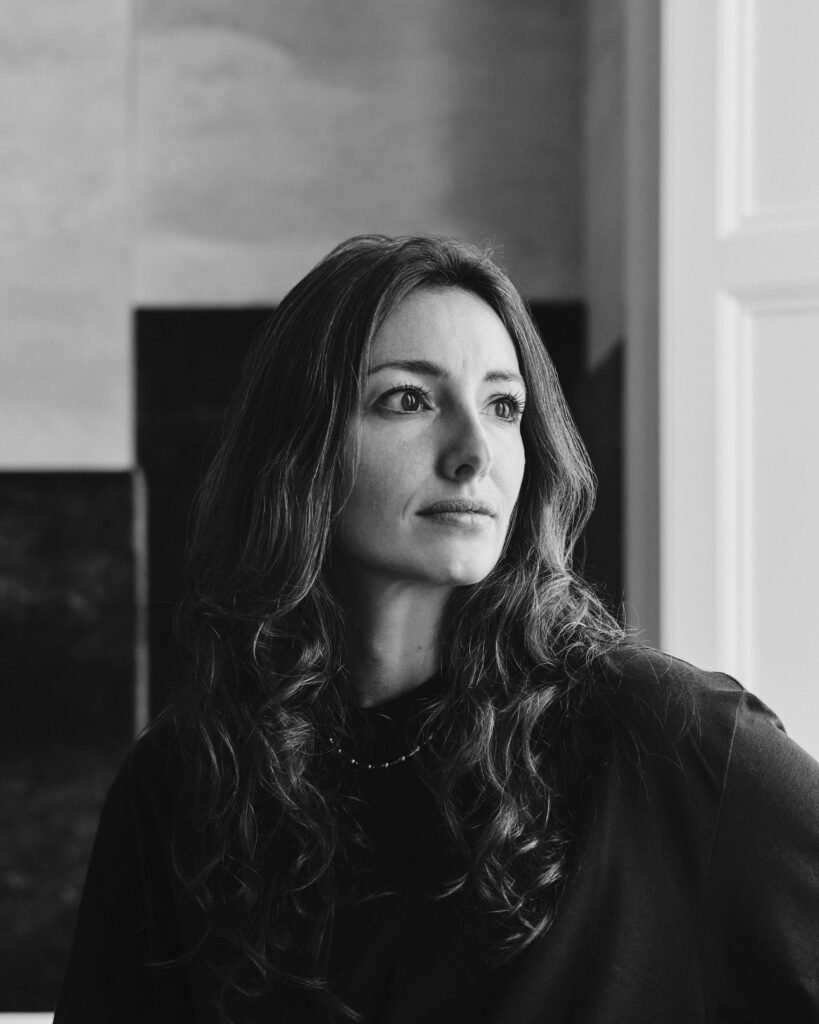
Tala Fustok is an English-Palestinian interior designer and founder of London-based Tala Fustok Studio. Drawing on her multicultural heritage and architectural training at London’s Architectural Association, her work combines diverse influences with an intuitive approach. After working in Paris on projects including Hôtel de Crillon, she returned to London, where she designed the award-winning Mandrake Hotel before establishing her own practice. Her studio was named to the AD100 in 2025.
Through Tala Fustok Studio, she creates immersive residential, hospitality and commercial interiors shaped by art, collectible design, materiality and architecture. Her projects span residences and hospitality spaces internationally, including Laylow in Notting Hill and projects for The Mandrake. Characterised by raw and refined materials, experimental colour and unexpected details, her interiors balance atmosphere, comfort and function. In 2026, Fustok is expanding into furniture and lighting with her first collection, developed with artisans in the UK and southern Italy.
David Trubridge
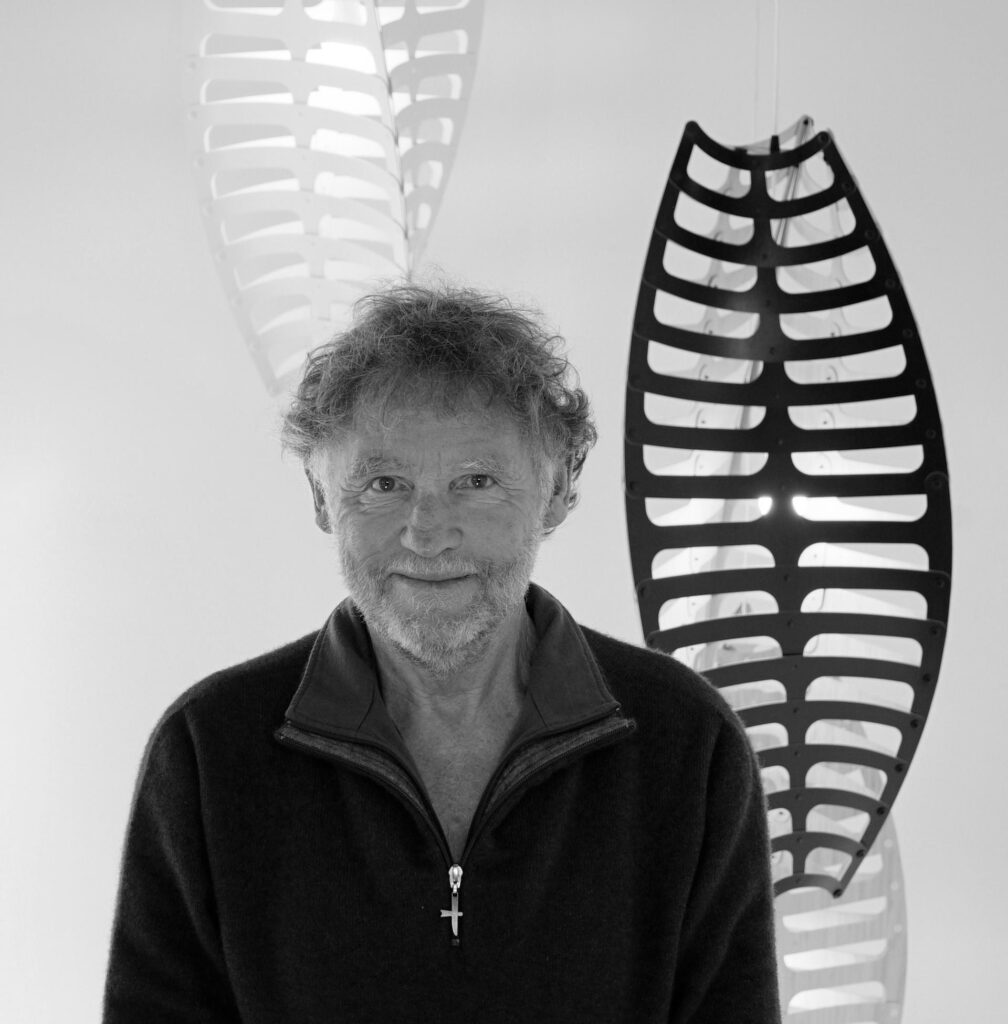
David Trubridge is a New Zealand-based designer known for his work across lighting, furniture and sculptural installations. Originally trained as a naval architect at Newcastle University in Britain, he later established himself as a designer and maker after a five-year sailing journey with his family that brought him to New Zealand. His practice combines craftsmanship, sculptural exploration and contemporary design technology, deeply informed by nature.
Trubridge’s work has gained international recognition, with pieces held in major collections including the Centre Pompidou in Paris and the Victoria and Albert Museum in London. Among his notable works are Body Raft, produced by Cappellini, and the Icarus installation, acquired by the Centre Pompidou. In 2019, he was appointed an Officer of the New Zealand Order of Merit for his services to design.
Matteo Ferrari
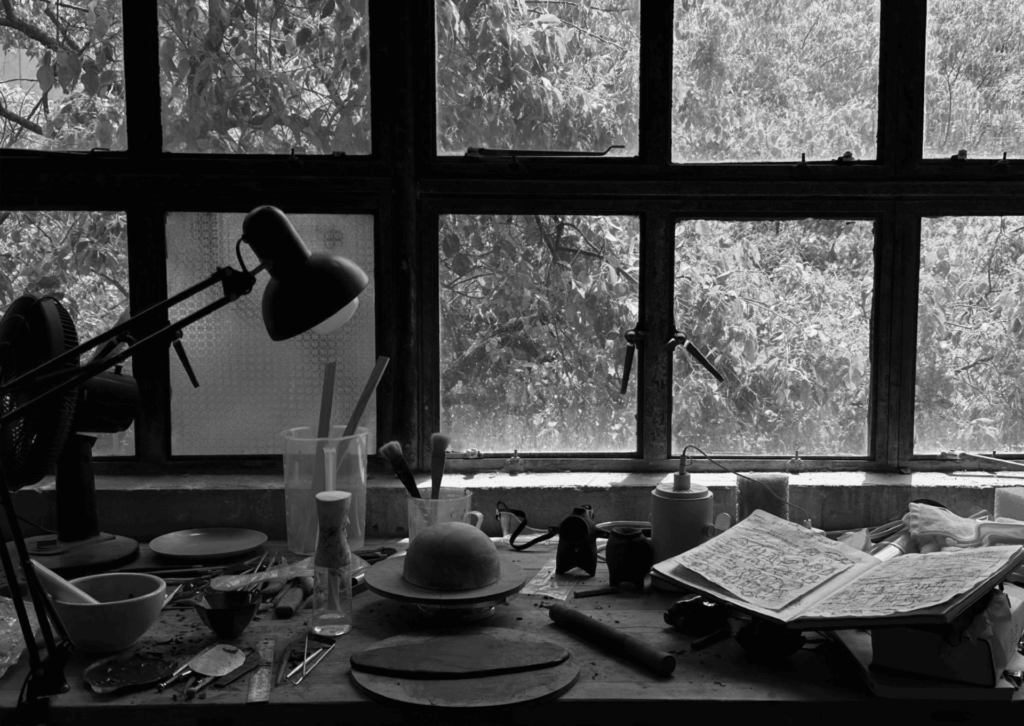
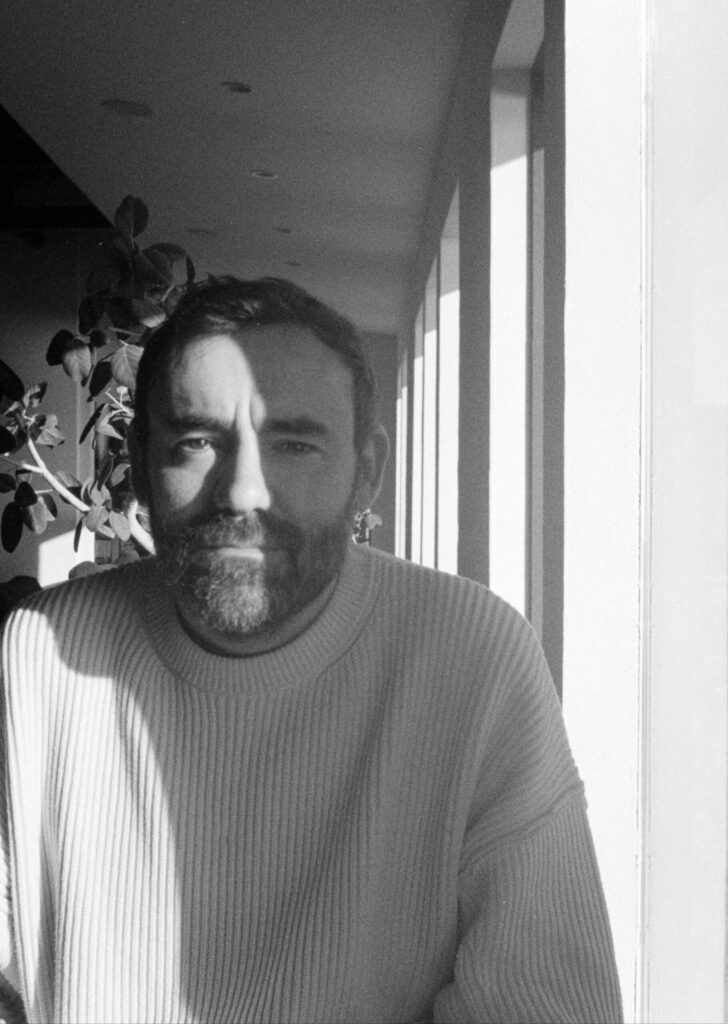
Matteo Ferrari is an Italian architect based in Madrid and founder of Matteo Ferrari Studio. Since establishing the practice in 2015, he has worked internationally across retail, hospitality and residential projects, collaborating with both global brands and independent clients. His experience across different contexts and scales has shaped an approach grounded in sensitivity to place, material and the particular requirements of each project.
His work is defined by a continuous dialogue between international perspectives and local craftsmanship, rather than by a fixed or recognisable aesthetic. For Ferrari, architecture begins with an attentive reading of its context and brief, allowing each project to develop its own identity in response to its surroundings, purpose and circumstances.